Who doesn’t love a good fire? Not a housefire, but a bonfire, cookfire, and campfire? There’s no easier way or ignition source than a lighter—except, of course, for a flamethrower. But how did we get from primitive sparks to the reliable gadgets we carry today?

It Started With a Spark
The modern lighter didn’t appear overnight. It emerged from the age of flintlock guns, where sparks met powder with stubborn charm. Those early ignition systems inspired the first “strike lighters” in the 1820s. They were bulky and finicky—gadgets Q might hand Bond before a mission. Brass tubes hid crude flints. Spring-loaded parts snapped with unpredictable enthusiasm. Patience and steady hands were required, and a backup plan never hurt. Despite their quirks, they delivered portable fire on command. As metallurgy improved, these odd contraptions became dependable tools. By the early 20th century, lighters moved from novelty shelves to pockets worldwide. Soldiers carried them into trenches. Explorers trusted them in remote corners. Every day, people used them for pipes, candles, and small daily rituals. The lighter became a symbol of readiness and mechanical confidence. One spark changed how humans carried fire.
Advertisement — Continue Reading Below
The Bic Lighter
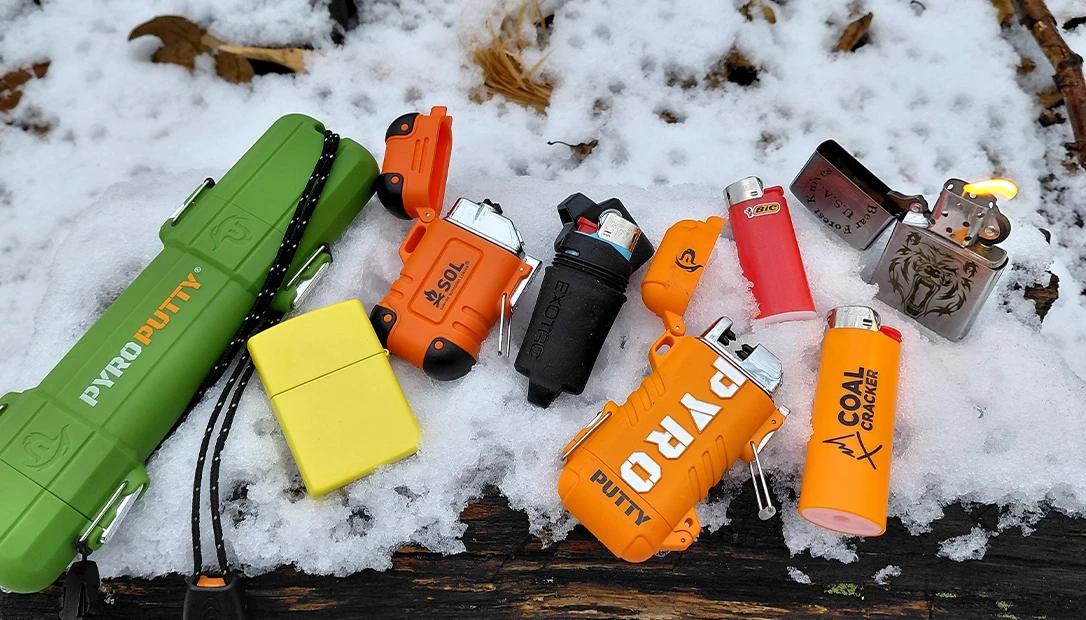
The Bic lighter arrived in 1973. Marcel Bich wanted everyone to have a reliable flame without needing a lesson in mechanics. His team engineered a disposable lighter that worked in cold, wet, and tired hands. It used precision parts for consistent fuel flow and a spark wheel that fired every time. Bic didn’t invent the lighter, but it perfected mass-produced reliability. The design felt simple, but every component served a purpose. No leaks. No drama. No mystery. Just a flame that worked when you needed it. The world noticed. Billions followed. The Bic became the default lighter for campers, smokers, mechanics, and anyone who needed quick fire without fuss. Sometimes, the best tool is the one that never tries to impress you.
Bic Mods and Hacks
People mod Bic lighters the way tinkerers mod old trucks. They can’t resist squeezing more performance from a simple design. Some remove the child-safety band for smoother wheel action. Others stretch the metal shroud to coax a taller flame. Camp hacks get creative. Rubber bands wrap around the body to hold tinder. Duct tape becomes an emergency repair kit. Ranger bands add grip when rain turns everything slick. Some users stash a sewing needle under the sticker for field repairs. None of these tweaks changes the Bic’s core identity. They just push a humble tool a little harder. It’s the same flame, but with a bit more attitude.
Advertisement — Continue Reading Below
Hollywood Frankenstein: The ZIPPO Legend
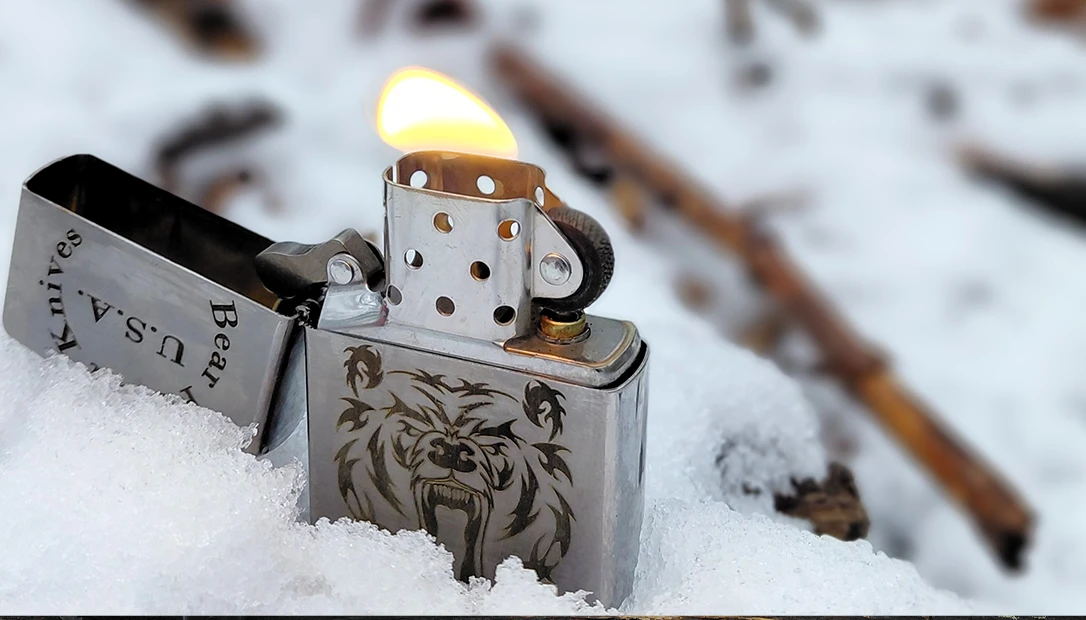
The Zippo lighter arrived in 1933, carrying instant swagger. Its windproof chimney, metal case, and signature “clack” gave it personality. Hollywood loved that sound. Directors used it to build tension in war films, noir thrillers, and action blockbusters. One flick of the lid could signal danger, rebellion, or cool confidence. Soldiers carried Zippo through World War II, and the brand rode that loyalty into global fame. The lighter became a symbol of grit, ritual, and American craftsmanship. But time changed habits. Disposable lighters stole market share. Smoking declined. Sales dipped. The world moved on. Yet the Zippo refused to fade. It survived as a cultural artifact, a mechanical heirloom, and a pocket-sized piece of Americana. Even today, that metal “clack” still turns heads. It’s a relic, sure, but a proud one.
Zippo lighters have flashed across the screen in more than 2,000 films, and some of the most memorable moments come from older classics. The Godfather (1972) uses a Zippo in a quiet but tense moment, its spark cutting through the scene like a warning. Die Hard (1988) features John McClane crawling through ducts, using a Zippo to light his way, turning a simple flame into a survival tool. Indiana Jones and the Last Crusade (1989) plays it for laughs when Indy fumbles with a Zippo while trying to ignite spilled fuel. Even noir-era icons like Humphrey Bogart and James Dean helped cement Zippo’s mystique, using that signature “clack” to build mood and attitude in films like Casablanca and Rebel Without a Cause. Hollywood didn’t just use the Zippo as a prop—it used it as punctuation. A spark. A sound. A signal that something was about to happen.
Plasma Lighters
Plasma lighters look like something a sci-fi hero would pull from a utility belt. They use electric arcs instead of flame and charge by USB. They work in wind, rain, and thin air. Plasma lighters solve problems old-school lighters never addressed, but they bring their own quirks. They need power, hate cold, and quit when the battery dies. They also lack the warmth and utility of a real flame. You can’t melt cordage or light natural tinder with a tiny electric arc. Plasma lighters shine in cities, cars, and controlled environments. They feel modern and clean. In the field, traditional lighters still win. Fire is more than ignition; it’s heat, a signal, and survival. New tech helps, but old fire still earns its place.
Advertisement — Continue Reading Below
Lighters According to the Author
In my backpacking, camping, survival training, and teaching experience, I always carried a lighter and never used it. I’ve been a die-hard Ferro rod user and encourage people to do the same. It keeps those skills sharp when everything else fails.
Bic lighters are fickle. Moisture renders them useless for a while, but some come back after drying out and warming up. In cold weather and at high altitudes, the Bic is fickle again. I had two Bic lighters fall into the snow. I quickly retrieved, shook, and brushed them off. When I tried to use them, nothing happened. Back home, in a warm, dry place, they both worked fine.
Plasma lighters are all waterproof when the lid is engaged. Some overheat, and if I haven’t ignited the material, the surface area near the arc heats up and burns my finger. Although plasma lighters are plastic, they’re supposed to be space-age plastic. However, there have been cases of them cracking. But not mine.
Advertisement — Continue Reading Below
Strangely, the older Zippo is similar to the new-age plasma lighters. The fuel and battery don’t last too long.
Traditional vs. Plasma: Pros and Cons

Advertisement — Continue Reading Below
Traditional Lighters
Pros:
● Create a real flame for survival tasks
● Work with natural tinder
Advertisement — Continue Reading Below
● Cheap and field-repairable
● No charging required
Cons:
● Wind and weather affect performance
● Fuel can leak or evaporate
● Moving parts wear out

Plasma Lighters
Pros:
● Windproof electric arc
● Rechargeable and clean
● No fuel evaporation
● Works well for cigars, candles, and EDC
Cons:
● Useless when the battery dies
● Limited cold-weather performance
● Arc can’t ignite some natural tinder
Bic
Pros:
● Cheap and reliable
● No maintenance
● Consistent flame height
● Lightweight and disposable
Cons:
● Not windproof
● Limited lifespan
● The plastic body can crack
Zippo
Pros:
● Wind-resistant design
● Durable metal case
● Iconic sound and style
● Refillable and long-lasting
Cons:
● Fuel evaporates fast
● Needs wick and flint upkeep
● Heavier than a Bic