Although you can do almost any job with almost any knife (within reason), there are specific profiles that are designed to make certain jobs easier. Some knife profiles are specific to a region or heritage, while others are specific to the function they serve. By understanding the different profiles and their purpose, you can ensure that you pick the right knife for the job.
Knife Profiles
Bowie / Clip Point
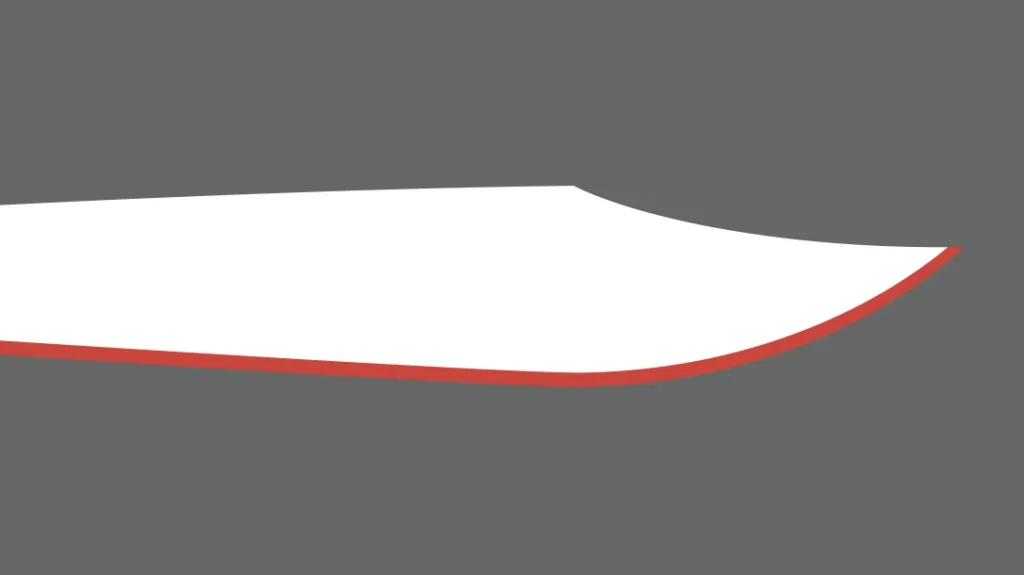
The Clip Point is instantly recognizable by the “clipped” section of the spine, which can range from straight to deeply concave. That clipped area provides a more aggressive and focused tip, giving you better point control and enhanced penetration. Swedges or false edges are common on clip points. I group this with the Bowie because the Clip Point is one of the defining elements that make the Bowie instantly recognizable.
Advertisement — Continue Reading Below
Drop Point
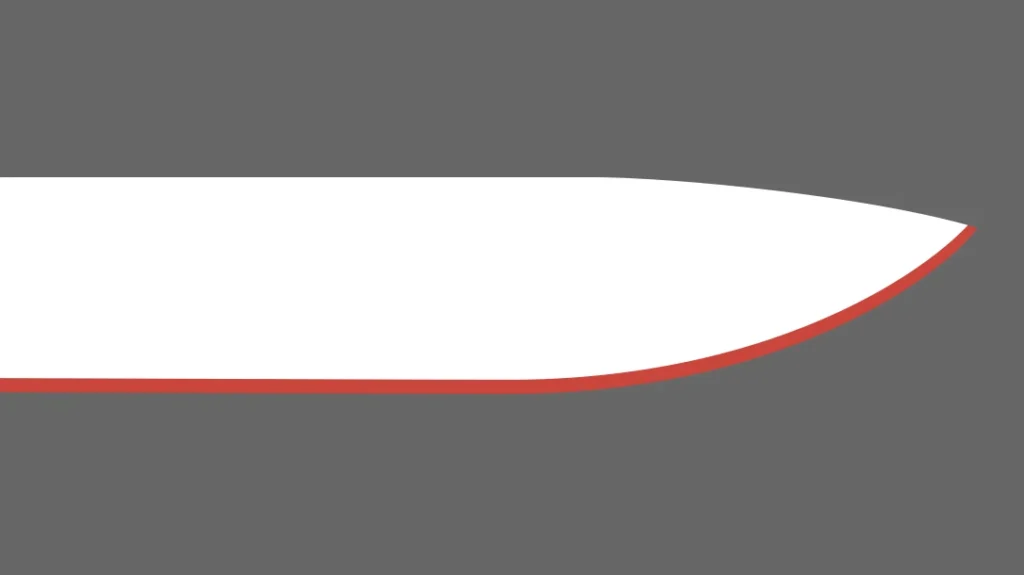
Where the Clip Point removes material, the Drop Point has a convex arc that lowers at the tip, reinforcing it. The result is excellent tip strength paired with an often-generous belly. Like the Clip Point, it is common for a Drop Point to have a swedge or false edge. However, the Drop Point favors durability and control.
Hawkbill
Advertisement — Continue Reading Below
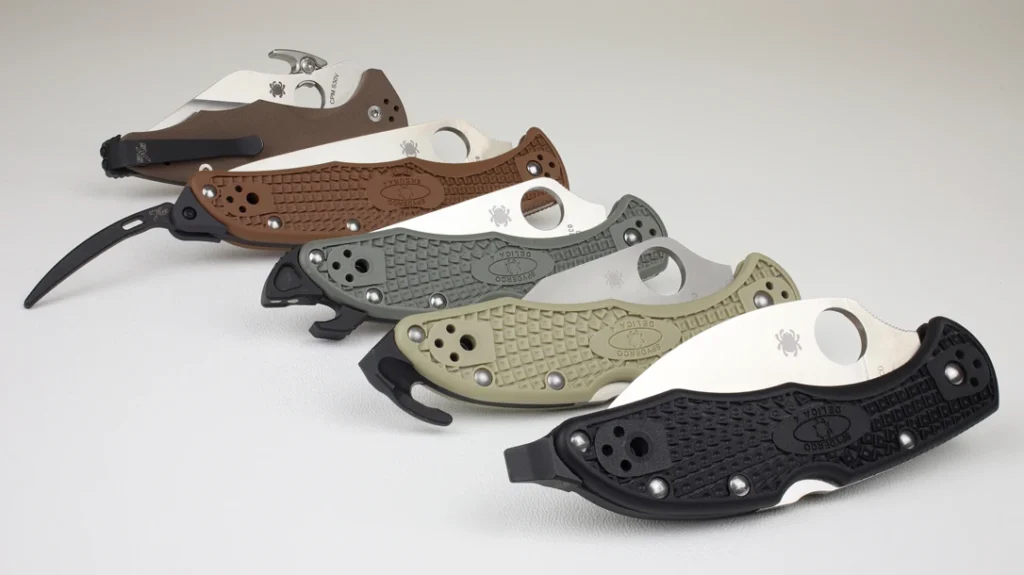
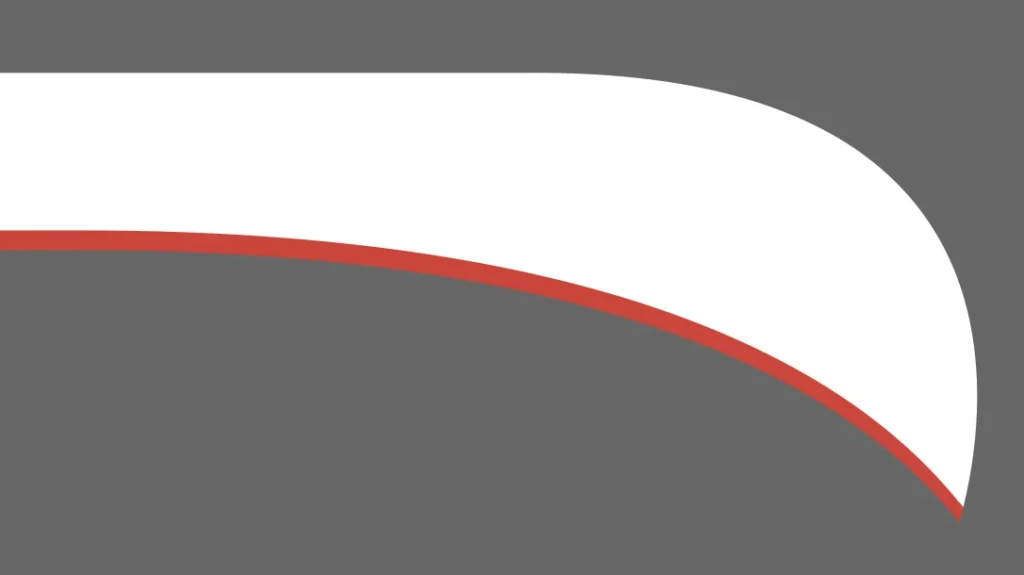
Often mistaken for a Karambit, the Hawkbill curves sharply downward near the tip, mimicking the beak of a bird of prey. This shape excels at pull cuts, which is why you often see it in trade and utility knives. Specifically, carpet layers, rope work, and marine environments all benefit from this hooked geometry.
Karambit
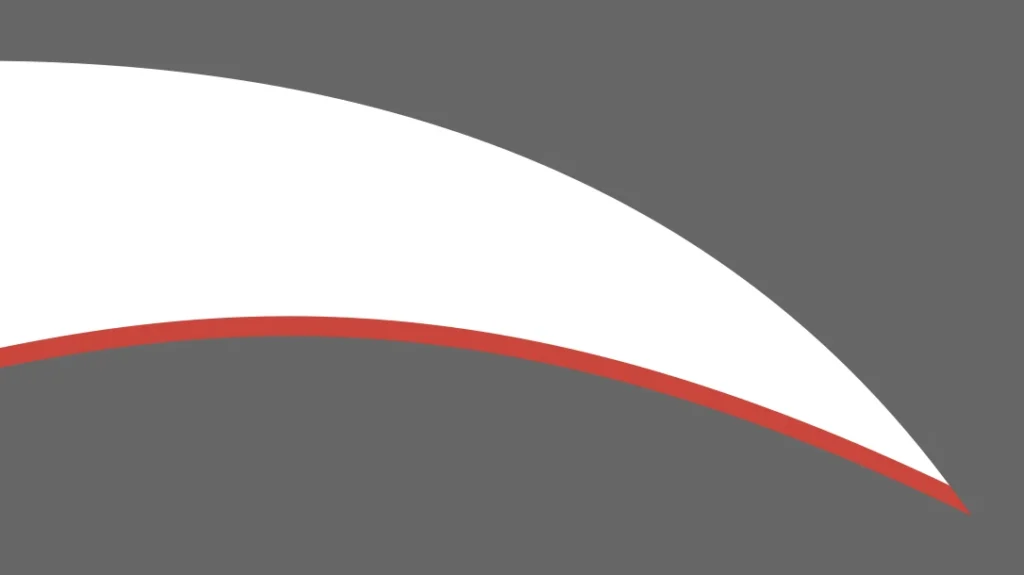
The Karambit shares the hooked profile of the Hawkbill, but the curve is gradual along the entire blade rather than abrupt at the tip. The blade resembles a talon, which is intentional. This design is purpose-built for close-range defense, where its sweeping arc delivers deep, slashing cuts with minimal effort.
Advertisement — Continue Reading Below
Kephart
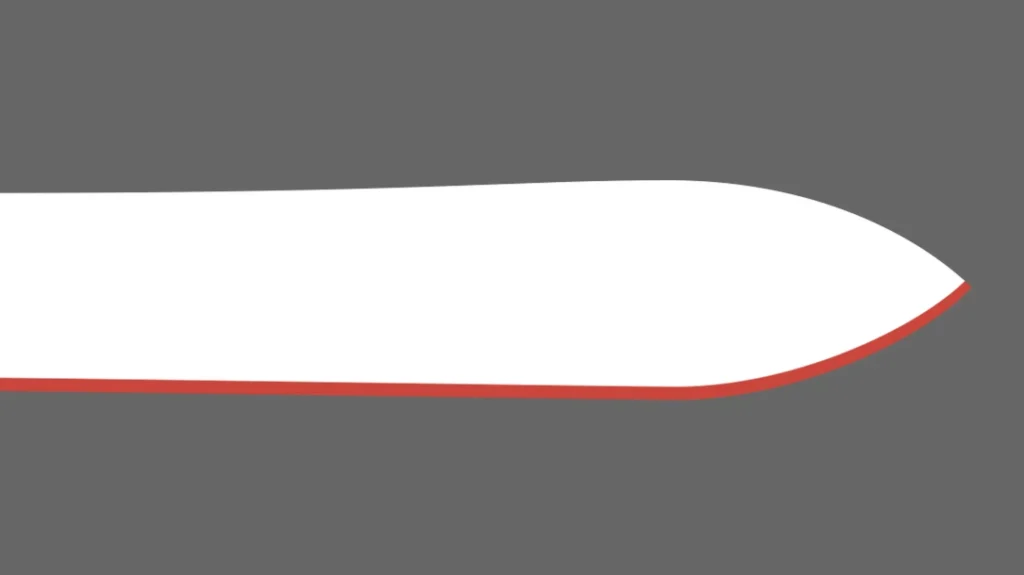
Designed by Horace Kephart, one of the early published authorities on American wilderness living, the Kephart is a masterclass in practical design. It’s essentially a spear point that widens slightly at the tip, striking a balance between sharpness and usability. Kephart himself noted the importance of a tip that wasn’t “too sharply pointed to cook and eat with.”
Kukri/Khukuri
Advertisement — Continue Reading Below
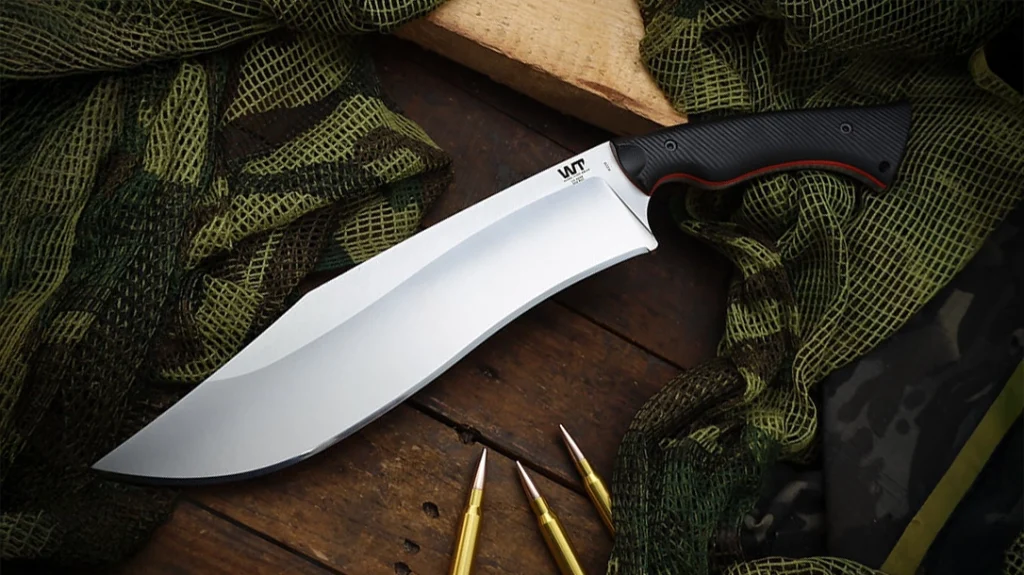
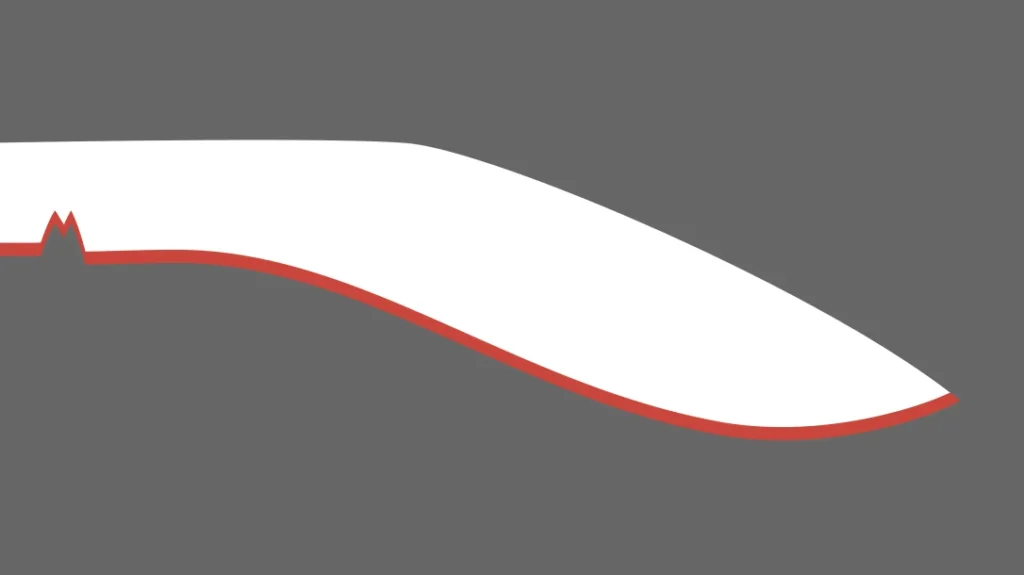
Developed as the primary utility and fighting blade of the Gurkhas, the Kukri is all business. Its dramatic spine drop and pronounced recurve concentrate weight forward, turning it into a devastating chopper. Whether clearing heavy brush or delivering a decisive strike, the Kukri’s geometry makes it easy work.
Machete
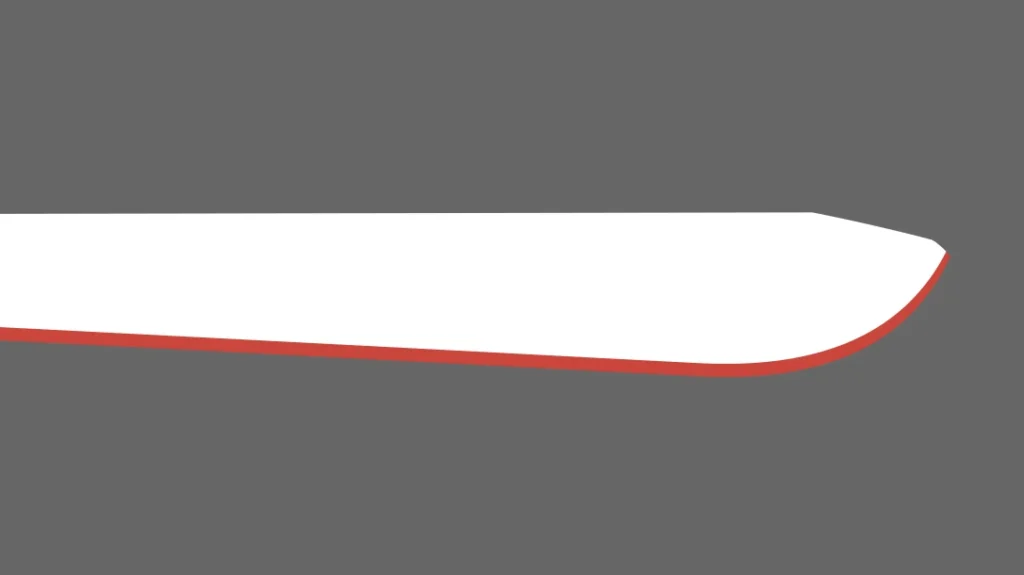
Purpose-built for dense vegetation, the Machete thrives where heavier choppers fail. Its long, narrow profile and thinner blade stock allow it to glide through foliage with a flick of the wrist. While often thought of purely as a tool, the machete has also earned a reputation as a formidable weapon in many parts of the world.
Advertisement — Continue Reading Below
Nessmuk
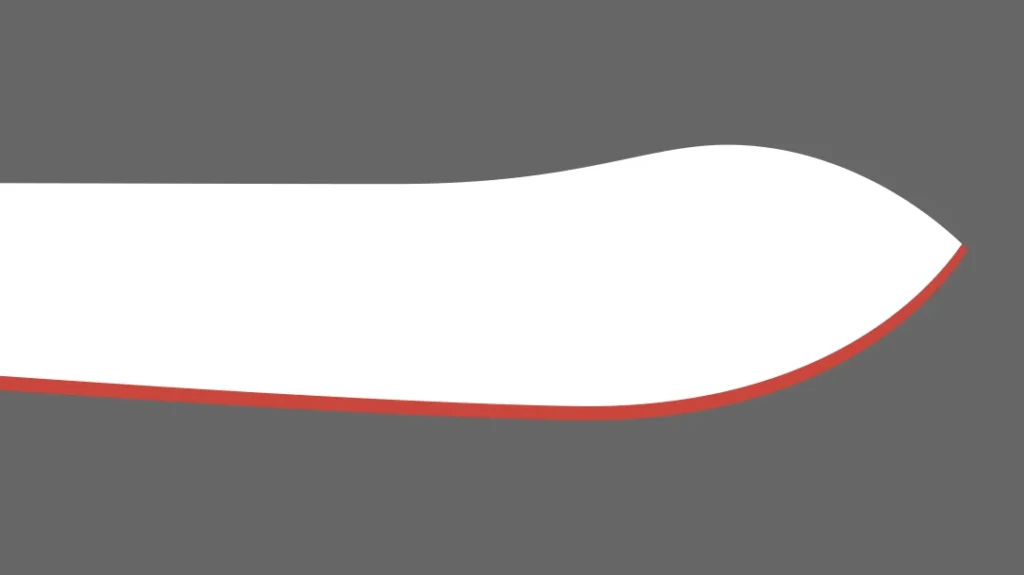
Named after outdoor writer George Washington Sears (better known as “Nessmuk”), this blade features a distinctive rise in the spine near the tip. That rise reinforces the point while reducing how aggressively it penetrates, making it ideal for tasks like skinning. The deeper belly created by this design also makes the Nessmuk an exceptional slicer and bushcraft companion.
Parang
Advertisement — Continue Reading Below
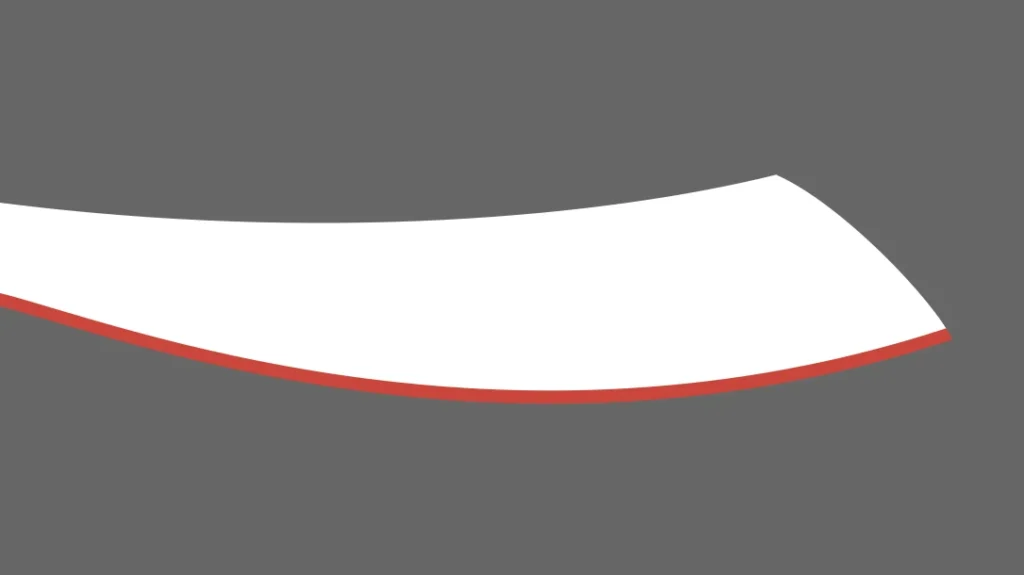
Originating in Southeast Asia, the Parang fills a similar role to the machete but with added strength. The blade is thicker and more robust, better suited to tougher, woodier vegetation. Its upswept profile and dropped tip—often a clip or drop point—set it apart visually and functionally from the straighter machete designs.
Puukko
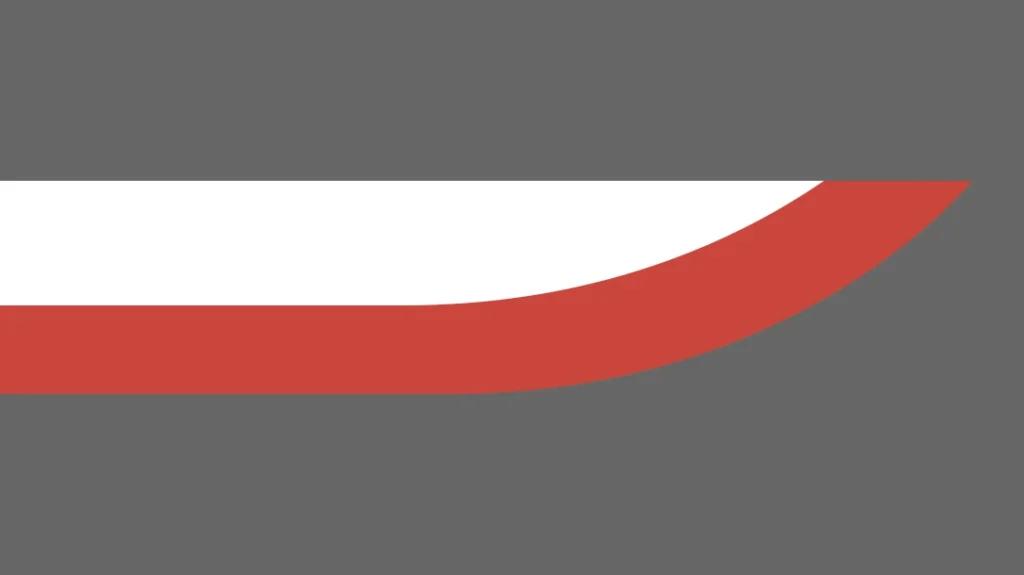
The Puukko is Scandinavian minimalism at its finest. It features a straight spine and a grind with no secondary (edge) bevel. The primary bevel is the edge bevel. Called a Scandi grind, it runs from the edge up toward the middle of the blade, providing a very keen edge. The Puukko is popular in the bushcraft community for its excellence in fieldcraft.
Advertisement — Continue Reading Below
Recurve
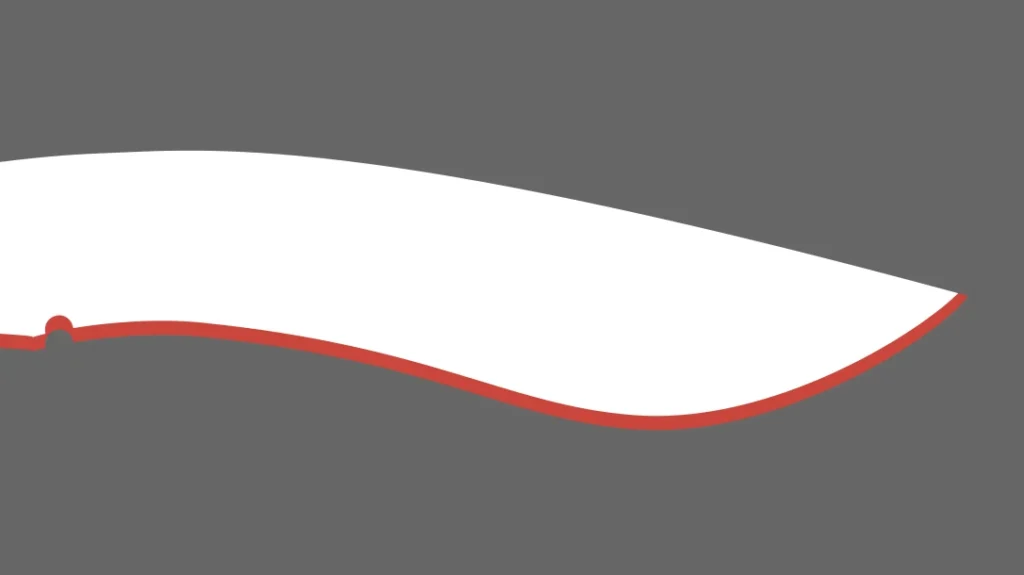
Calling a blade a “Recurve” is technically inaccurate, since recurve refers to the edge shape rather than the overall blade type. A recurve edge forms a subtle S-shape, enhancing slicing and chopping performance. These blades shine during draw cuts, as the deep belly bites aggressively into the material. On larger knives, that same belly adds weight to the sweet spot for chopping.
Sheepsfoot

Advertisement — Continue Reading Below
The Sheepsfoot looks exactly as its name suggests. The spine runs straight before dropping sharply to meet the edge at the tip, eliminating any sharp point. Traditionally, the edge stays straight throughout, though some modern variants add a slight curve. This profile is ideal for utility work and controlled cuts, where safety and tip pressure matter.
Spear Point
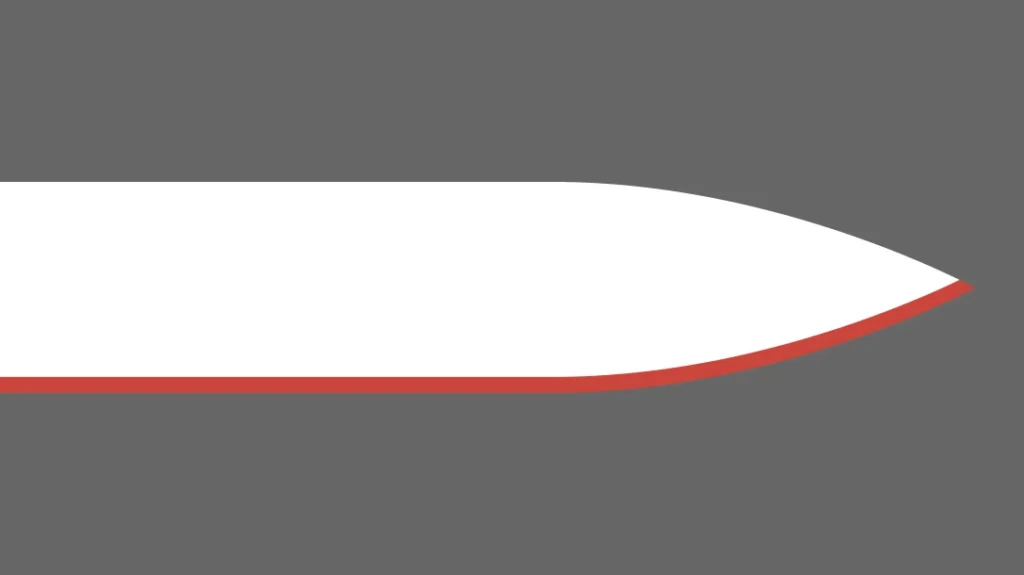
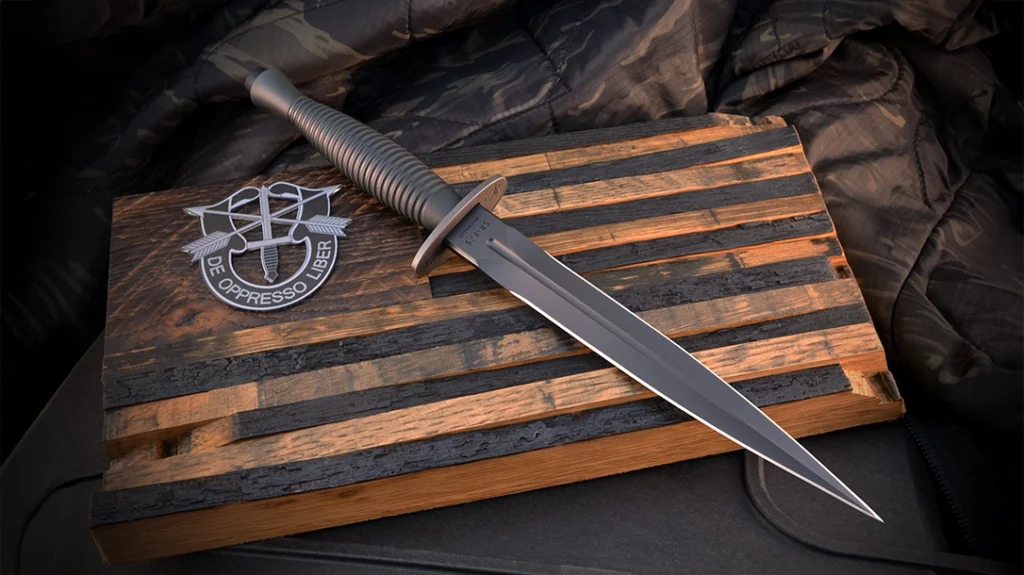
Perfectly symmetrical, the Spear Point carries both spine and edge straight until they arc together at the tip’s centerline. Most modern examples are single-edged with an unsharpened spine, often accented by a swedge. If the spine is also sharpened, it becomes a dagger and will be subject to local and state law.
Spey Point
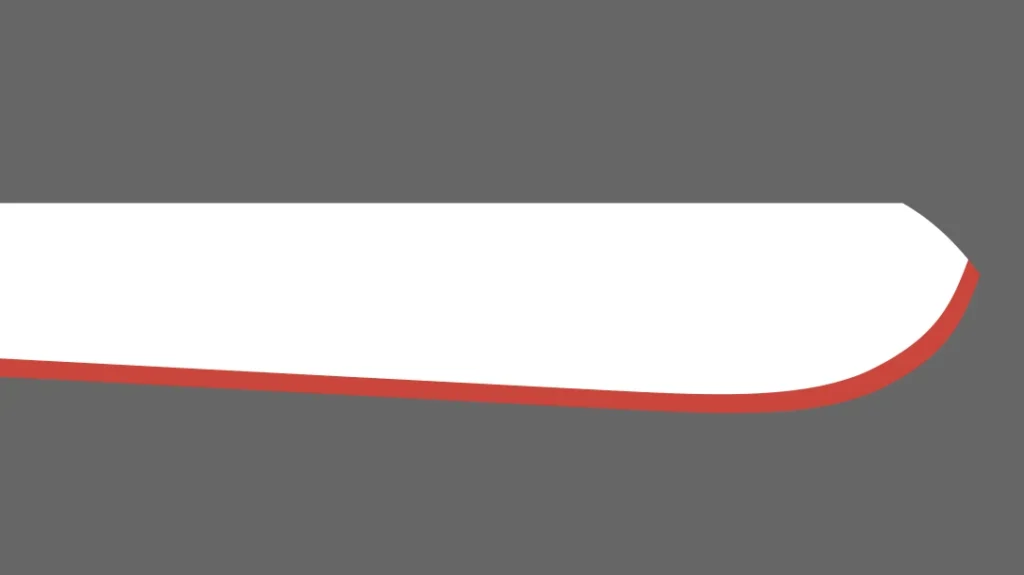
Common on traditional slip joint folders like stockman and trapper knives, the Spey Point has a unique, classic look. The edge runs a very gradual drop toward the tip, where it quickly sweeps upward to meet the spine, which takes a very obtuse drop to make a clip point. The point sits just above the blade’s midpoint.
Tanto
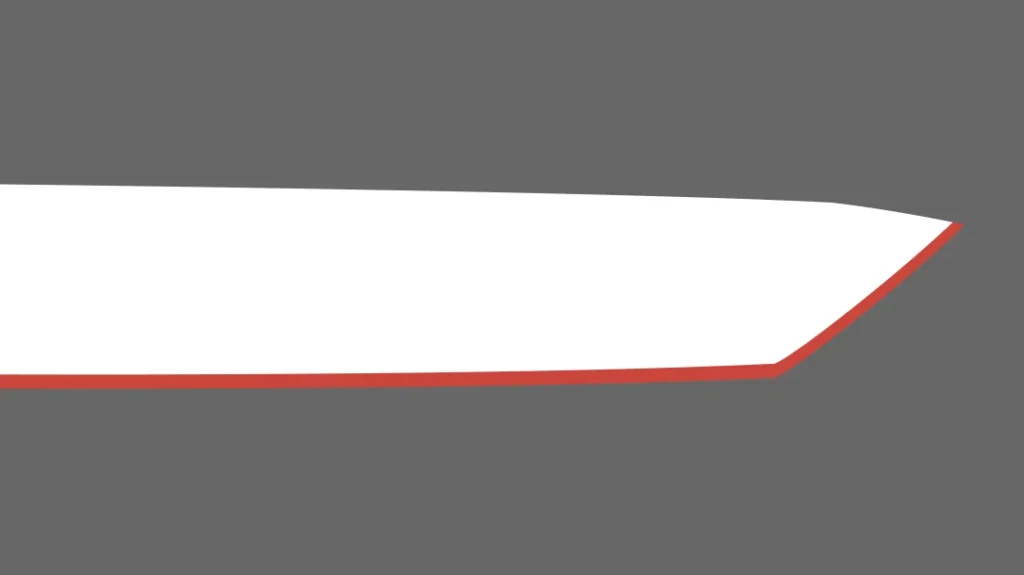
When most people say “Tanto,” they’re talking about the American Tanto. While the original Japanese Tanto was a short blade carried alongside the Katana and Wakizashi of the Samurai, the modern interpretation focuses on tip strength. A sharply angled secondary edge rises to meet the spine, forming a reinforced point that excels at piercing hard materials.
Texas Toothpick
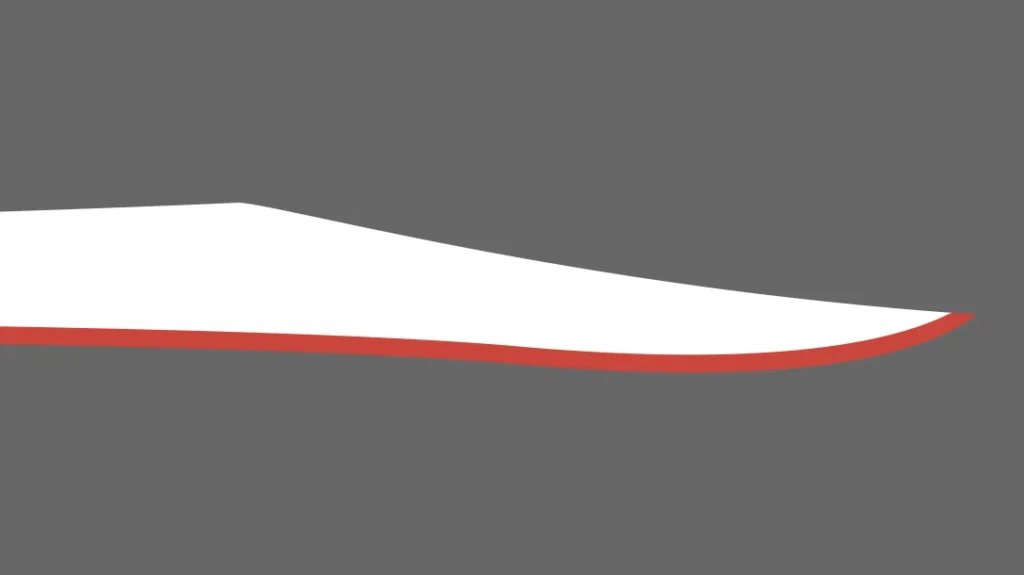
A classic among slip joint folders, the Texas Toothpick is long, slender, and exudes southwestern tradition. Its extended clip point usually runs about two-thirds of the blade length, giving it a refined, almost elegant appearance. This pattern predates 1940 and remains instantly recognizable.
Trailing Point
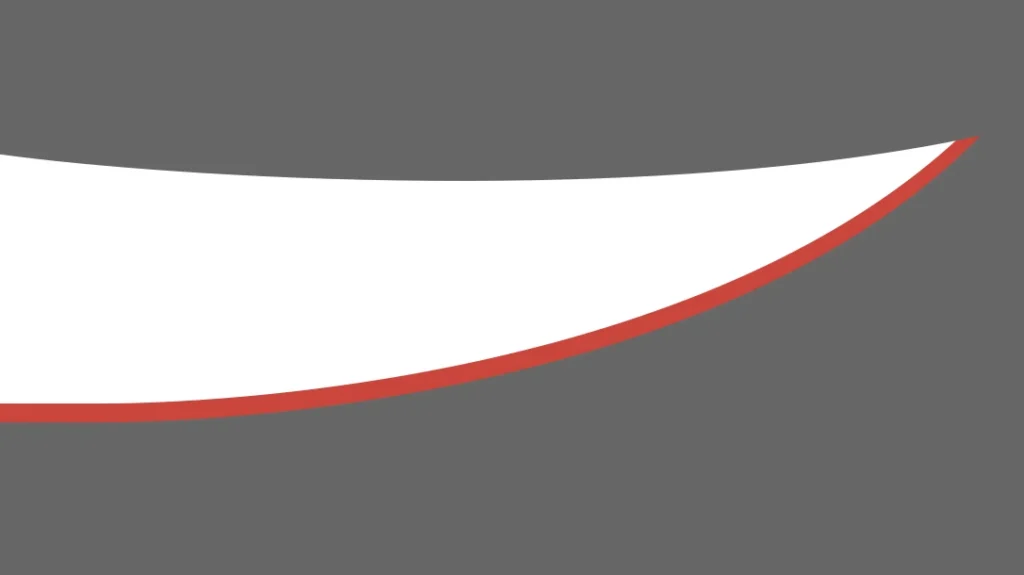
Think of the Trailing Point as the inverse of a Karambit. Instead of curving downward, the tip rises above the spine, creating an exaggerated belly. This makes it ideal for slicing tasks like hunting and skinning, where long, clean cuts matter more than stabbing performance. It is better at slashing and slicing than piercing or stabbing. Most notably, the Trailing Point is a defining feature of the highly recognizable scimitar.
Wharncliffe
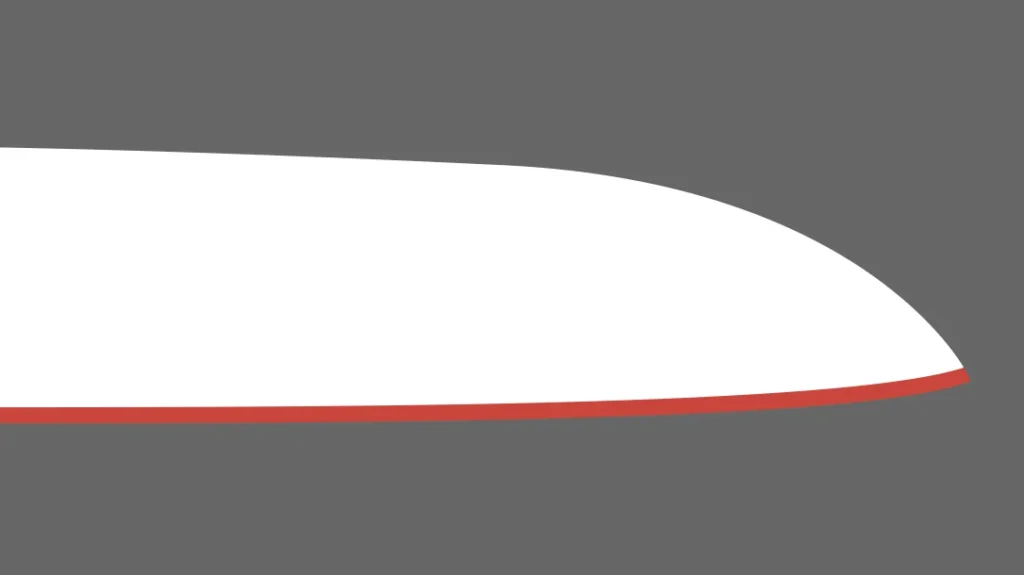
Often confused with the Sheepsfoot, the Wharncliffe is distinguished by its gradually descending spine. Where the Sheepsfoot’s spine stays straight before dropping abruptly, the Wharncliffe slopes downward the entire length of the blade. Traditionally, the edge is straight, though modern interpretations often introduce a slight curve without abandoning the overall profile.