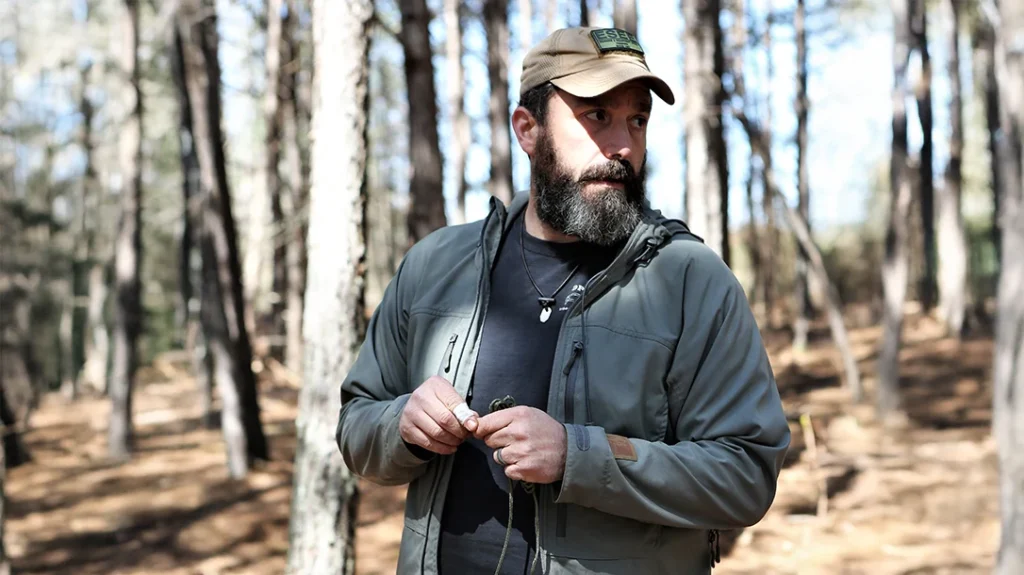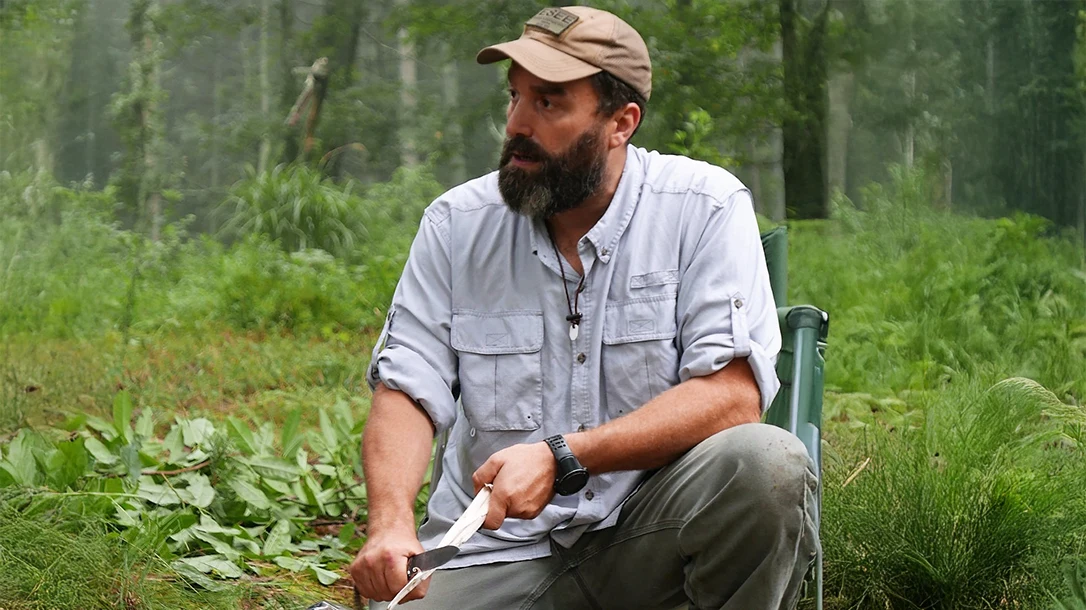
I sat down with Patrick Rollins of ESEE Knives to discuss teaching, knives, and what it means to do things the right way. There are people in this world who rush to fill space with words. Then there are those who let silence mean something. Patrick is the latter.
Who is Patrick Rollins of ESEE Knives?
He’s a quiet, deliberate teacher. He’ll pause long enough that you wonder if the answer is coming. Then, just when you’re about to jump in, he’ll say something that reshapes the question entirely. This is how it goes at Randall’s Adventure & Training, home of the ESEE Knives brand and one of the most trusted outdoor training groups in the country.
The people here don’t posture. They pass it on.
Advertisement — Continue Reading Below
More Than Knives
If you’re reading this, chances are you already know ESEE Knives. Maybe you’ve beaten an ESEE 3 into an elm stump or scraped some coating off your “4” after a year of hard use. The designs are proven, and the heat treat is righteous. But what often gets missed is the training background that informs everything they make.
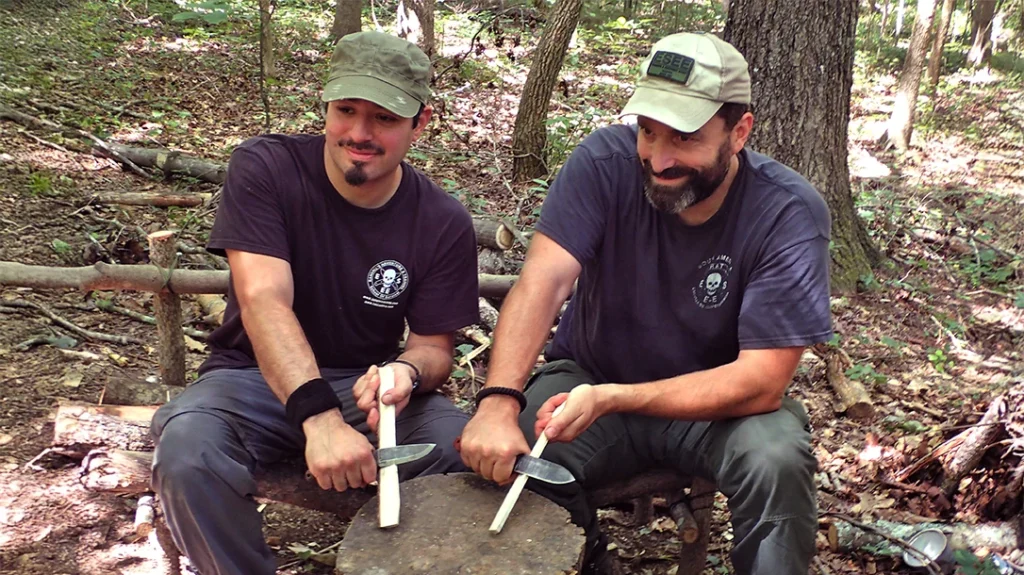
Randall’s Adventure & Training started as a survival training outfit long before they were known for blades. Jeff Randall and Mike Perrin, who co-founded the company, were running jungle survival courses in Peru. The knives came later. The philosophy came first.
Advertisement — Continue Reading Below
It shows.
Nothing about the ESEE product line is accidental. The scales aren’t textured for flair. They’re designed to stay grippy when you’re cold, wet, and tired. The pommels are shaped for non-lethal compliance strikes and survival utility. Finally, the sheaths are made for people who appreciate the traditional benefits of quality leather.
Learning from Patrick
Patrick Rollins is ESEE’s lead bushcraft instructor and a longtime fixture in their training programs. If you’ve ever taken one of their field courses, you’ve probably watched him make fire from damp leaves or teach shelter building in a pine grove somewhere.
Advertisement — Continue Reading Below
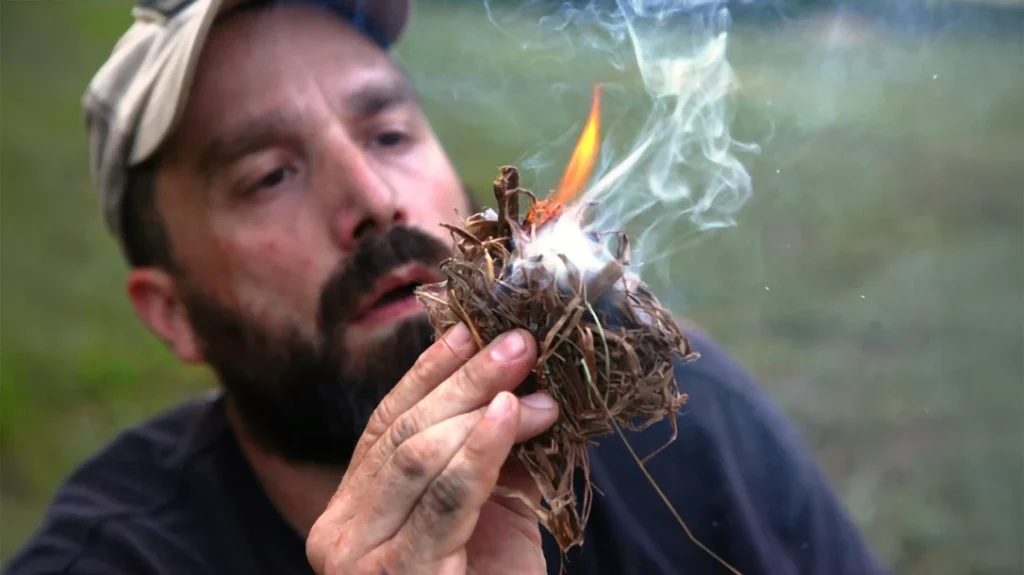
When I asked him what makes a good student, he didn’t talk about athleticism or wilderness experience, he said:
“When we’re doing this stuff in the woods, it’s not about flash. It’s about taking time to do it right and learning through doing.”
Advertisement — Continue Reading Below
That hit hard.
A lot of guys show up to classes with too much gear and not enough humility. But the woods have a way of sanding that down. Under Patrick’s eye, you’ll see folks who have never carved a tent stake before slowly fall into rhythm. It’s not about being fast, it’s about being right.
A New ESEE Blade from a Familiar Hand
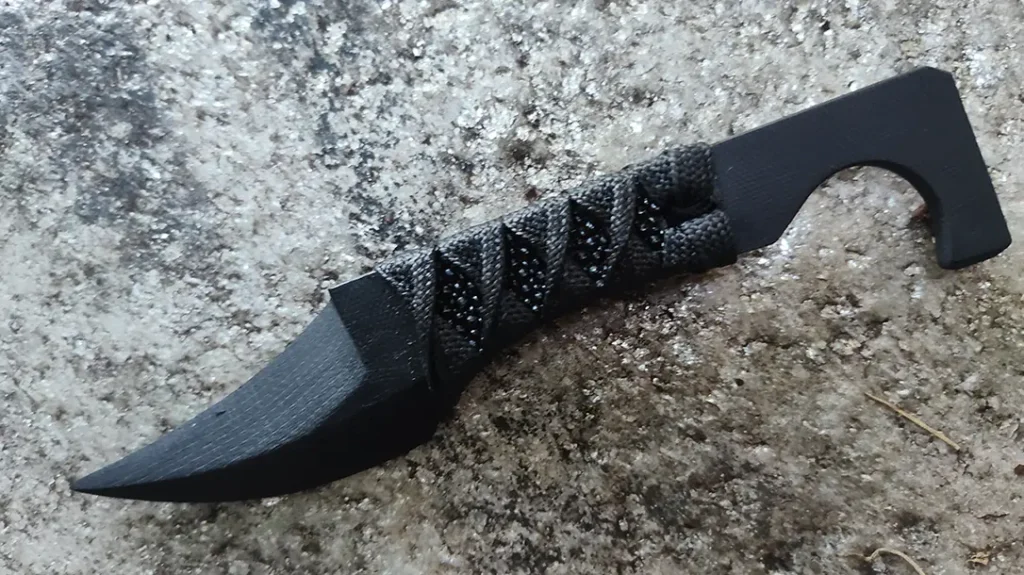
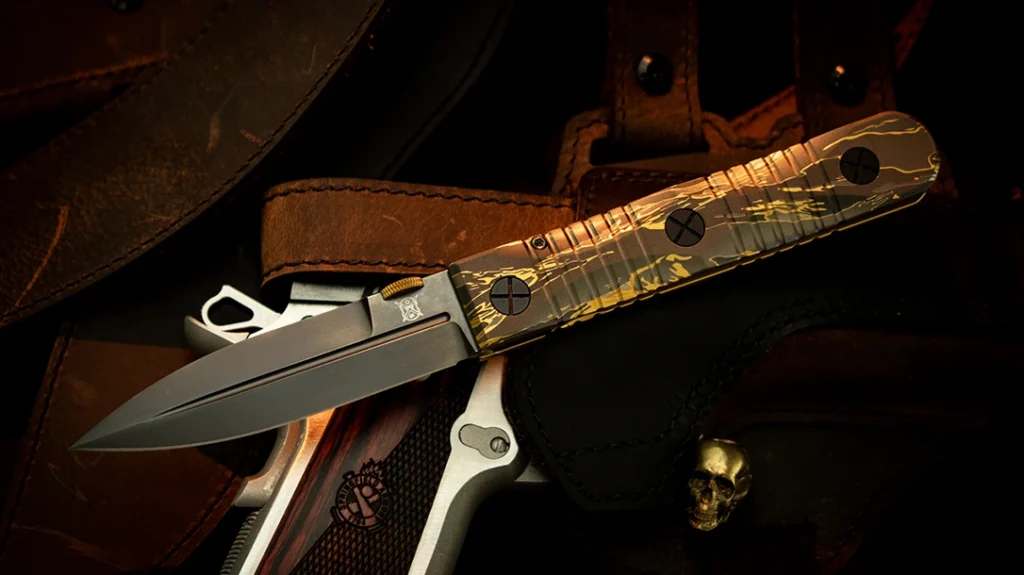
The newest addition to the ESEE lineup is the James Gibson Belt Knife. It is designed by the same man who gave us the PR4 and Pinch. James is a longtime friend of the company and a respected maker in his own right. His blades are compact, rooted in Appalachian design, and focused on field function over flash.
Advertisement — Continue Reading Below
This new Belt Knife is no different.
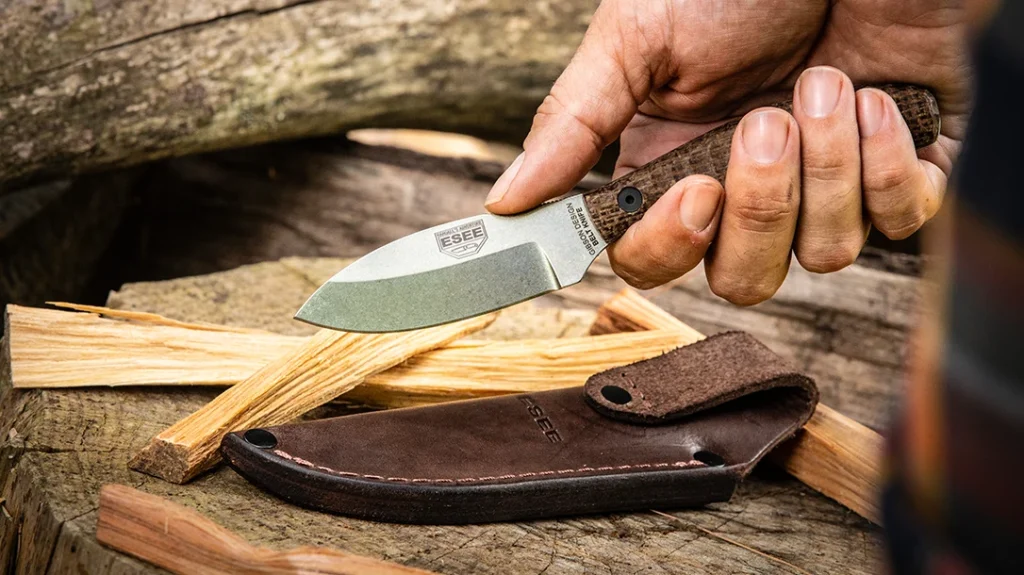
Patrick sent me a sample. It has clean lines, a subtle curve to the belly, and a simple but effective handle contour. It rode high on the belt and drew smoothly from its sheath. There’s no wasted steel, no goofy gimmicks, just a tool built to do a job.
Advertisement — Continue Reading Below
For a retail price of $122.16, you’re getting a lifetime-warrantied tool designed by one of the most respected fieldcraft instructors in North America. No nonsense, just a knife made for hard use and honest work.
Wisdom from Patrick Rollins
Patrick Rollins didn’t only speak in soundbites. He offered layers of practical wisdom, earned through time in the woods and time with students.
I asked what separates a solid student from a struggling one, and he brought it back to fundamentals.
Advertisement — Continue Reading Below
“If you don’t have knife skills,” he said, “you’re going to struggle with almost everything else.”
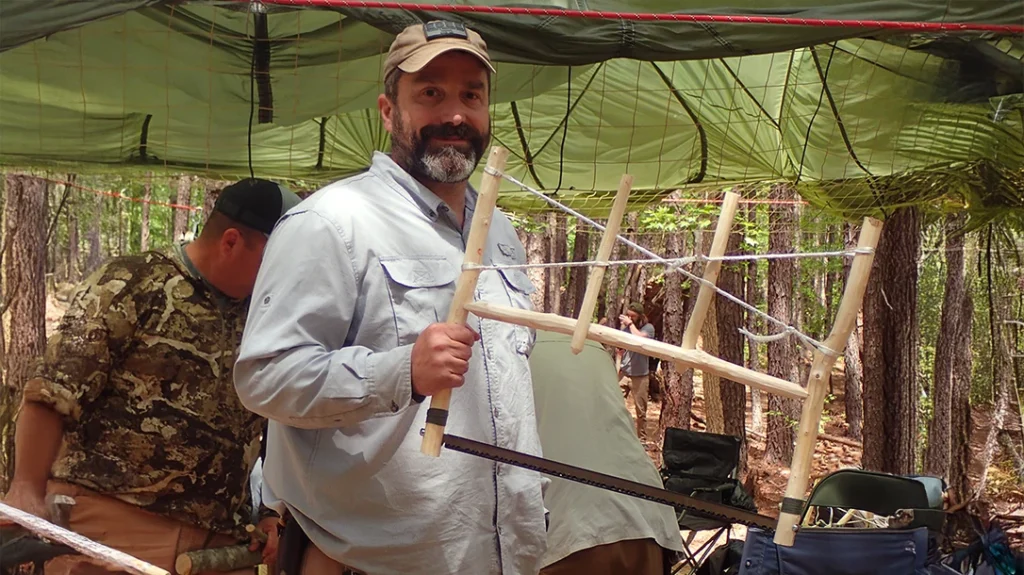
Patrick emphasized how simple, repeatable actions, like feathering, scoring, or basic notching, are often overlooked in favor of more glamorous bushcraft tasks.
Advertisement — Continue Reading Below
“Everyone wants to build the shelter, but they can’t build the stakes or the notches to get it up,” he stated.
He also shared the design intent behind the Gibson Belt Knife.
“James wanted to create a knife for students,” Patrick said. “It’s not some huge chopper. It’s a tool that can do everything we ask of it in class; make shavings, strike a ferro rod, and baton wood, but still be controllable.”
There was no bravado in his delivery. Just clarity.
“If you get out here and you don’t have those knife skills, that’s where you’re going to get in trouble.”
My Time in the Adirondacks
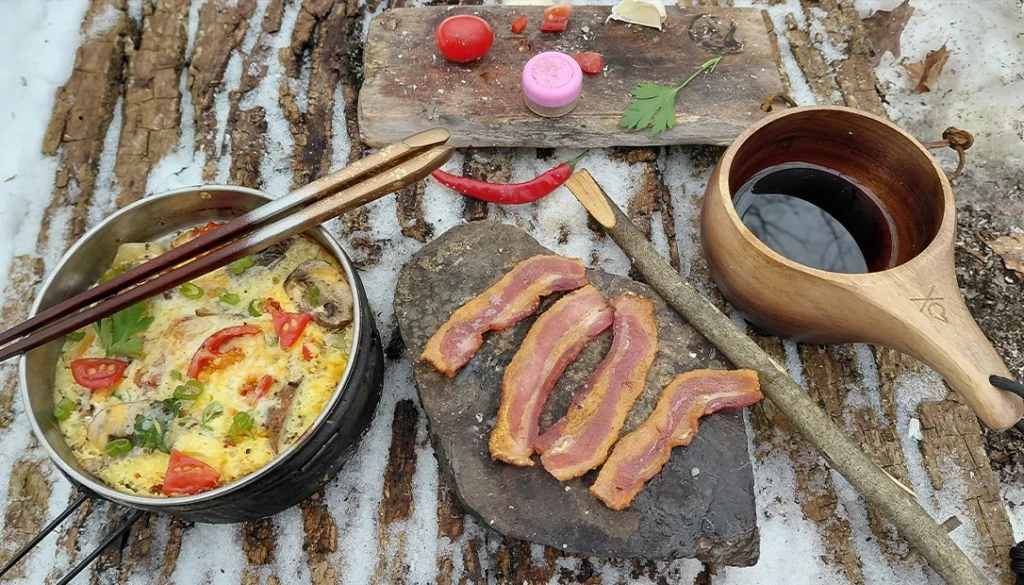
I packed the Gibson Belt Knife into the Adirondack Mountains for a long weekend hike. It was not babied. I batoned some small rounds, prepped food, shaved tinder, and used it for general camp tasks. It held an edge beautifully, and the blade geometry made it easy to control on sticks and notches.
It’s a production version of one of Gibson’s custom designs, now forged in 0.125-inch thick Magnacut steel with a 3-inch sharpened edge. The blade has a generous belly and flat grind that gives it a hard-use personality. However, the jimping and handle geometry make it just as good at slicing sausage as it is at striking a ferro rod.
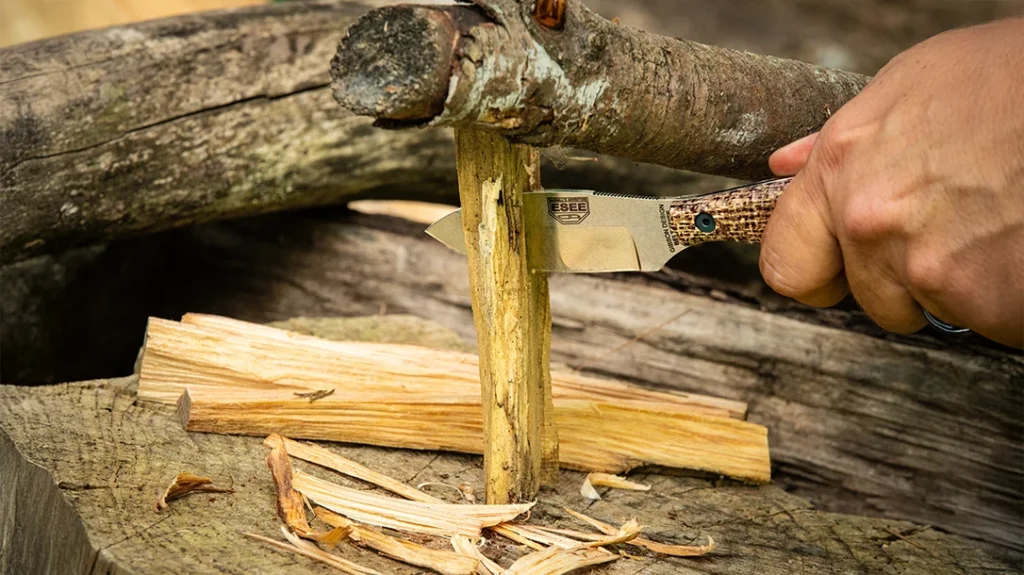
The brown micarta scales have a warm, almost wood-like feel with none of the fragility. Likewise, they stay grippy even when wet. No hot spots, just a confident purchase.
There’s no lanyard hole, just a clean, finished pommel. The sheath is heirloom-quality leather, stamped boldly with ESEE’s name on the inside. The knife came razor sharp from the box. I could dry-shave arm hair with zero discomfort. Additionally, at just 4.0 oz for the knife (6.2 oz total with the sheath), it carries light, punches heavy, and feels right at home on the hip.
It’s not a chopper. That’s not the point. What it is—what it does—is give you confidence in the things that matter most when you’re in the field. It’s light, easy to carry, and cuts like hell.
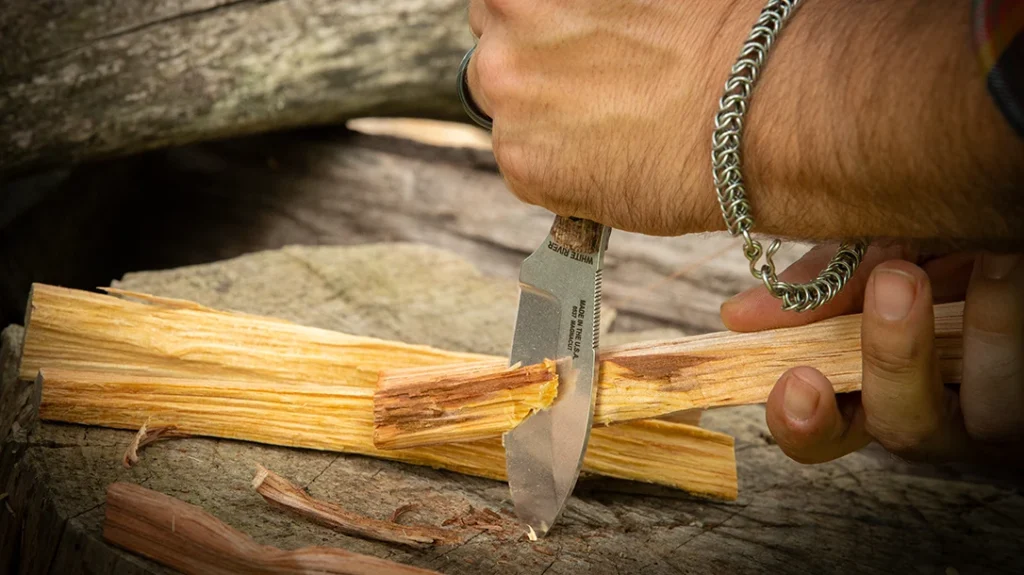
The handle geometry, in particular, deserves a callout. I had zero hot spots or fatigue, even after a long afternoon prepping kindling and clearing bark. The scales aren’t too proud, and the micarta has just enough texture to keep it locked in, even with wet hands.
A Note on Carry
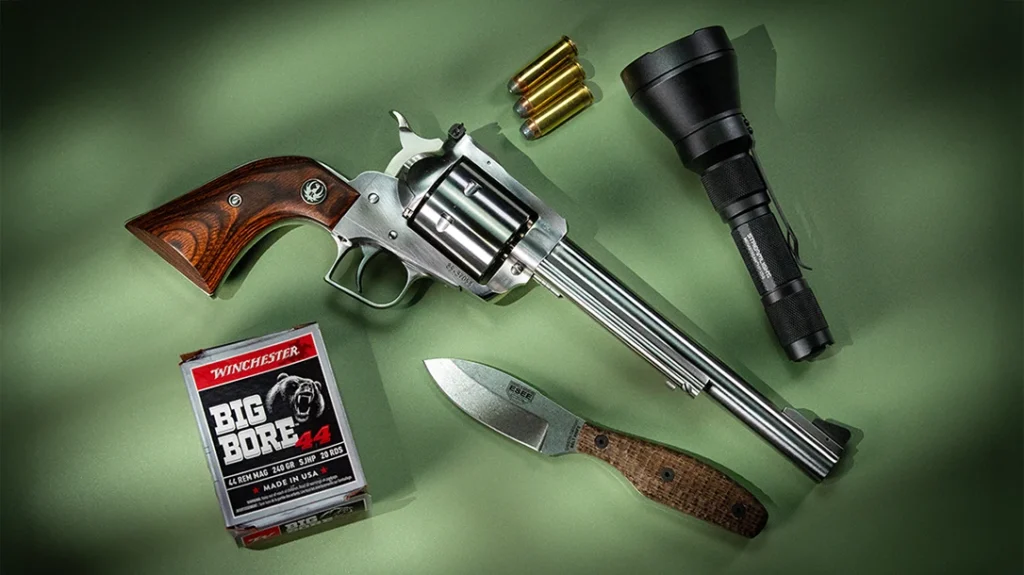
Even if you don’t carry a firearm, you should at least carry a knife and a flashlight. Not for fighting, but for cutting cordage, food prep, or even something as simple as freeing a stuck zipper. Your phone doesn’t count as a flashlight. You may need light and a cutting tool at the same time, and when the sun drops fast, you’ll be glad you planned for both.
Teach your kids, too. A small folder and a flashlight with a lockout tailcap aren’t too much to ask with some coaching. Give them the training they need to handle these tools responsibly. These skills build self-reliance.
ESEE Knives: Legacy and Humility
What makes ESEE Knives different isn’t just the steel. It’s the mindset behind it. Every knife they sell has been used in their own training curriculum. Every design has been field-tested and refined by people who actually use their tools in the real world.
Patrick told me, “When you show people that they can make fire, process wood, and build something, it turns their confidence back on. They walk away knowing they did something real.”
I think that’s what this knife represents, too. It’s not just a product; it’s an invitation to get your hands dirty again.
Adventure safe.