When most people think about bravery, they picture something dramatic. A big stand. A bold declaration. A moment where everything changes all at once. That version of bravery makes for good movies, but it’s rarely how real life works.
In real life, bravery usually shows up quietly. It looks like a conversation you’ve been avoiding. A decision you keep putting off. A truth you know you should say, but haven’t found the nerve to voice yet. It’s rarely loud. Often uncomfortable. Almost always inconvenient.
For a long time, I thought bravery meant confidence. I thought it was something you either had or didn’t. What I’ve learned over time is that bravery is almost always smaller than we imagine, and far more practical. And those small moments of courage, the ones that don’t get applause, tend to pay off in the most meaningful ways.
Advertisement — Continue Reading Below
The Myth of the Big Leap
There’s a popular idea that growth comes from taking massive leaps. Quit the job. Start the business. Make the announcement. Burn the boats. And while big moves have their place, most people don’t get stuck because they’re afraid of huge changes. They get stuck because they avoid small ones.
Small acts of bravery are easier to rationalize away. You tell yourself you’ll deal with it later. That now isn’t the right time. That it’s not a big enough issue yet. And because the consequences aren’t immediate, avoidance starts to feel harmless.
It isn’t.
Advertisement — Continue Reading Below
The cost of avoiding small brave moments compounds quietly. Unspoken resentment grows. Misalignment deepens. Opportunities slip by not because you weren’t capable, but because you didn’t take the small risk required to step into them.

What Small Bravery Actually Looks Like
Small acts of bravery don’t announce themselves. They look ordinary from the outside. But internally, they require you to override fear, discomfort, or ego.
Advertisement — Continue Reading Below
● It’s asking for clarity instead of pretending you understand.
● It’s admitting you’re struggling instead of keeping up appearances.
● It’s setting a boundary even when it risks disappointing someone.
Advertisement — Continue Reading Below
● It’s saying no when saying yes would be easier.
● It’s telling the truth when a half-truth would keep the peace.
None of these moments feels heroic in the moment. Most feel awkward. Some feel risky. All of them require you to choose honesty over comfort.
Advertisement — Continue Reading Below
And that’s where the payoff begins.
Why These Moments Matter
Small acts of bravery work because they change your relationship with yourself. Every time you choose courage in a small way, you reinforce a quiet belief. I can handle discomfort. I can trust myself. I don’t have to avoid hard things to be okay.
That belief compounds.
Advertisement — Continue Reading Below
Over time, you stop seeing bravery as a special event and start seeing it as a habit. You don’t wait until fear disappears. You move forward while it’s still present. And that shift changes how you show up in every area of life.
Bravery builds self-respect. Not confidence, but something sturdier. Confidence can fluctuate. Self-respect sticks. It comes from knowing that when things are uncomfortable, you don’t abandon yourself.
The Real World Payoff
The payoff of small bravery isn’t abstract. It’s practical and tangible.
Relationships improve because unspoken tension doesn’t get a chance to calcify. Careers move forward because you ask the question, raise your hand, or make your interest known. Stress decreases because you stop carrying things you should have addressed earlier.
Most people assume bravery increases chaos. In reality, avoidance does. Bravery tends to simplify life. It surfaces issues while they’re still manageable. It shortens feedback loops. It keeps small problems from becoming large ones.
You don’t need to be fearless to benefit. You just need to be willing.
The Moment That Changed My Perspective
I remember a moment when I realized how much I had been overestimating the risk of being brave. I had been sitting on a conversation for weeks, convinced it would blow up, damage the relationship, or create more problems than it solved. I rehearsed it in my head endlessly, each time imagining the worst outcome.
When I finally had the conversation, it was… fine. Not perfect, not painless, but far from catastrophic. The tension I had built up in my mind evaporated almost immediately. The other person appreciated the honesty. The issue didn’t spiral. Life moved on.
What stuck with me wasn’t relief. It was the realization that the fear had been far worse than the reality. That pattern repeated itself enough times that I stopped ignoring it. The dread was almost always disproportionate to the outcome.
Bravery Reduces Future Fear
This is one of the most overlooked benefits of small acts of courage. They make future bravery easier. Not because the stakes disappear, but because your nervous system learns something important. You survived last time.
Every time you choose courage in a small way, you collect evidence. Evidence that discomfort passes. That honesty doesn’t destroy everything. That you’re capable of handling difficult moments without unraveling.
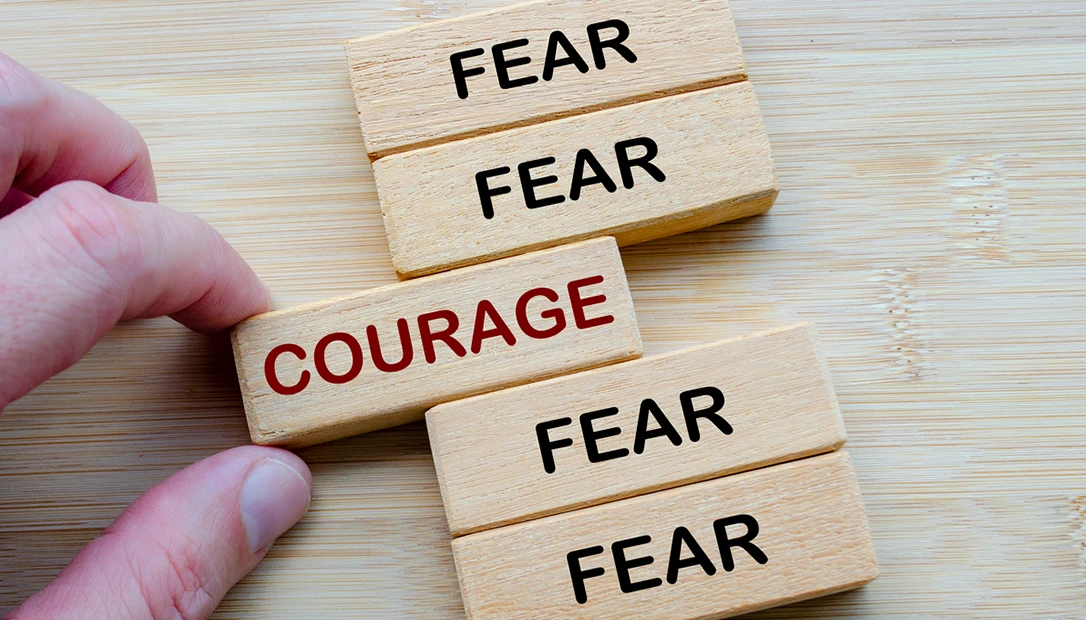
Over time, fear loses some of its authority. It still shows up, but it doesn’t get the final say. You stop treating it like a stop sign and start treating it like a suggestion.
Why Most People Avoid It Anyway
If small acts of bravery pay off so consistently, why do so many people avoid them?
Because comfort is seductive. Because short-term peace feels safer than long-term clarity. Because avoiding a difficult moment today feels easier than dealing with the slow erosion that comes from silence and misalignment.
There’s also ego involved. Small bravery often requires humility. Admitting you don’t know. Owning a mistake. Acknowledging a need. Those moments can feel like a threat to how you want to be seen.
Ironically, they usually have the opposite effect.
How Small Bravery Builds Trust
People trust those who are honest, clear, and willing to engage reality. Not those who perform perfection or avoid discomfort. Small acts of bravery signal reliability. They tell others that you’re someone who addresses issues rather than sidesteps them.
This applies at work, at home, and everywhere in between. Clear communication builds credibility. Boundaries build respect. Vulnerability builds connection when it’s rooted in responsibility, not oversharing.
Bravery done well doesn’t create drama. It reduces it.
Practicing Bravery Without Overthinking It
The easiest way to practice bravery is to lower the bar. Stop waiting for a moment that feels big enough to justify discomfort. Pay attention to the small hesitations instead. The email you’re rewriting for the fifth time. The conversation you keep postponing. The question you don’t want to ask because you’re afraid of the answer.
Those are your cues.
Bravery doesn’t require confidence. It requires action. You don’t need to feel ready. You just need to move forward, even if you don’t feel ready.
One honest sentence. One clear boundary. One uncomfortable question. That’s usually enough.

Where It Leads Over Time
Over time, small acts of bravery reshape your life in quiet but meaningful ways. Your relationships feel cleaner. Your decisions feel more aligned. You spend less energy managing impressions and more energy actually living.
You also stop waiting for permission. When you trust yourself to handle discomfort, you don’t need external validation to act. You become less reactive and more intentional. Less anxious and more grounded.
That’s the real payoff.
Courage as a Way of Living
Bravery isn’t something you summon in emergencies. It’s something you practice daily. Not loudly. Not dramatically. But consistently.
It’s choosing honesty over avoidance. Alignment over approval. Responsibility over comfort.
Those choices rarely get recognition. But they compound. And over time, they build a life that feels solid, honest, and earned.
That’s why small acts of bravery pay off in real life. Not because they make you fearless, but because they teach you that fear doesn’t get to run the show.
And once you learn that, everything changes.