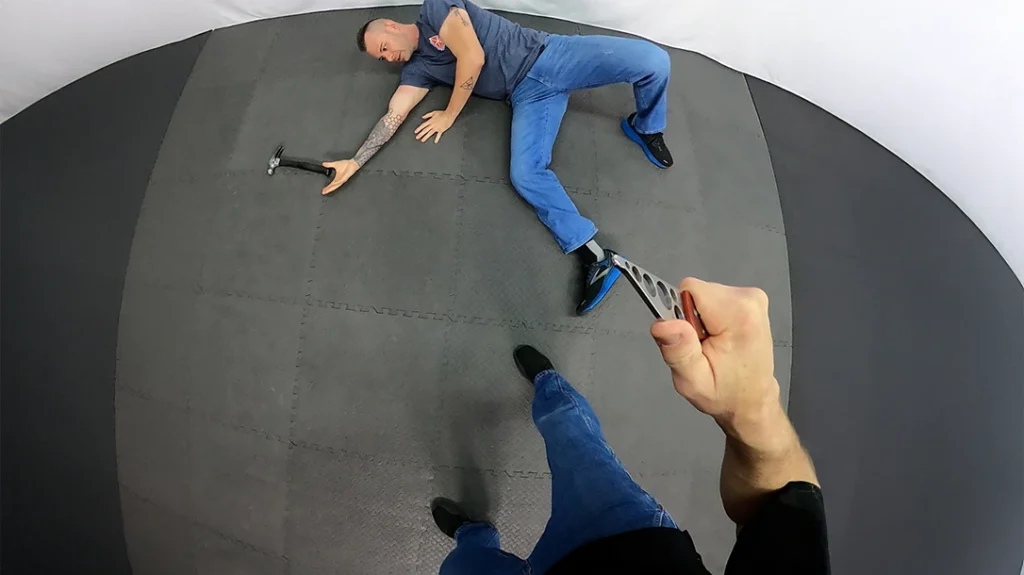
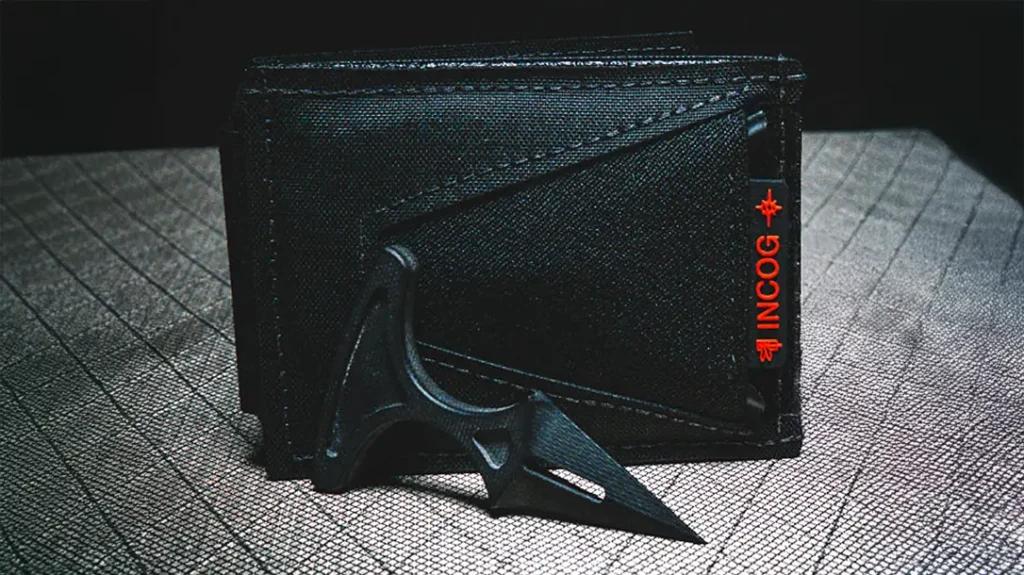
Stopping power is a term we hear a lot in self-defense. Although it’s mostly used in the context of firearms, it applies to all self-defense tactics and weapons. When it comes to contact-distance weapons like knives, it applies with a vengeance. The reason is simple. If you are defending yourself with a contact-distance weapon, your attacker is probably armed with a similar weapon. At close range, the longer you allow him to continue his attack, the more likely he is to be successful. So, for this episode of Street Smarts, we will focus on knife stopping power.
Understanding Knife Stopping Power
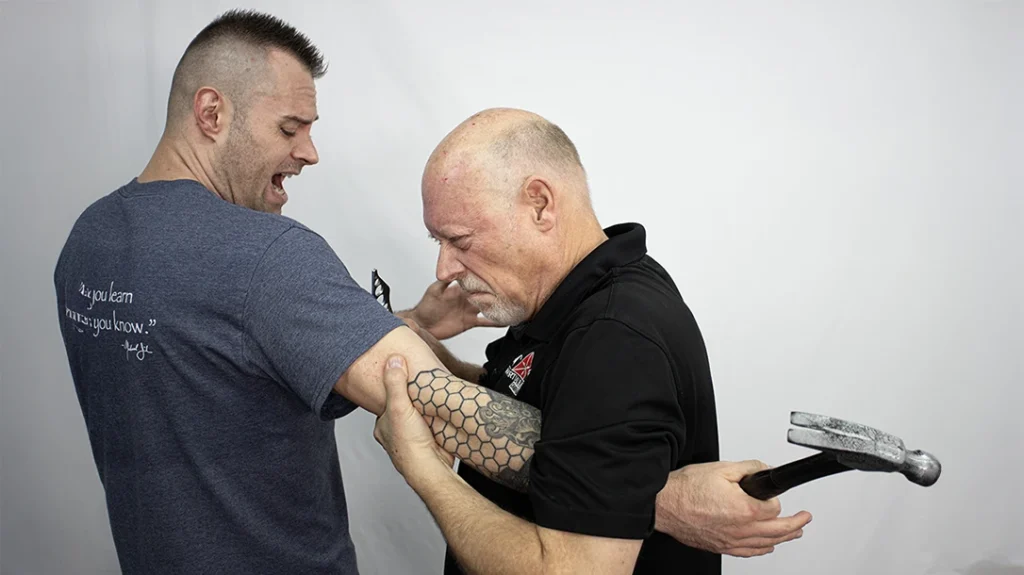
Unfortunately, there is a lot of misinformation out there when it comes to the stopping power of edged weapons. The most common belief is that knives stop through exsanguination or blood loss.
Advertisement — Continue Reading Below
In simple terms, you cut or puncture one or more of your attacker’s major arteries, and he starts to bleed out. When he loses enough blood, he eventually loses consciousness and stops trying to kill you. The problem with that approach is that it takes time. Just because he’s bleeding doesn’t mean he can’t still try to kill you.
The Martial Blade Concepts system of knife self-defense focuses on three “levels” of stopping power. These levels are based on targets that are accessible to a small, legal-to-carry knife and the ability to stop the lethal threat immediately.
The first level is “mechanical stopping”—cutting key muscles or tendons to instantly destroy specific limb functions, like gripping a weapon.
Advertisement — Continue Reading Below
The second level is “neurological stopping”—severing the nerves that allow the brain to control the muscles needed to wield the weapon. Again, this is an immediate result.
Finally, “stopping through blood loss” is a time-delayed effect that affects the attacker’s overall consciousness.
With a proper understanding of human anatomy, it’s possible for a single cut to achieve all three levels. Thus, stopping the lethal threat quickly and decisively.
Advertisement — Continue Reading Below