Absinthe is one of those drinks you either love or hate, and you either know something about it or you don’t. When you order an Absinthe drink at a bar, it is not just a cocktail; it is an experience. However, at one point, there was significant controversy surrounding this green liquid.
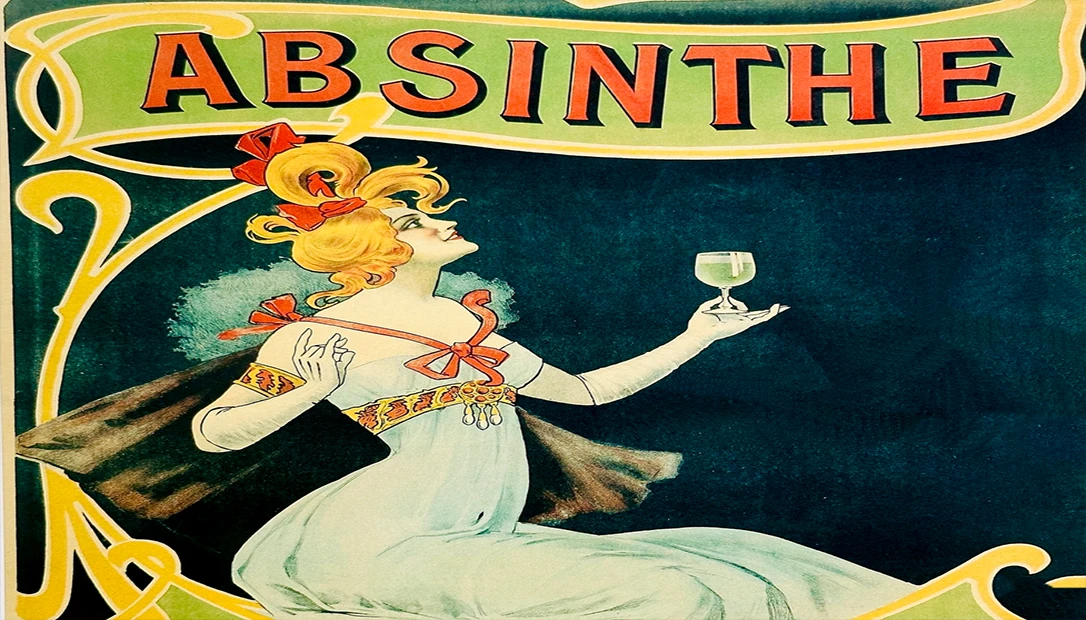
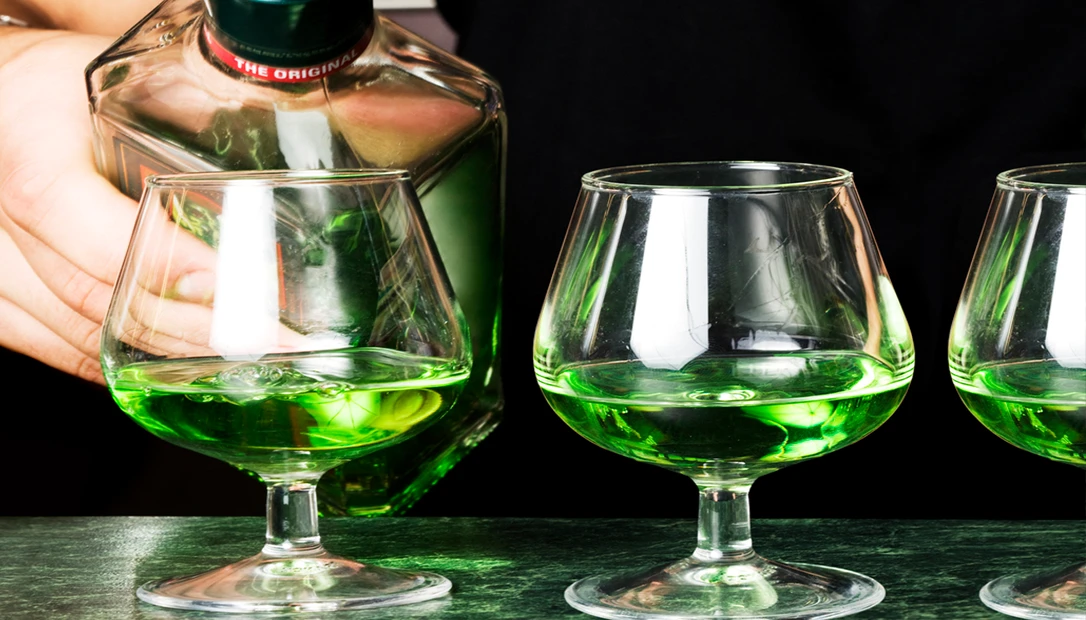
Absinthe is an anise-flavoured spirit that is made from many plants. Anise tends to have a licorice-like taste. Along with a licorice undertone, this spirit may also feature notes of fennel. Absinthe is best sipped slowly, as it ranges from 90 to 148 proof and must be diluted before consumption. Most of the time, Absinthe is green, but some types are clear.
Advertisement — Continue Reading Below
The Green Fairy
Absinthe may be aptly called “The green fairy” because of its color and its alleged hallucinogenic properties, though these have been deemed far-fetched. What gave Absinthe this reputation? It may be due to a chemical compound known as thujone, though there are only trace amounts in the drink. In the early 1900s, Absinthe was banned from the United States and many European countries; it did not make its big comeback until the 1990s.
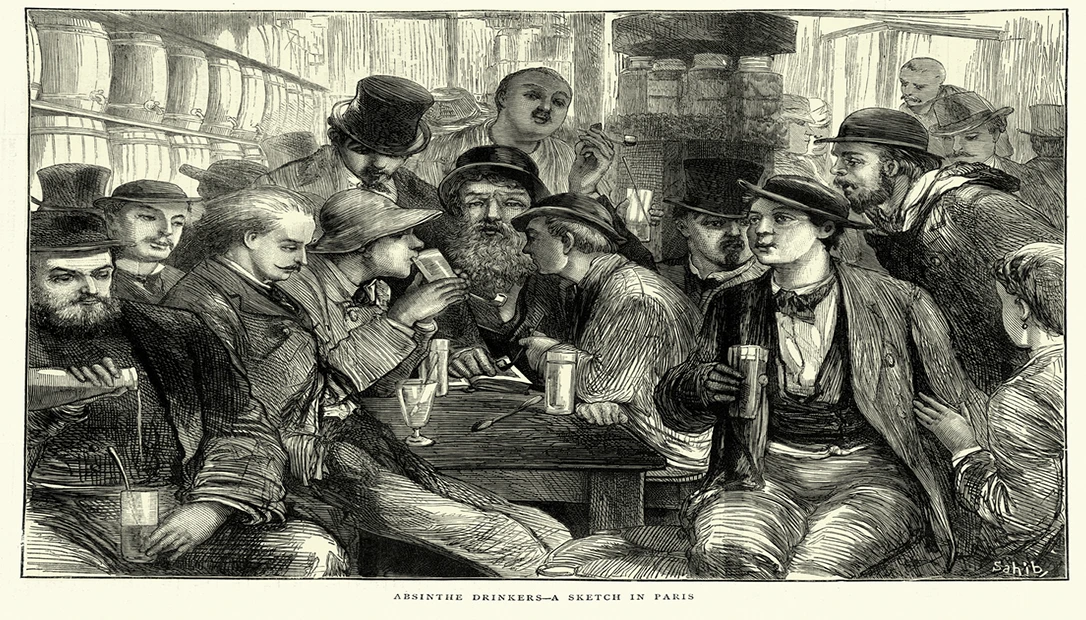
This spirit was first created in Switzerland in the late 1700s. Pierre Ordinaire, a physician, is credited with this drink. As time went on, this cocktail became increasingly popular, especially in the 1800s, and was often the drink of choice among the artistic community. Some of the most famous Absinthe enthusiasts include writers Ernest Hemingway, Lewis Carroll, and James Joyce. These writers, along with artists of the time, insisted that the spirit’s effects enhanced their creativity.
The Process of Making Absinthe
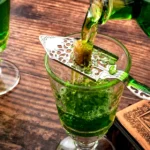
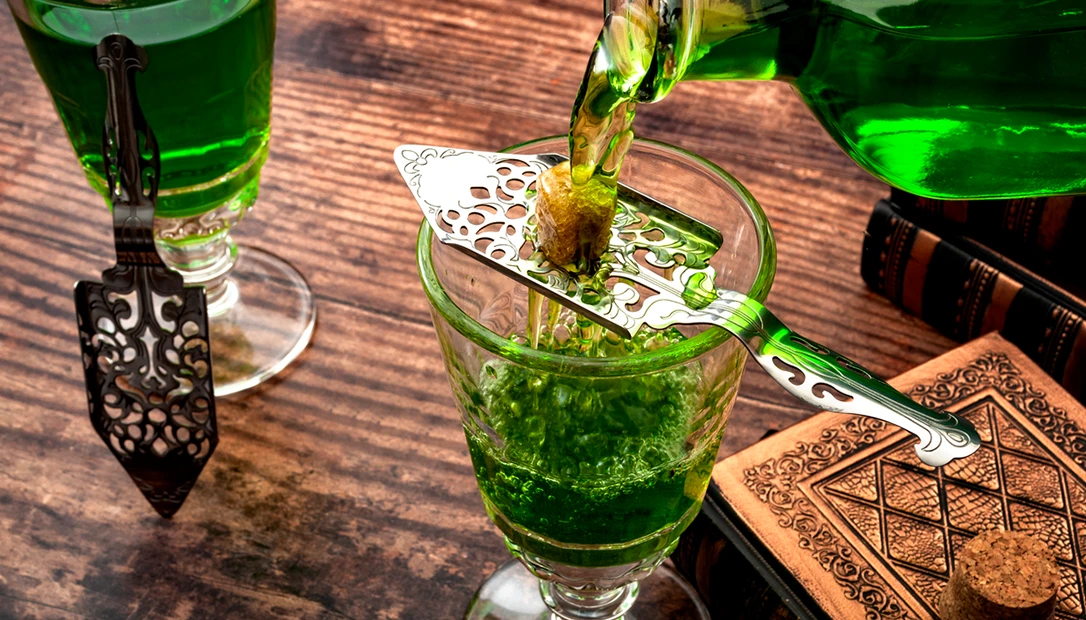
The way the actual cocktail using Absinthe is made is a process worth seeing. The traditional way is French and involves placing a sugar cube on a spoon resting over a glass with a bit of absinthe. The spoon must be slotted for the process to work properly. Once the sugar cube is placed on the spoon, iced water is poured over it. This makes the sugar cube break down into the absinthe. The ratio is typically 1 part Absinthe, 3 to 5 parts water, and one sugar cube.
Advertisement — Continue Reading Below
The water helps dilute the spirit, since it has a very high proof. The other reason for the water is that when the Absinthe is broken down, the flavors of fennel and star anise come out. That is the French way of making an Absinthe cocktail. Once the spirit, sugar, and other components in the drink are introduced slowly to water, it not only enhances the flavor but also creates a cloudy drink, which is part of its charm.
The other way to make this cocktail is the Bohemian way, which is stronger and includes fire. It is very similar to the French way, except that the sugar cube is dosed with more Absinthe or another type of alcohol and lit on fire. This drink may be called “the flaming green fairy”. The French way is preferred because it is less strong and less dangerous to make. The cocktail was first produced in Paris in the 1800s. Today, there are still some bars that have Absinthe on the menu and can make it in the traditional form, sugar cube and all. It is a table-side experience that is, in itself, somewhat of a performance.
Advertisement — Continue Reading Below
Separating Fact from Fiction
Though the green version of the spirit Absinthe is the most common, there are others. Green is known as vert in French; there is also a blanche version, which is also French. Absinthe should be stored in a clear glass bottle and should not be exposed to air for long periods, as it can oxidize and turn the spirit an odd color. It is recommended to avoid putting Absinthe in the freezer.
What is it in this spirit that makes people claim it may have hallucinogenic effects? It is wormwood, which is one of the plants the spirit is made from. Another Frenchman, Valentin Magnan, conducted experiments over a decade using wormwood oil to investigate the plant’s possible effects. All in all, he conducted 250 case studies, which included mostly people who were alcoholics. At the end of the day, his experiments determined that those who heavily drank Absinthe experienced hallucinations. The lesson is don’t drink too much of it.
Was Absinthe to Blame?
One man in Switzerland claimed that the spirit made him murder his entire family. Jean Lanfray was a French laborer residing in Switzerland in the early 1900s. One August afternoon, when he was very drunk, he murdered his pregnant wife and their two children. Was Absinthe completely to blame? No, police found evidence that Lanfray had consumed copious amounts of wine, seven glasses to be exact, and many other hard liquors; two ounces of this was Absinthe.
Advertisement — Continue Reading Below
The other liquors included six glasses of cognac, some brandy, more than one creme de methes and then the two ounces of Absinthe. The story goes that Lanfray had asked his wife to polish his shoes and had argued with her. He then got his rifle and shot her in the head.
Murder was the Case
Unfortunately, his two young children came to see what the commotion was and ended up being killed by their father as well. Following these tragedies, Lanfray attempted to shoot himself but only shot himself in the jaw, injuring himself, not killing himself. Police found him later, and he was taken to a hospital where he survived. His murder trial only lasted for one day. His defense was based on his consumption of Absinthe and its effects on him. However, the prosecution pointed out that Lanfray had barely any Absinthe that day; he drank mostly other liquor. He was found guilty; he was to serve 30 years in prison, but he killed himself three days after his conviction.
Absinthe was blamed so heavily for this crime because many members of society were already questioning the drink and the possible effects it could have. Shortly after the homicides, Absinthe was banned for a time in most countries. It was then heavily regulated and studied before the ban was lifted. To this day, some countries have regulations regarding this alcoholic beverage.
Advertisement — Continue Reading Below
Popularity
The spirit was so popular among artists because they felt the hallucinations inspired their creativity. Along with the famous writers previously mentioned, one of the most famous Absinthe fans was Vincent Van Gogh. Though not as commonly found as in previous centuries, this spirit can still be found in many liquor stores.
This spirit has even inspired a Las Vegas show that has become one of the Strip’s top shows. The show Absinthe is a cabaret-style show for adults featuring acrobatics and dancing, performed in a very unique setting.
Advertisement — Continue Reading Below
Since the era of peak Absinthe consumption, the spirit has been regulated and allegedly does not cause hallucinogenic effects; however, those who imbibe should still refrain from overdoing it, as it is a strong spirit that should be consumed wisely.