Years on the road and traveling abroad taught me one hard truth: you don’t need much to trigger attention from local authorities. One wrong move and the police or military can pull you into a full shakedown. A wrong turn can drop you into a bad pocket of town with locals who don’t feel friendly.

Stay Switched On
Violent crime never announces itself. You never know when someone plans to size you up. Situational awareness keeps you out of most trouble. Muggers and pickpockets hunt for easy targets. If you juggle bags, stare at your phone, or bury your face in a map, you broadcast weakness. If you walk with your head down, you miss everything—including the person closing in on you.
Advertisement — Continue Reading Below
Awareness starts with simple habits. Pocket the phone. Make brief eye contact with people as you pass. Avoid sketchy areas after dark. When you travel abroad, you won’t always know where those areas sit until you roll straight through them. Taxis and tuk‑tuks cut through rough neighborhoods without warning. Once you land there, you deal with whatever waits.
Travel mixes you with locals from the moment you hit the airport, train station, bus terminal, or port. You rely on them for rides, directions, food, money exchange, and daily logistics. You also depend on them for order—firefighters, police, even soldiers if unrest breaks out.
Your job as a visitor: adapt. Learn the basics of local customs, etiquette, transportation, and dress codes—especially in conservative regions. Pick up a few words of the language. Greetings matter. Effort matters even more. Locals notice it.
Advertisement — Continue Reading Below
Plenty of English‑speaking travelers complain when someone abroad doesn’t speak English. They forget one simple fact: they stand in someone else’s country. People spend time and money to reach a new place. So embrace the difference. Lean into it. Adapt and move with the culture instead of fighting it.
Respect the Badge or Pay the Price
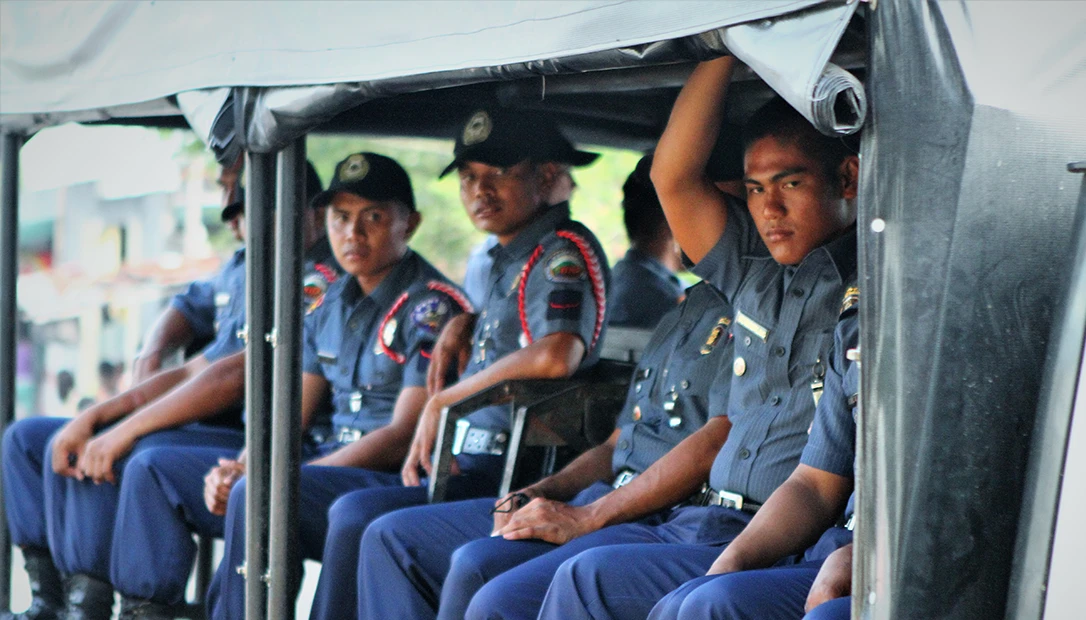
Obey local rules the moment you hit the street. Traffic lights and crosswalks trip up travelers faster than anything else. This is one time when “Do as the locals do” saves you. Walk when they walk. Never step off the curb before they move, or the light changes. Minor lapses—littering, spitting, cutting corners—draw heat from local authorities.
Advertisement — Continue Reading Below
Carry your passport every time you leave your home country. Nothing proves your identity faster. In Peru, police asked my entire group—twelve of us fresh off the Amazon River—to hand over passports. The officer thanked us for visiting and asked who had wandered into his small community. We traded handshakes and smiles despite the language gap.
I hit sixteen military and police checkpoints in Venezuela on a long bus ride from Ciudad Bolívar to the Gran Sabana. Almost half required random passengers to step off the bus for extra scrutiny. Armed officials with hard stares and rapid Spanish made everyone tense. Staying calm and cooperating helped me clear each stop faster than any attempt to pull rank with, “Hey, I’m an American.” That line never helps.
When Things Get Serious
I’ve dealt with detentions and interrogations in Singapore, Japan, Venezuela, and Peru. Only once did their suspicions land on something real. After flying from Thailand into Singapore, I carried large chopping blades in my checked luggage for a magazine story. Customs flagged the bags and moved me into a holding room while they waited for police and the Arms and Explosives branch. They handle every “prohibited weapon” that enters the country.
Advertisement — Continue Reading Below
I kept my cool. No irritation. No panic. I followed the instructions and answered every question. I explained the blades, the story, and the purpose behind the trip. Singapore enforces some of the strictest laws on the planet—fines for gum, life sentences for major offenses, and death penalties for others. I walked out because I cooperated and told the truth.
If you hide nothing, you fear nothing. Stay calm. Follow directions. Let the officials do their job, and you’ll be able to continue your trip.
Advertisement — Continue Reading Below
Shoot Smart or Not at All
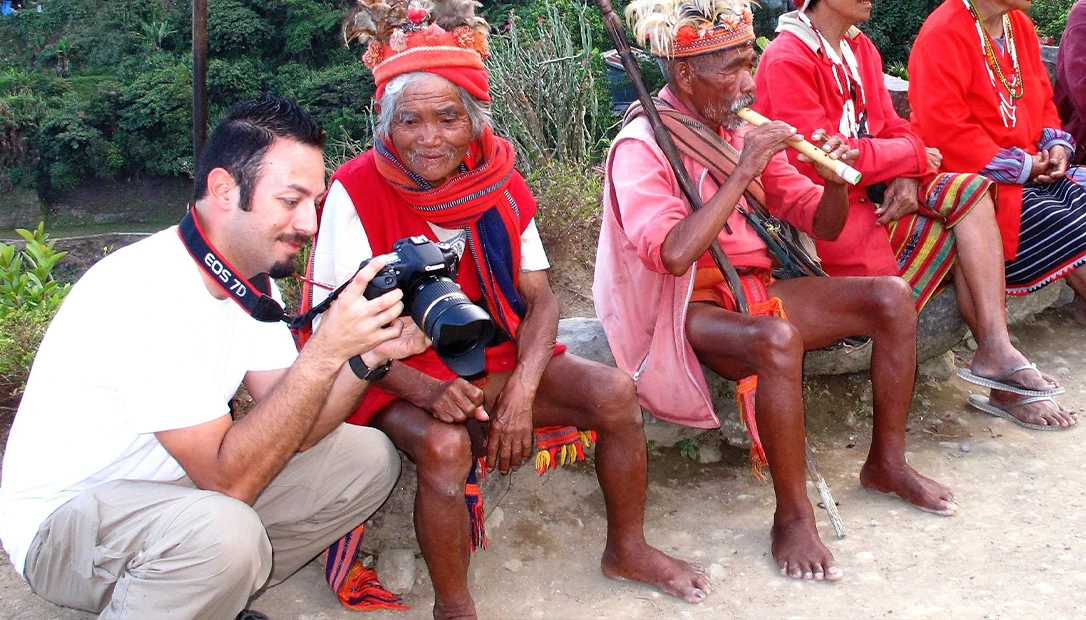
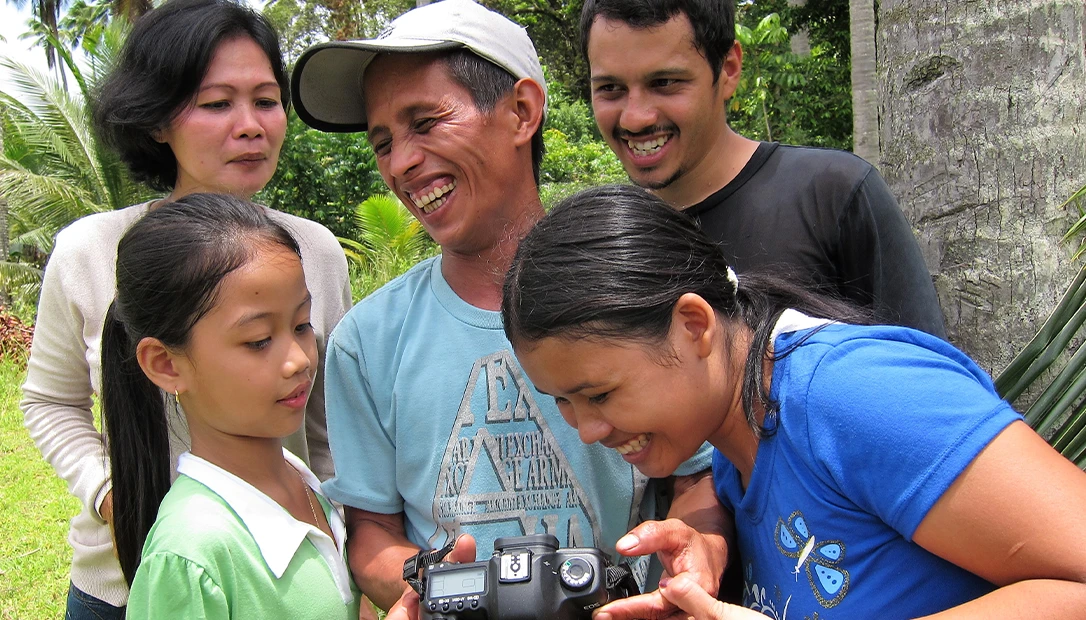
Travelers land in trouble fast when they snap the wrong photo or wander into the wrong neighborhood. Everyone shoots pictures now. Social media turned travel into a nonstop photo hunt. In 2010, while moving through Turkey and Egypt, I grabbed shots of locals in shops and on the street. One angry man stormed over and told me to stop. I took the hint and shot more discreetly.
My rule always leaned toward “take the shot and ask forgiveness later,” but that approach carries risk. If someone reacts badly, apologize and walk away. Some people jump straight to violence. Avoid photographing fights, arrests, or any other law-related activity. People who break rules don’t want evidence floating around. They will shut you down fast, officials included. Large DSLR rigs draw attention. Small point‑and‑shoot cameras blend in. Use discretion around religious events or unusual rituals. Respect and common sense carry you farther than any lens.
Australia demands extra caution. Many Aboriginal groups believe photos steal their soul. Some react with extreme violence. While exploring the backcountry near Broome, Australia, in 2009, I found a burned pair of boots and a single trail of footprints leading into the bush. The scene felt wrong. Stories I’d heard days earlier echoed in my head, so I headed back toward town.
Advertisement — Continue Reading Below
I soon crossed paths with four Aboriginal men carrying snacks and drinks. No escape route existed, so I smiled and kept walking. One younger man noticed my camera and flashed a thumbs‑up with his Coke bottle. I took it as permission. I snapped a few respectful shots as they moved on. I waved, smiled, and watched them fade into the red landscape.
Your Mouth and Manners Keep You Alive
Years before Australia, I joined a Randall’s Adventure & Training survival trip in Peru. Our group included students from Hong Kong, Sweden, and the United States. We moved through Lima and small Amazon villages, always a little out of our element.
During that trip, RAT founder Jeff Randall gave us the best travel advice I’ve ever heard. He said our strongest survival skill wouldn’t come from knives, fire, or navigation. It would come from our social skills. That line saved me in more countries than I can count.
Advertisement — Continue Reading Below

Travel Wrap Up
A wrong turn in a foreign city hits as hard as getting lost in the wilderness. One moment you feel fine, the next you stand in front of a group of locals who don’t know your intentions. A simple smile and a friendly wave can defuse tension fast. Locals often feel just as wary of you as you feel of them.
This applies to citizens and officials alike. Stay friendly. Stay aware. Stay safe. Social skills form the backbone of survival 101!
Advertisement — Continue Reading Below