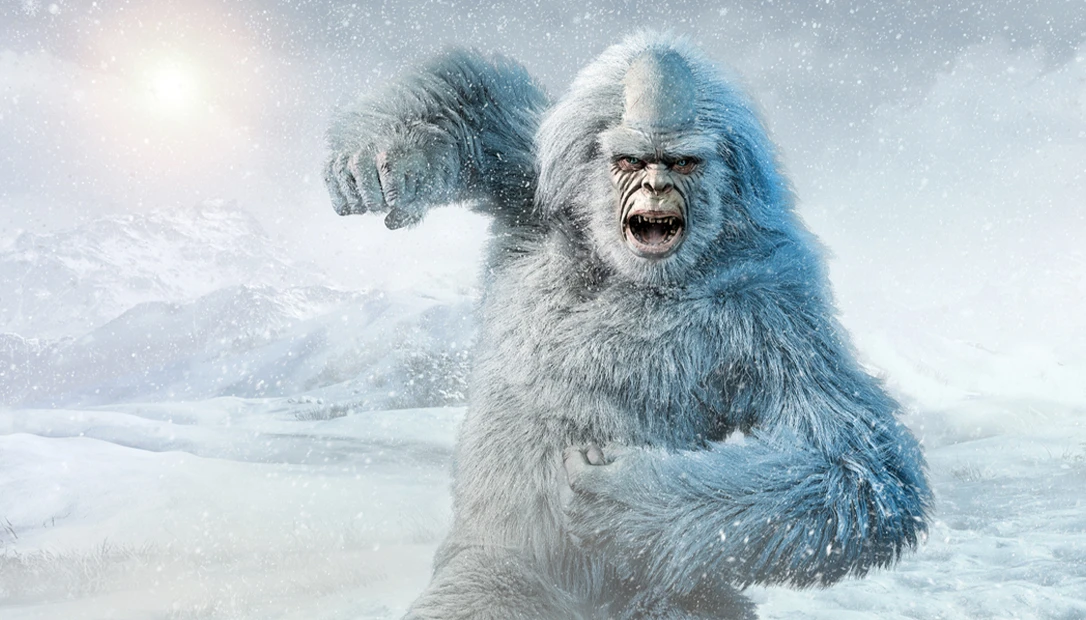
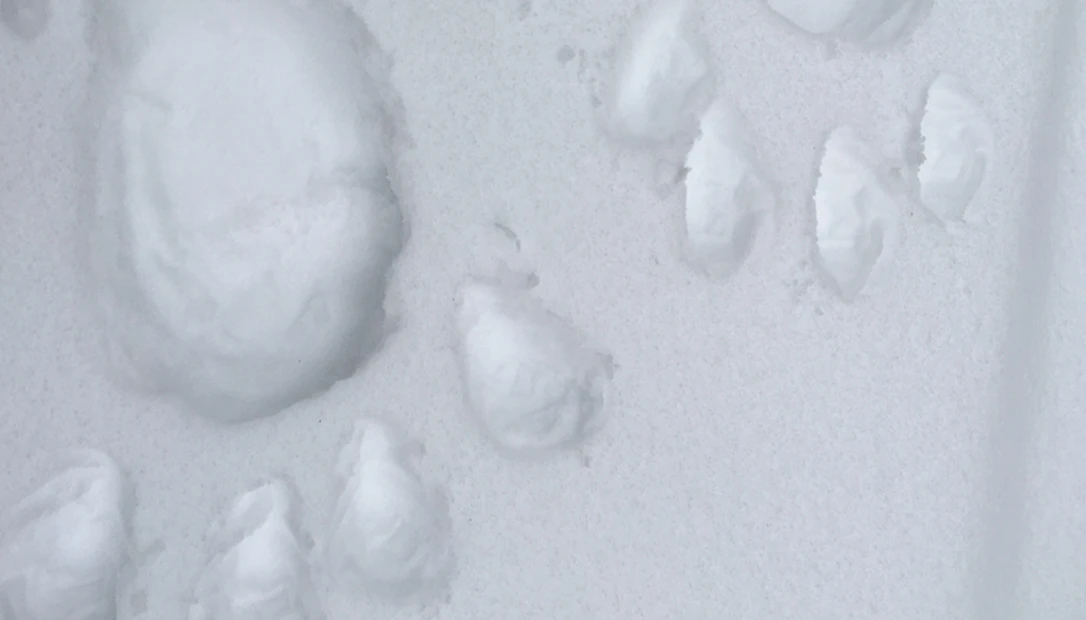
High in the silent, frozen peaks of the Himalayas, where the air is thin and even sound seems too afraid to travel, tales of the Abominable Snowman linger like echoes. Tourists speak of enormous footprints appearing overnight in untouched snow, each one too deep and deliberate to be made by anything human, or maybe it was just a giant climbing Mt. Everest for the low, low price of $40K and a few Sherpas’ lives.
Yeti: Myth, Man, or Missing Link?
Some claim they’ve heard low guttural calls rumbling across the valleys, far too close for comfort, probably just the wind. Others insist they have felt something watching them from the tree line, just beyond the reach of their fire’s light, or a towering shape perfectly reflected in the ice around it. Of course, no one ever sees it clearly, but everyone who has been there swears the same thing: that something huge roams those mountains, and it refuses to be found … sounds like a UAP; photos are always grainy, and there’s never any tangible evidence.
Advertisement — Continue Reading Below
The Himalayan’s abominable snowman, or better known as the Yeti, is a mythical creature from Himalayan folklore described as a large, ape-like being that leaves giant footprints and is sometimes said to be the protector of the mountains. While other tales tell a story of a beast that is nothing but dangerous. The legend gained worldwide attention after a 1951 photograph showed a large footprint near Mount Everest, though later analysis of yeti samples, such as hair and bone fragments, showed they were from known animals like bears and dogs. Wow, that must have been a huge dog. However, some don’t buy the dog theory, and neither do I.
Cryptid Beginnings
The history of “Yeti” refers to two distinct subjects: the legendary Himalayan creature known as the Abominable Snowman and the American outdoor gear company founded in 2006. The legendary Yeti originated in Tibetan folklore, evolving over centuries, and later became popular in Western culture after 20th-century explorer accounts of mysterious footprints, always with the footprints. The Yeti company was founded by brothers Roy and Ryan Seiders in response to their frustration with the poor quality of existing coolers and true believers in the white ape.
Some have the audacity to call this a “conspiracy,” maybe because of the lack of scientific proof, with all of the alleged evidence often explained by scientific analysis as misidentified animals or hoaxes. Conspiracy theories surrounding the Yeti often claim that authorities are hiding the creature’s existence, sometimes pointing to instances in which alleged Yeti evidence was not fully investigated or in which scientific conclusions were doubted by the public. For example, the aforementioned hair sample said to have come from a Yeti spotted by a Jesuit priest in the Nepalese mountains in the 1950s, according to producers of “Yeti or Not.” Lindqvist sequenced DNA from the hair and found that it was from a Tibetan brown bear. Very disappointing …
Advertisement — Continue Reading Below
Unexplained Mysteries
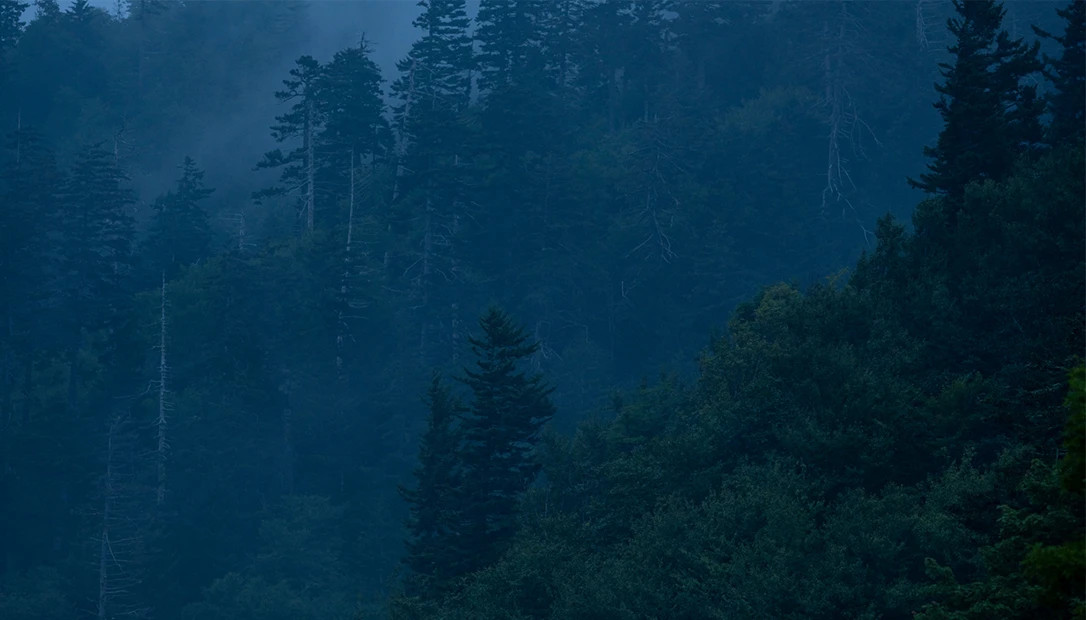
Don’t be too disappointed, my lore-loving audience, for if we expand our minds to see the similarities between anything lurking high in the Himalayas and those good ‘ol deep-fried stories of one of the world’s most unforgiving and possibly oldest wildernesses, the Appalachian Mountains. Something is said to watch from the shadows in the dense, mist-cloaked forests of North America, much like the yeti, but in these parts, we call him Bigfoot, the Yeti’s cousin, or so I can only assume. I mean, come on, they’ve got to be related. He is described as a towering, ape-like figure who moves silently through the trees, leaving massive footprints and an overwhelming sense of being hunted. Witnesses describe a deep, deliberate stride, howls echoing through the night, and an unsettling feeling that whatever is out there is possibly intelligent enough to be aware it’s being seen and to choose when to hide.
North American Folklore
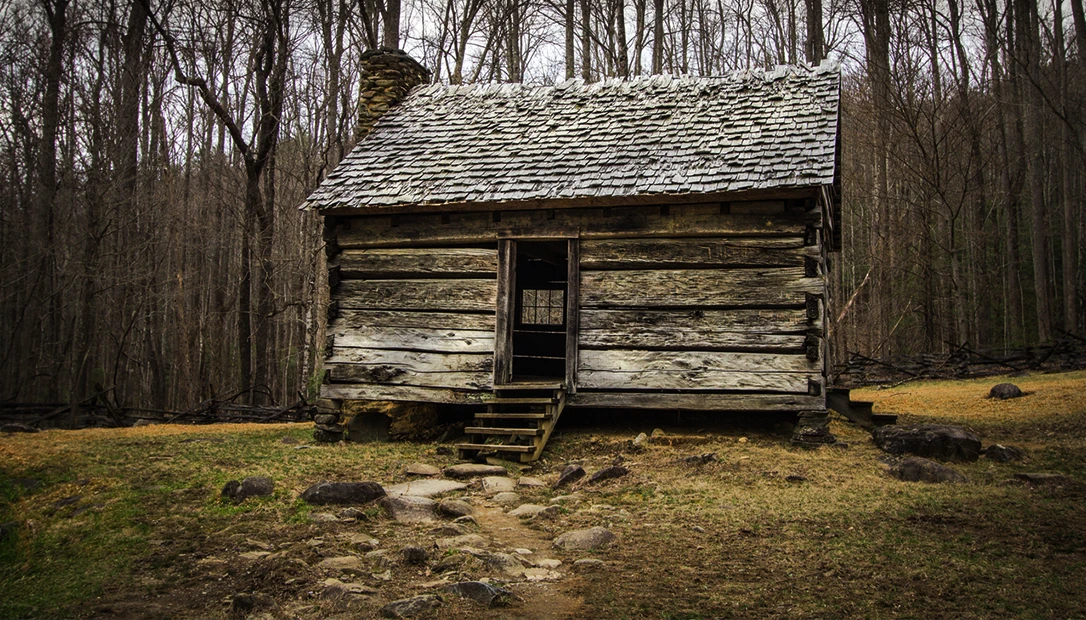
The Appalachian Mountains breathe with old stories, passed down in hushed voices meant to warn, not entertain. These woods are said to be home to things that were never meant to be named. More creatures than just Bigfoot, creatures like the Wood Booger lurking behind tree lines, the Mothman watching from the dark, and lights that drift through the hills where hikers vanish without a trace. Native legends speak of the Nunnehi, the Little People who move unseen, and the Moon-Eyed People, an ancient race said to have lived here long before memory. In a land this dense and isolated. Some of these myths don’t feel like stories; they feel like instructions for survival, and that is exactly how the locals tell them.
Advertisement — Continue Reading Below
A Familiar Story
The rules are simple, and they are repeated for a reason: never stay in the woods after dark, and never walk off the beaten path. The distance lies in the mountains. If you hear a voice far away, it’s already close. If it sounds close, it’s pulling you farther than you can see. And if you hear your name called, no matter how familiar, no matter how gentle, you do not ever answer. The mountains know your voice better than you think, and some things learn it just by listening.
Above all, never ever whistle or sing in these woods. Some say the sound carries invitations, and the Appalachians are full of things eager to accept them, such things they call haints, tricksters, spirits that follow quietly and don’t always stay in the trees. These things sound way creepier than Bigfoot or the Yeti. A whistle in the dark is never a bird, and a song echoed back is never friendly. Keep your eyes forward because staring too long at the trees, some say, invites the kind of attention you may not want, and you may realize too late that something has been staring back the entire time, and I can guarantee it’s not Harry (Harry and the Hendersons)
Advertisement — Continue Reading Below
This ain’t no Bigfoot
Unlike Bigfoot’s dark, forest-blending shape, the Yeti is often described as pale or white, rising out of blizzards like part of the storm itself. Mountaineers have reported enormous tracks appearing overnight, circling camps, as if something massive walked through while everyone slept. In these regions, locals warn that the mountains do not forgive curiosity and that the Yeti is one of their guardians. I’ve seen the photos of what “tourists” do to Mt Everest, I’d use the Yeti to keep these people from going anywhere else, too.
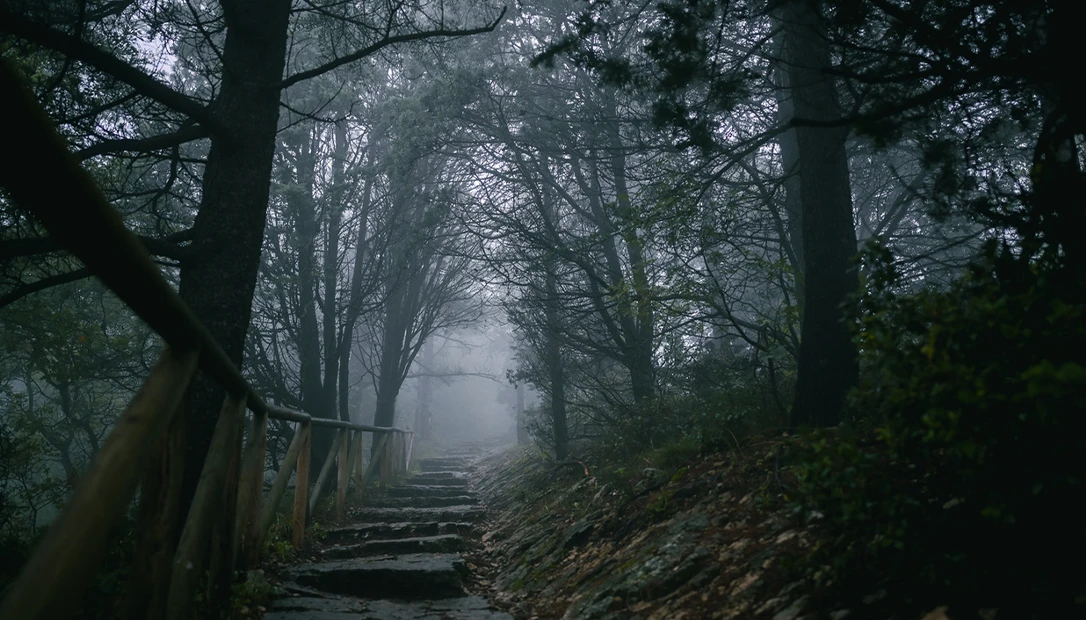
So what makes both creatures truly terrifying is not just their size, but their absence of proof. Despite decades of sightings, recordings, and recovered “evidence,” no body has ever been produced. Skeptics point to bears and hoaxes, yet the legends persist, fed by people who swear they were not alone, and we all know that feeling, the one that something is watching them from just beyond the firelight, or the dark corners where the light is reaching but just can’t quite touch without ever revealing itself.
Advertisement — Continue Reading Below
Unknown Fear
Perhaps the fear comes from the idea that these beings don’t want to be found, that there is an intelligent being making calculated decisions about you without you knowing. Bigfoot and the Yeti are not monsters that charge or roar for attention; they linger, observe, and vanish. In places where humans are weakest, in forests or exposed on frozen peaks, the thought that something ancient, powerful, and unseen might be standing just out of sight is far more chilling than any clear proof ever could be.
Let’s be real, a truly good horror movie isn’t the blood and guts or even the big scary monster, it’s what goes bump in the night. The thing that used to come for us when we were children, scaring us and then staying just out of sight so no one would believe us, to then just be left alone in the dark of your room, hoping it’s just your imagination.
The Himalayan Abominable Snowman or The Yeti, whether he’s a giant ape or a misunderstood introvert, one thing’s for sure is the Yeti has mastered the art of staying unphotographed since forever and just like the age old question of “How many licks does it take to get to the tootsie roll center of a Tootsie Pop?” the world may never know.
Advertisement — Continue Reading Below