The finest outdoor equipment in the world is of no value if you don’t know how to use it properly. Knowledge of key outdoor skills and when to pull them out of the bag trumps the best gear every time.
10 Outdoor Survival Skills You Can Use
Here are 10 indispensable outdoor skills for anyone wanting to be fully prepared for adventure in the great outdoors!
Firecraft
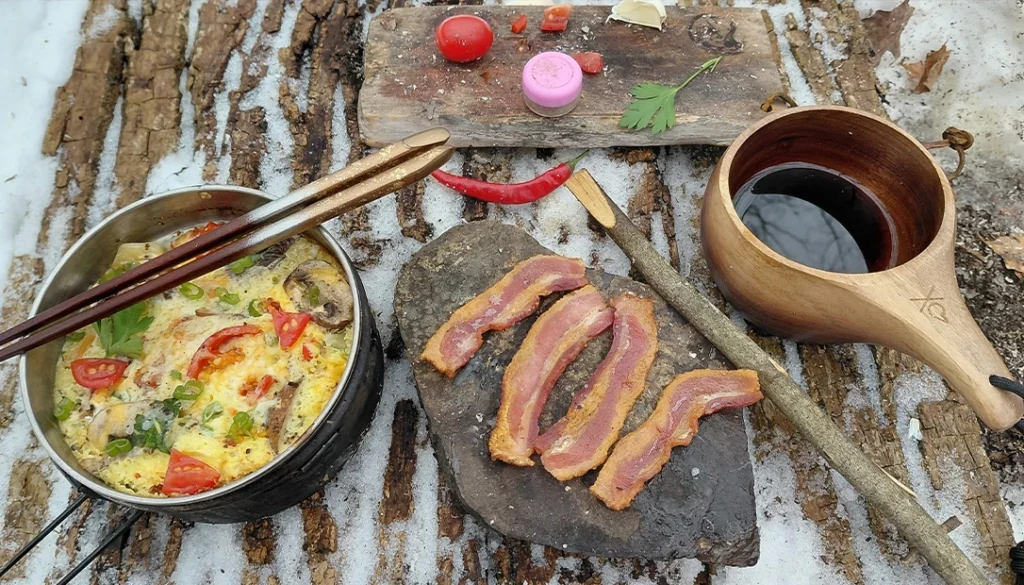
Firecraft is the art of starting, building and maintaining a fire. Knowledge of this skill could be as critical as getting warm after a winter soaking when miles from camp or as mundane as knowing how to bake biscuits in a reflector oven. Knowledge and use of fire and cutting tools are probably the two most critical skill sets in the true outdoorsman’s arsenal. After all, these two things are the reason that human beings are on the planet today.
Advertisement — Continue Reading Below
Obviously, the first thing to know is how to start a fire. This begins with knowledge of the fire triangle, tinder sources and various ignition methods. Ignition can be accomplished using a variety of means: friction-based, spark-based and chemical-based methods are all possibilities.
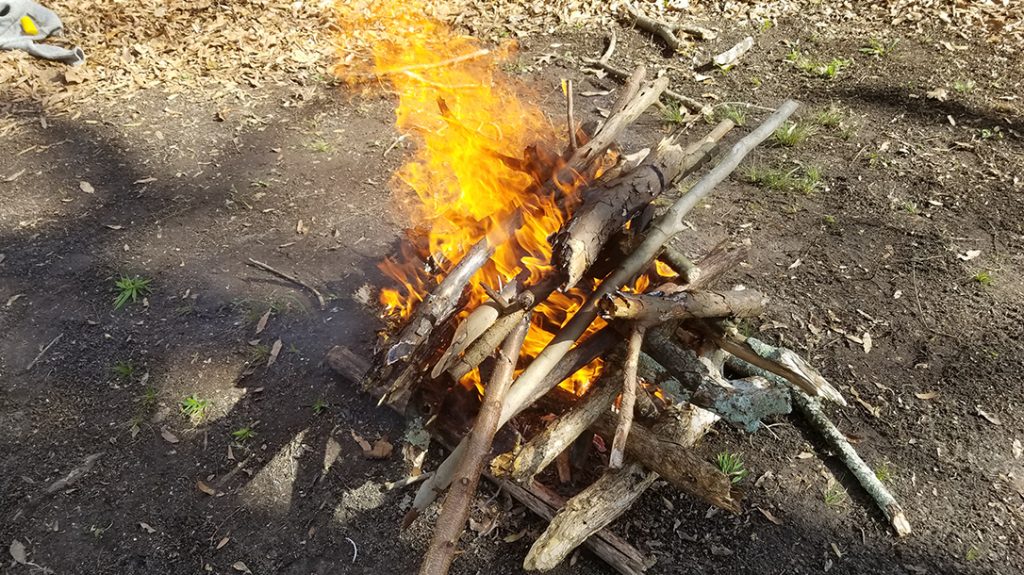
Also important are the various woods and their properties regarding cooking, warmth, signaling and other uses. For example, poplar boils liquids fast. Locust, chestnut and oak burn clean and hot. Pine stumps contain lighter wood, rich in turpentine, that will burn even when wet. Educate yourself by reading, experimenting and taking it to the woods.
Advertisement — Continue Reading Below
Hygiene and First Aid
Ever wonder why the military pays so much attention to neatness (short haircuts and dressed boots, for example), inoculations, dental care, staying in shape and taking care of your feet? It is because they know that personal hygiene is critical to battlefield effectiveness. It’s the same for the outdoorsman. The backcountry is no place to have a health crisis. Small issues can become big problems fast. Things such as blisters, chafing, rashes, insect bites, cuts and scrapes must be prevented or dealt with quickly, otherwise they can be debilitating.
Likewise, a knowledge of basic first aid is important, not only for you, but also for others in your party. What if someone breaks a leg a day away from help? Would you know what to do and exactly how to do it? Sitting at home and watching a video does not take the place of proper hands-on training. You owe it to yourself and those you love to take courses in basic first aid and cardiopulmonary resuscitation (CPR). If you ever need them, you will be glad you did.
Water Procurement and Treatment
Do you know when water is usually safe to drink without treatment? Do you know when or how to properly use filters, disinfecting tablets, or both? And do you understand where to seek water in arid environments? Water is life—literally. A huge portion of our body is composed of water, and dehydration is an everyday threat to humans, even in cities. It is hard to quantify water needs because every person and situation is different. It’s a good rule of thumb that the darker your urine, the more dehydrated you are. Stay hydrated: Once one feels thirsty, the body might already be experiencing up to 1- to 2-percent fluid loss.
Advertisement — Continue Reading Below
Backwoods Navigation
Sure, GPS is great. Be knowledgeable in its use. However, what if it stops working, the batteries die or you drop it into a river? You might not always have it. A traditional compass is simple technology: It always works, and it is usually reliable unless you are in an area with unique geology that affects its accuracy.
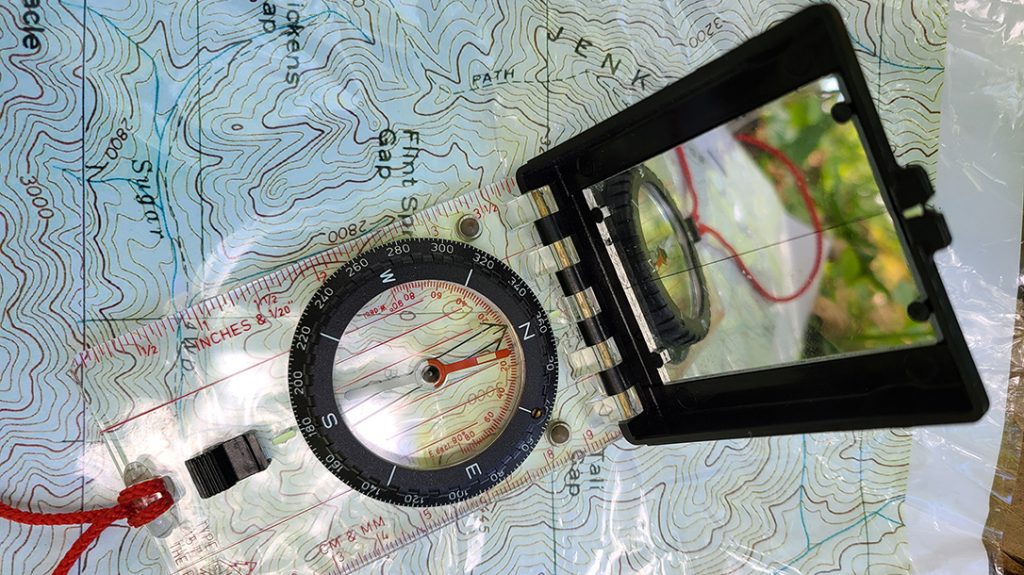
Map reading and/or compass skills can help you identify where you are so that you know where you are going. Using a GPS will never take the place of being able to look at a map and “see” the terrain in your mind, knowing how to use landmarks, or dead reckoning. These are indispensable skills if you really need to navigate off-trail. Knowing how to improvise a compass (with a wristwatch, for example) when you don’t have one should be a skill in every outdoorsman’s bag of tricks.
Advertisement — Continue Reading Below
Dealing With the Extremes
What if you are caught out overnight in a snow squall or rainstorm? Could you quickly and efficiently build or improvise a shelter to protect yourself from discomfort or hypothermia? Better still, do you understand weather lore well enough so that you could be prepared for such a storm well before it strikes? There are many shelter-building options, including lightweight emergency shelters that you can carry when you don’t have a tent. Even more valuable is the knowledge of nature that will allow you to predict and avoid dangerous situations.
It is also important to recognize clothing as integral and important outdoor gear and not just something you wear on your back. Knowing how to choose clothing for a particular climate, trip and set of conditions, and how to effectively layer, is vital to your comfort and safety in the outdoors. Also, educate yourself on the many technologically advanced products that are available.
On the flip side, never underestimate the value of a simple, multi-purpose item like a trash bag!
Advertisement — Continue Reading Below
Camping Well
Ironically, many park personnel do not look favorably on campers because bad campers create extra work for them in the form of bad behavior, damage to resources, litter, irresponsible wildlife encounters, injuries and even death. Knowing how to camp well is an indispensable skill. Important knowledge includes knowing how to choose a campsite and keep it clean, protect limited resources (an understanding of Leave No Trace principles), find wood, safely use fires and stoves, avoid wildlife, pitch a tent, get a good night’s sleep, courteously use trails and other outdoor skills.
Blade Smarts
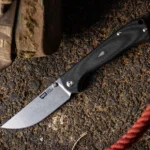
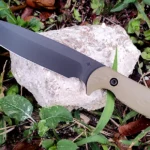
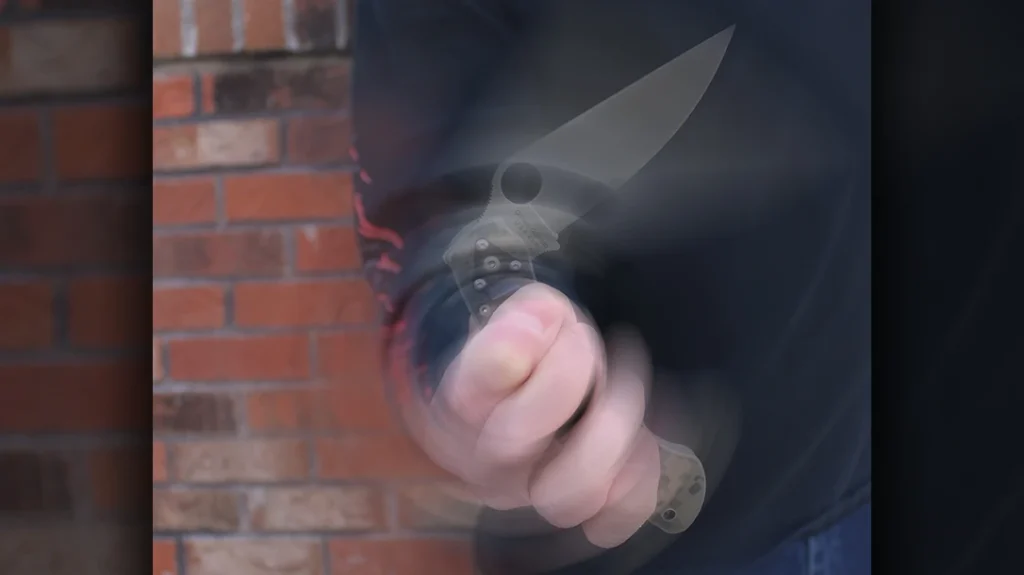
Axes and knives are indispensable tools for the true outdoors person. Many tasks can be accomplished with just a knife—many more with the addition of an ax. With them, a paddle lost in a wilderness dunking can be replaced or a shelter built to wait out bad weather.
A knife is an everyday tool with countless uses, from cutting tent rope to skinning game or preparing food for meals. Choosing a knife is a personal decision, again based in part on expected use and the personal preferences of the user.
Advertisement — Continue Reading Below
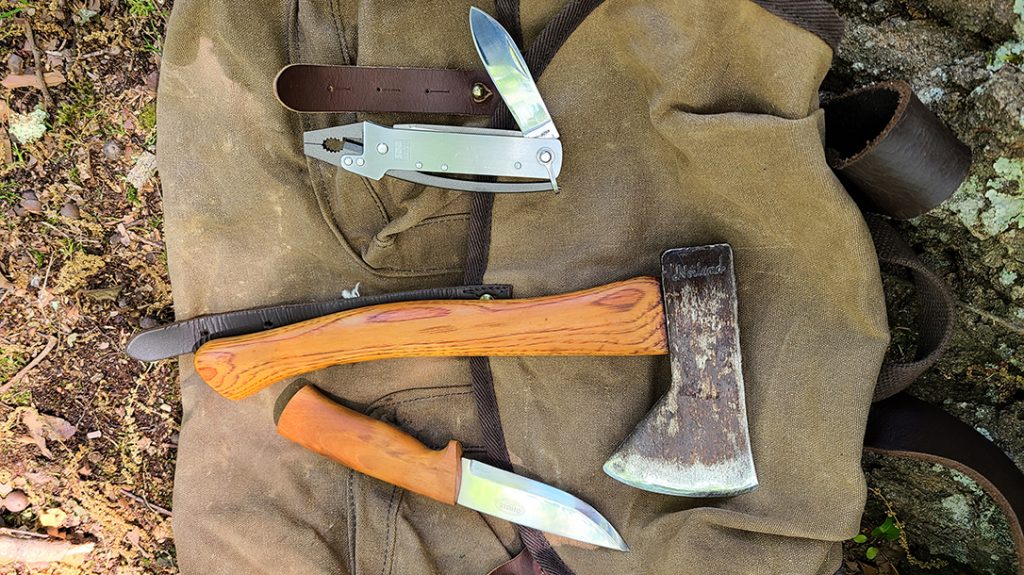
Axes should be chosen with the job in mind. A general rule is the further away from civilization, the bigger the ax. Whether ax or knife, to be useful and safe these tools must be kept sharp and in good working order. If you weren’t lucky enough to grow up learning to use them, training is available.
Hunt, Fish, Trap and Forage
It would be hard to spend an extended period in the woods or wilderness without knowledge of how to hunt, fish, trap, forage and process game. I grew up learning about and doing all of these things. Again, if you didn’t have this opportunity to learn about procuring and processing wild food but want to now, training is available through hunter safety courses and other arenas.
Firearms are tools where proper training becomes a matter of life and death. Learn how to shoot accurately, strive for a clean kill, and always abide by all safety rules and regulations. A knowledge of plant and animal lore is essential for success in hunting, fishing and trapping. A variety of literature and courses are available.
Using Knots
Using knots and lashings is another incredibly useful outdoor skill. You’ll use them to put up tarps and tents, hang bear bags, tie up boats and canoes, lash shelters together and tie loads onto cars and trucks, as well as for many other purposes. As for training, this is an easy one. There are tons of instructional videos and animations online. It also never hurts to have a primitive equivalent in your skills arsenal, such as improvising lashings from appropriate plant materials, such as hickory withes, when building a shelter.
Master the Art of Travel
Being able to travel well is a skill unto itself. Much is rooted in being prepared and proper and efficient packing. The rest is attitude and realizing that the journey is just as much a part of travel as the destination.
How to properly pack and use a backpack is a critical skill, as is fitting the pack to the person in the first place. Knowing torso length (the measurement from the C7 vertebrae in the neck to the iliac crest) is critical to a proper fit. Make sure you are getting the right size pack before any purchase.
BONUS SKILL: Make Your Own Tools and Equipment
Making your own gear by hand not only saves money, it also gives you knowledge and patience—important outdoor skills in their own right. Leatherworking to make a knife sheath, blacksmithing a hook or fire striker, sewing, tanning deer hides or making a bow or an ax handle, are activities that do not end with the finished items.
Now you have the knowledge and ability to make more! Confidence grows along with your skill level, leading to more knowledge and the acquisition of more complex skills. Practice your outdoor skills, go to the woods and never stop learning!