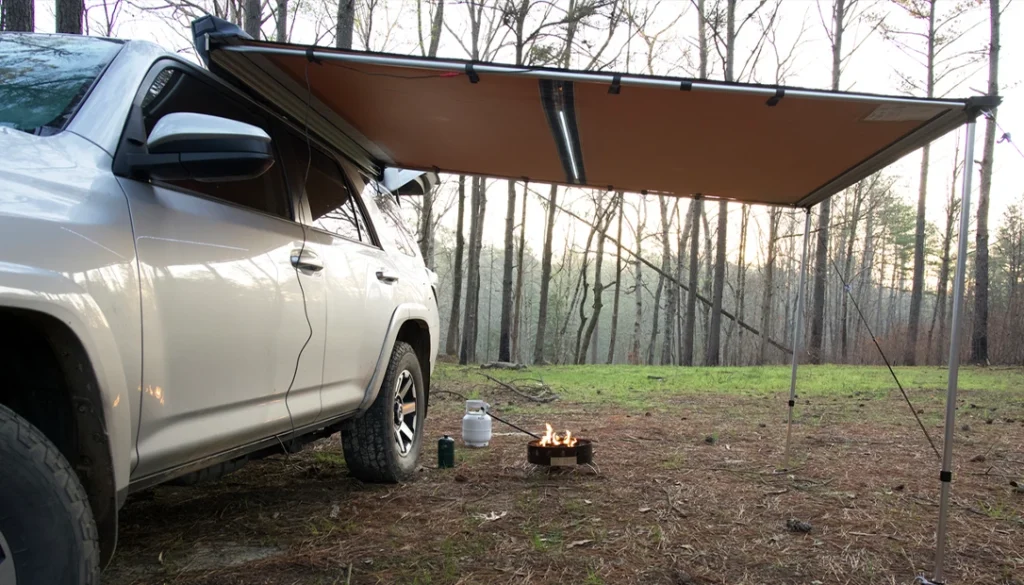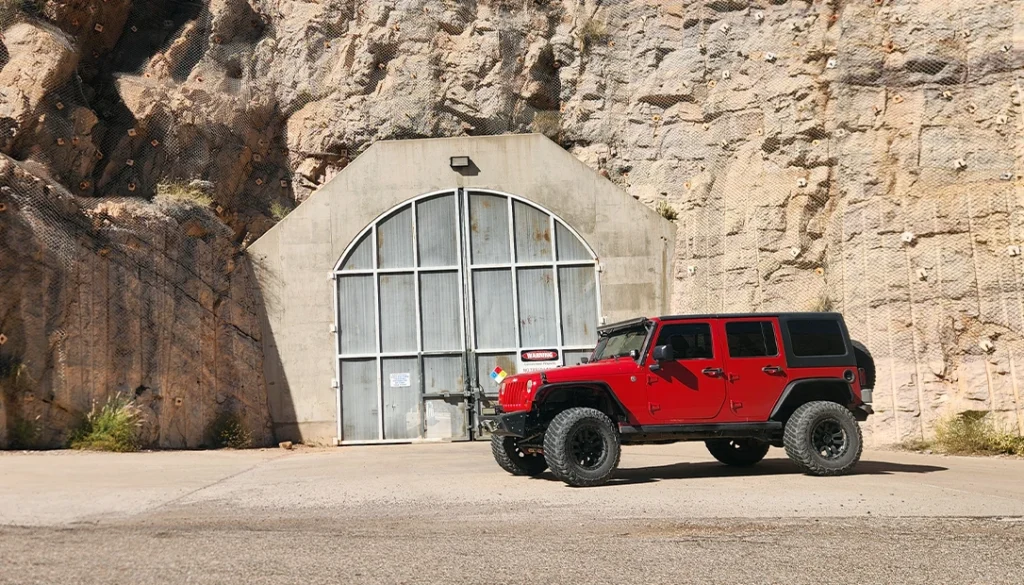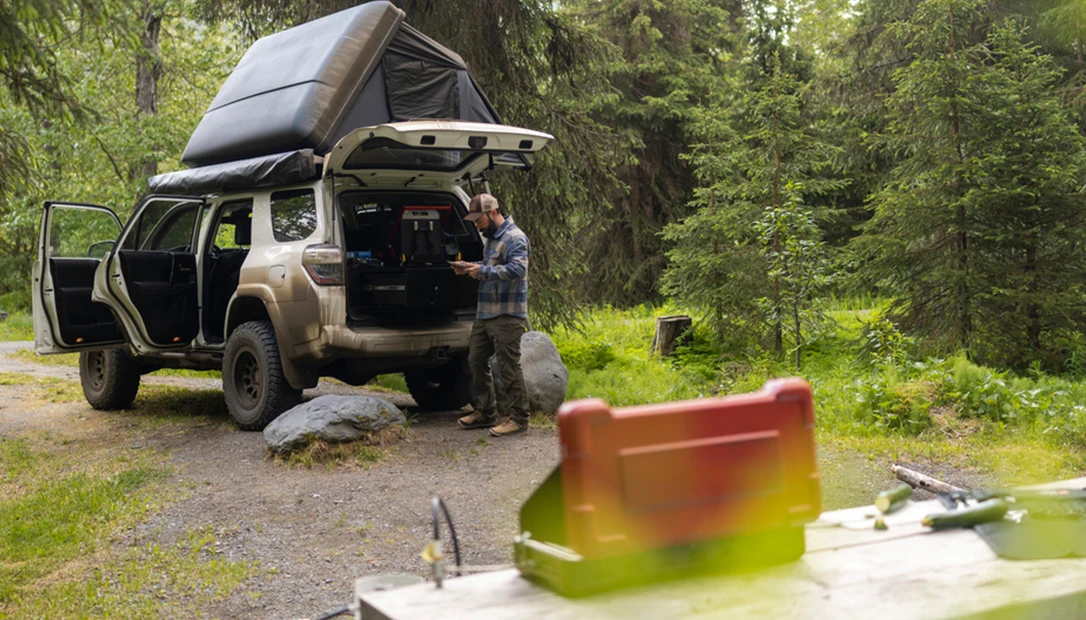
Let’s be honest: we’ve all been there. You’ve spent twelve hours wrestling your rig through a rock garden that would make a mountain goat rethink its life choices. You finally find the perfect campsite, ya know, the kind with a view that makes Instagram influencers weep, and now you’re starving. You go to the back of the truck to whip up a celebratory feast, and what happens? You spend forty-five minutes digging through a plastic bin for a spatula that has somehow migrated to the bottom of a 20-gallon water jug. By the time you find the salt, you’re eating cold beans out of a can like a depressed hobo.
Gentlemen, this is not “living the dream.” This is a logistics failure. If you want to actually enjoy the wild, you need to master the Ultimate Overland Kitchen.
Advertisement — Continue Reading Below
The Logistics
The Ultimate Overland Kitchen isn’t just a fancy stove and a compass sticker. It’s a philosophy. It’s the realization that if your gear isn’t organized, you aren’t “camping,” you’re just moving your junk from the garage to the woods. The goal here is a galley that deploys faster than you can crack a beer.
You need galley logistics that account for the three horsemen of the camping apocalypse: hunger, darkness, and the inevitable “where the hell did I put the lighter?”
When we talk about galley logistics, we’re talking about “Mise en Place,” which is French for “get your crap together.” Everything needs a home. If your spices are rolling around in the same drawer as your recovery snatch block, you’ve already lost the war. You want a setup where you can reach for the tongs without looking, because you’re too busy staring at the sunset and looking ruggedly handsome.
Advertisement — Continue Reading Below
The Foundation: The Slide-Out Soul
The heartbeat of the Ultimate Overland Kitchen is the slide system. If you’re still lifting heavy-duty totes out of your bed like you’re doing a CrossFit workout, stop it. Your lower back hates you.
A proper galley uses heavy-duty, locking slides. We’re talking about the kind of hardware that could support a small elephant. Brands like Nomad Kitchen or OVS have turned galley logistics into a literal science. You pull a handle, and a three-tier workstation emerges like a Transformer. One slide for the fridge (because lukewarm IPAs are a crime), one for the stove, and a pull-out cutting board for the onions you’re definitely going to pretend aren’t making you cry.
The Ultimate Overland Kitchen thrives on this modularity. When your kitchen slides out, it creates a “U-shape” workspace. You stand in the middle, the king of your culinary domain, protected from the wind by your tailgate. It’s efficient, it’s sleek, and it makes you look like you know exactly what you’re doing, even if you’re just boiling water for instant ramen.
Advertisement — Continue Reading Below
The Fridge: The Cold, Hard Truth
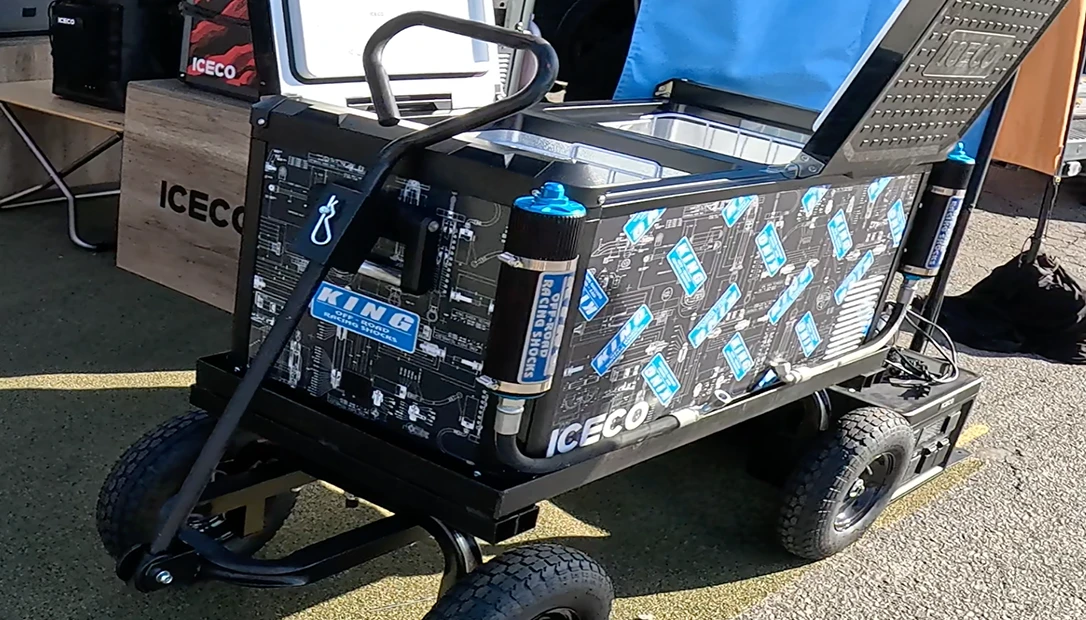
Let’s talk about ice. Ice is for people who like soggy sandwich bread and “mystery water” at the bottom of their cooler. If you’re building the Ultimate Overland Kitchen, you’re buying a 12V fridge. Period.
Modern galley logistics revolve around power management. You need a dual-zone fridge so you can keep the steaks frozen and the beers at a crisp 34 degrees. It’s the ultimate flex. While the guy in the Jeep next to you is frantically draining his melted ice like a sinking ship, you’re pulling a perfectly preserved ribeye out of your Dometic. It’s not just a luxury; it’s a morale booster. And in the great outdoors, morale is everything.
Advertisement — Continue Reading Below
Cooking with Fire (and Minimal Cursing)
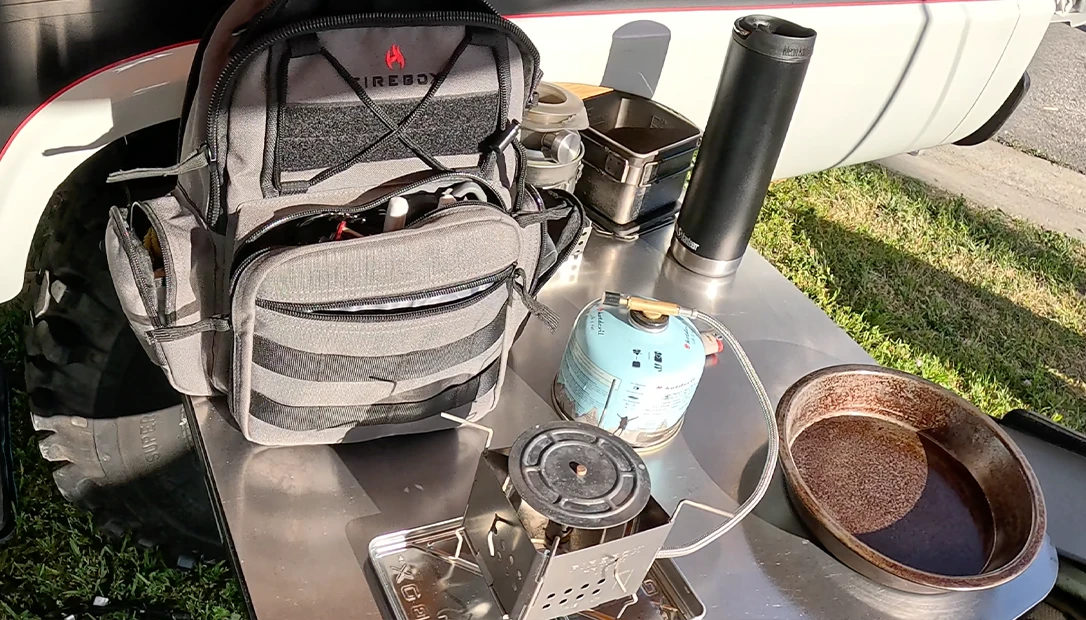
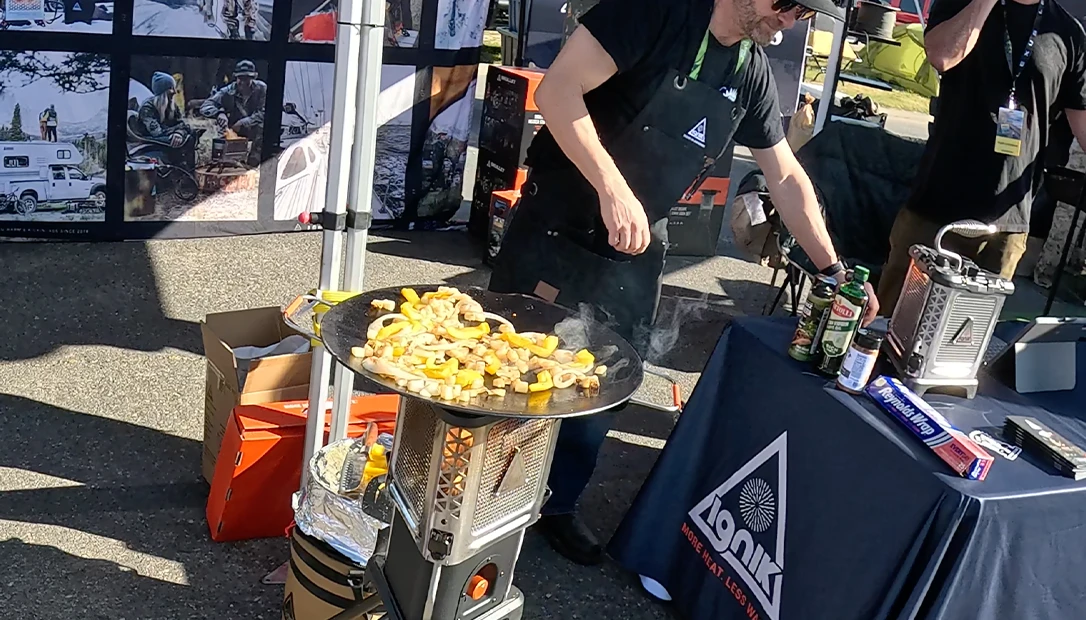
A key component of the Ultimate Overland Kitchen is the burner. You need BTUs, my friends. You need a flame that can withstand a 30-mph gust of wind without flickering out. Partner Steel stoves are basically the M1 Abrams of the cooking world: aluminum, indestructible, and capable of searing a steak in a hurricane.
But here is where the galley logistics get tricky: fuel. Don’t be the guy who brings those little green propane bottles that end up half-empty and rolling around your floorboards. Mount a 5lb refillable tank to your rack. It’s cheaper, it’s greener, and it makes you look like a pro who actually plans his trips instead of winging it at the last gas station.
Advertisement — Continue Reading Below
The “Rattle” Factor
Nothing ruins a beautiful trail drive like the sound of twenty metal forks screaming in a plastic box every time you hit a bump. Part of mastering galley logistics is soundproofing.
The Ultimate Overland Kitchen uses tool rolls or foam-lined drawers. Every spoon, spatula, and serrated knife should be snug. If your kitchen sounds like a skeleton having a seizure in a dryer while you’re driving, you need to re-evaluate your life choices. Use soft-sided organizers like those from Step 22 to keep the heavy stuff from shifting. Silence is golden; hearing your cast-iron skillet play percussion against your wheel well is not.
Advertisement — Continue Reading Below
Water: The Liquid Gold
You can live without a fancy stove, but you can’t live without water. Well, you can, but you’ll be very grumpy and dusty. The Ultimate Overland Kitchen integrates water storage into the flow. Whether it’s a RotopaX on the side or a built-in tank with a 12V pump, you need a dedicated “wet zone.”
Your galley logistics should include a quick-connect hose for a sprayer. Why? Because washing dishes in a bucket is for pilgrims. Being able to blast the grease off a pan with a pressurized nozzle makes the cleanup phase, the part we all hate, actually bearable. Plus, it doubles as a shower when you realize you haven’t seen a bar of soap in four days and you’re starting to smell like a wet Labrador.
The Workspace: Size Matters
The biggest mistake rookies make with the Ultimate Overland Kitchen is forgetting about prep space. You have a stove and a fridge, but where do you actually chop the garlic?
You need a drop-down table on your swing-away tire carrier or a slide-out bamboo board. Good galley logistics ensure that your prep area is at waist height. Nobody wants to prep dinner on their knees in the dirt. You’re a chef, not a gardener. A solid, flat surface is the difference between a gourmet meal and a “dirt-infused” disaster.
Lighting: Don’t Cook in the Dark
If you’re squinting at your burger patty with a dying headlamp, you’ve failed. The Ultimate Overland Kitchen needs integrated LED lighting. Mount some rock lights or LED strips under your hatch or along your rack.
When your galley logistics include high output, warm-spectrum lighting, camp becomes a sanctuary. You can see the marbling on the meat, you can see where the salt is, and most importantly, you can see if a bear is trying to sneak a side of taters … potatoes!
Conclusion: More Than Just Gear
At the end of the day, the Ultimate Overland Kitchen is about freedom. It’s about the ability to stop anywhere: a cliffside in Utah, a forest in Oregon, or a beach in Baja and create a moment of civilization in the middle of nowhere.
When your galley logistics are dialed in, the “work” of camping disappears. You aren’t fighting your equipment; you’re using it. You become the guy who isn’t stressed, the guy who has a cold drink ready in thirty seconds, and the guy who serves a meal that actually tastes better than what you get at home.
So, ditch the plastic bins. Stop the rattles. Invest in some slides. Build the Ultimate Overland Kitchen you deserve. Your stomach (and your sanity) will thank you, and so will the rest of your family that you’re cooking for.