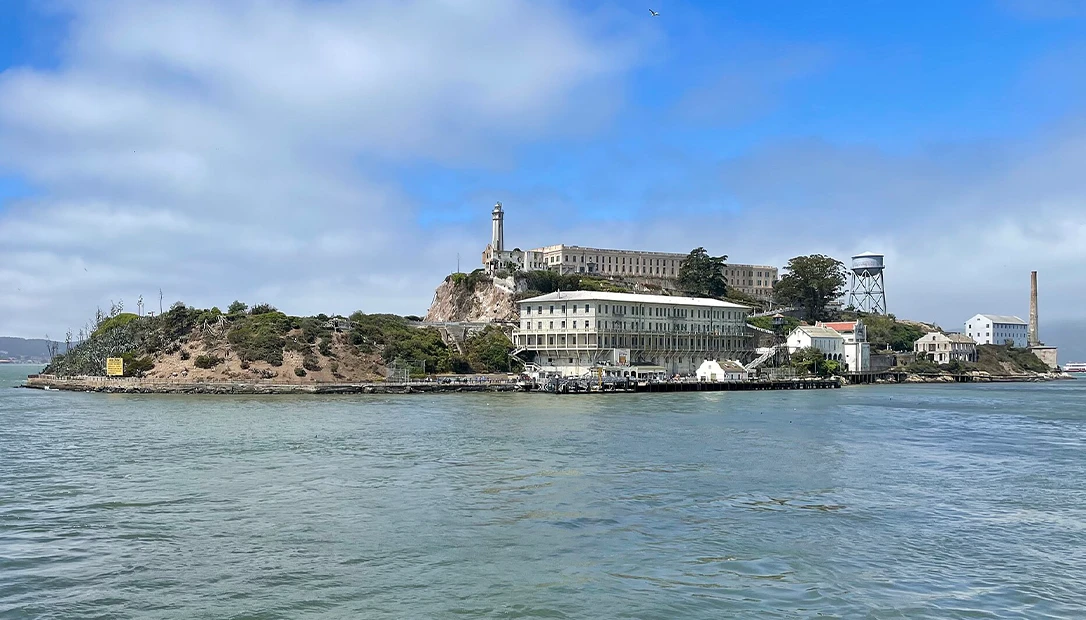
St. Helena isn’t exactly the island paradise many picture when heading off to an exotic vacation. The 47-square-mile tropical island lies in the middle of the South Atlantic, about 1,200 miles west of Angola. Getting there isn’t easy, and that’s probably why the British sent Napoleon Bonaparte there in 1815.
The island’s extreme isolation served as the perfect spot to exile the French general and statesman after his defeat at the Battle of Waterloo. Confined to his home under strict supervision, Bonaparte died there six years after first setting foot on this isolated spit of land.
Advertisement — Continue Reading Below
Life in an Island Prison
Through the years, the British used the territory for shipping, trade, and other purposes – including housing over 6,000 Boer prisoners of war in 1900 and 1901. While St. Helena may not officially be an island prison, the rocky patch of land proved to get the job done.
Islands have served as effective places to detain prisoners or enemies of a country’s current regime. An inhospitable environment surrounded by miles of open waters – and potentially sharks – can be a natural jail preventing inhabitants from escaping. Here’s a look at some of the world’s island prisons and what makes them tough spots to be given a one-way ticket.
Advertisement — Continue Reading Below
Alcatraz (California)
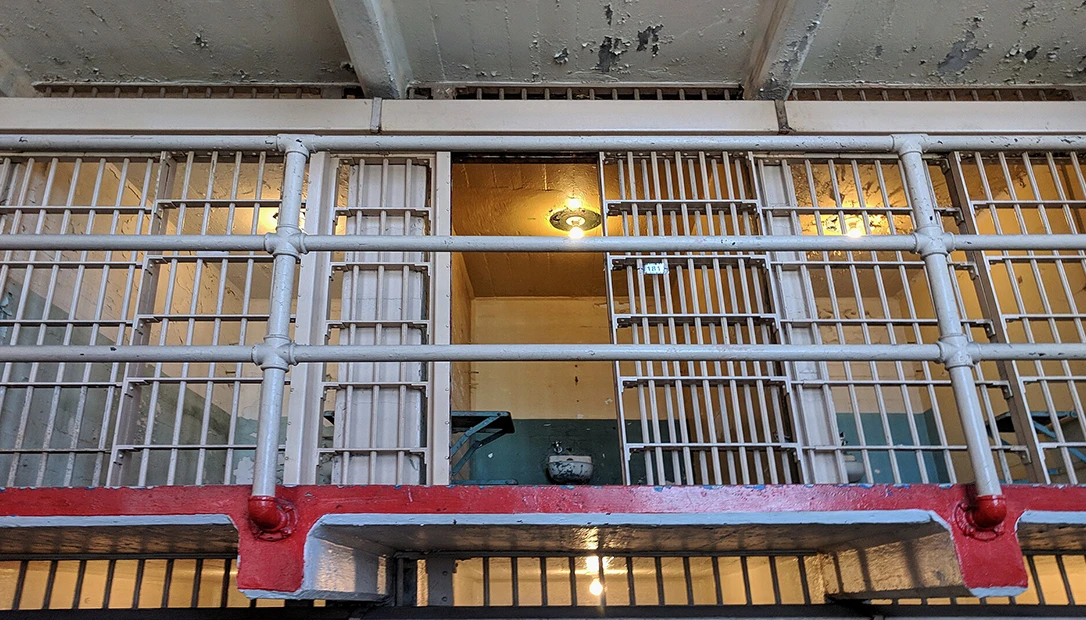
Perhaps the world’s most famous island prison, this 22-acre rock housed a federal penitentiary from 1934 to 1963. The island is located just over a mile from San Francisco, and the cold waters, strong tides, potential shark presence, and extreme conditions made Alcatraz virtually impossible to escape.
Not that prisoners didn’t try. The island saw numerous attempts in 26 years of operation, but finding freedom proved just too tough. In 1962, Frank Morris, John Anglin, and Clarence Anglin devised a complex scheme to exit the prison that included using a homemade raft to cross San Francisco Bay.
The escapees’ bodies were never found, and they were presumed to have drowned. The same year, another prisoner actually made it to shore, but was found unconscious and in hypothermic shock. Not long after, he was sent back to the slammer.
Advertisement — Continue Reading Below
The eerie prison fortress has served as inspiration for several films, including The Rock (1996), starring Sean Connery, and Escape from Alcatraz (1979), starring Clint Eastwood. The latter film was based on Morris and the Anglin brothers’ attempt.
In the real world, Alcatraz was home to some of the country’s most hardened criminals – from Al Capone to “Machine Gun” Kelly to James “Whitey” Bulger. The prison ultimately closed because operating it cost the federal government too much.
Alcatraz has been in the news quite a bit recently, as President Trump has pushed to revive the island as a prison. Until then, visitors can take a tour for about 50 bucks.
Advertisement — Continue Reading Below
Devil’s Island (French Guiana)
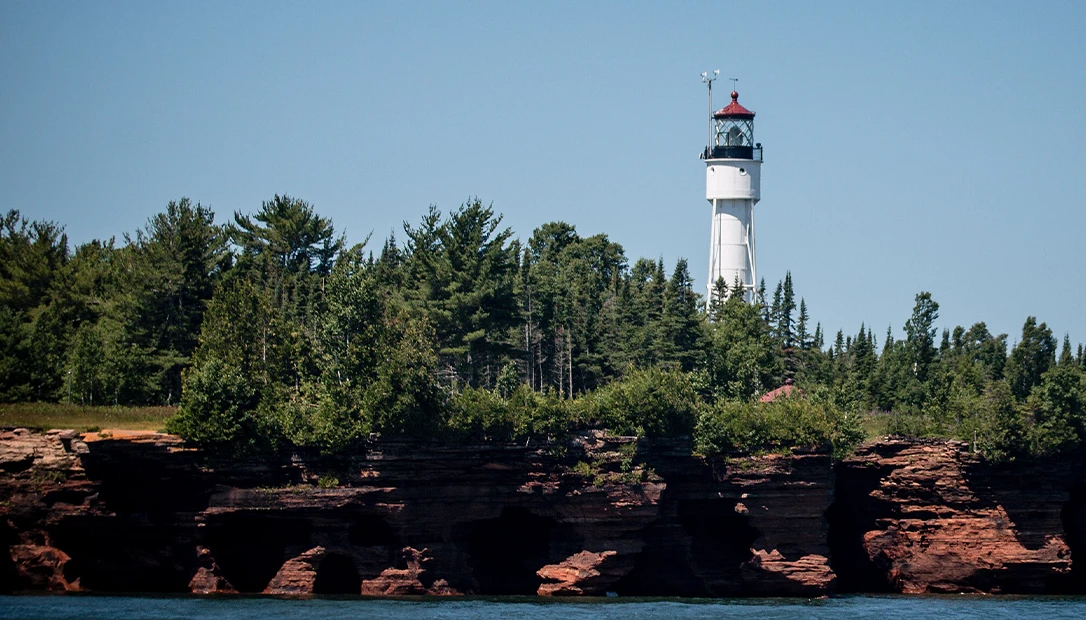
Rough treatment, hot and humid tropical weather, and rampant disease. This was the environment prisoners faced on Devil’s Island, which served as a French penal colony from 1852 to 1952 and certainly had a fitting name.
Convicts and political prisoners from across the French Empire could wind up on this 35-acre deserted island off the east coast of French Guiana in South America. The French went the extra mile on this prison system, with prisoners not only locked up on Devil’s Island, but also on surrounding areas, which are all part of the more ironically-named Salvation Islands.
Advertisement — Continue Reading Below
Prisoners were also found on the neighboring Royale and Saint-Joseph islands, as well as on the French Guiana mainland. This was no minimum-security tropical island getaway. The islands were surrounded by shark-infested waters and strong waves and currents, making an escape difficult.
Even if one could escape, the mainland wasn’t much better – with thick jungle, insects, wild animals, venomous snakes, and other harsh conditions. The isolation on Devil’s Island reportedly drove many prisoners mad.
“France wanted to eliminate as far as possible from the French mainland its undesirables,” Alexander Miles, author of Devil’s Island: Colony of the Damned, told the History Channel. “French Guiana became the principal and most notorious penal colony that France was running in the 19th and 20th centuries.”
Advertisement — Continue Reading Below
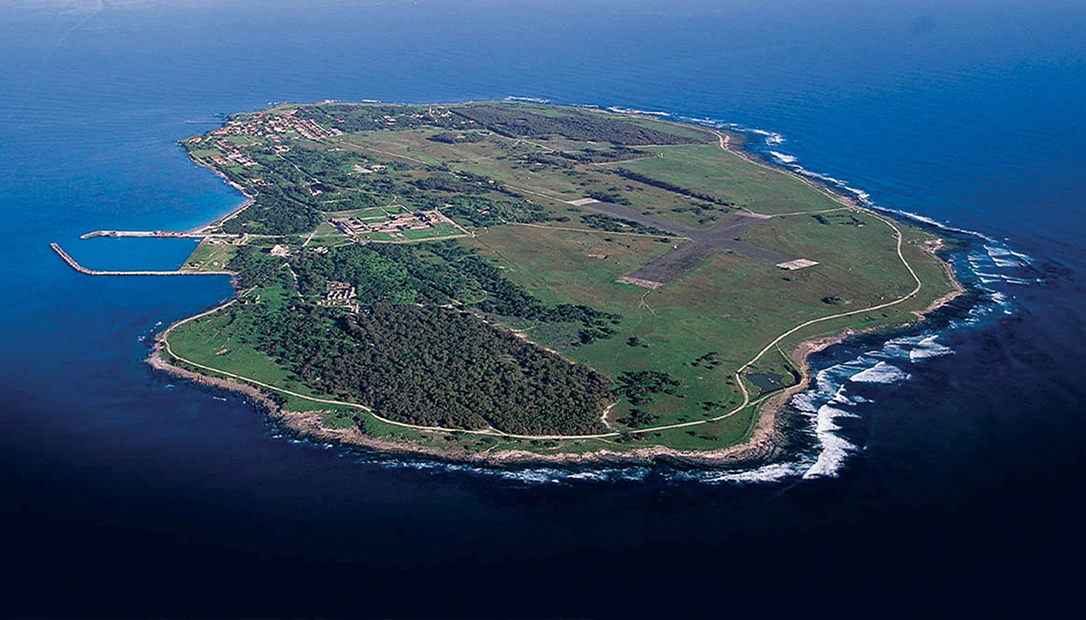
Robben Island (South Africa)
This flat island just off the coast of Cape Town in Table Bay is just two miles long and a bit over one mile wide. Fortified in the late 17th Century and served as a prison until 1996, housing prisoners from Dutch colonies.
The island was also controlled by the British at times, and African leader Makanda Nxele was sentenced to life on Robben Island in 1819 for his role in an uprising in the South African town of Grahamstown, then known as Cape Colony. A year later, he and 29 other prisoners attempted to escape. Makhanda and all but four others drowned in the bay, and his body was found washed ashore.
In the 20th Century, the facility housed political prisoners opposed to apartheid. The best known of those was South African leader Nelson Mandela, who was held on the island for 18 years and who ultimately served 27 years in confinement before apartheid fell in 1994. Mandela and his fellow African National Congress prisoners used a small courtyard in the prison to plant a garden, a sense of normalcy in an unreal environment.
“To plant a seed, watch it grow, to tend it and then harvest it, offered a simple but enduring satisfaction,” Mandela later said. “The sense of being the custodian of this small patch of earth offered a taste of freedom.”
The prison was officially closed two years later, and Mandela served as the country’s first black elected president from 1994 to 1999. Visitors can now tour the island and experience the surroundings first-hand.
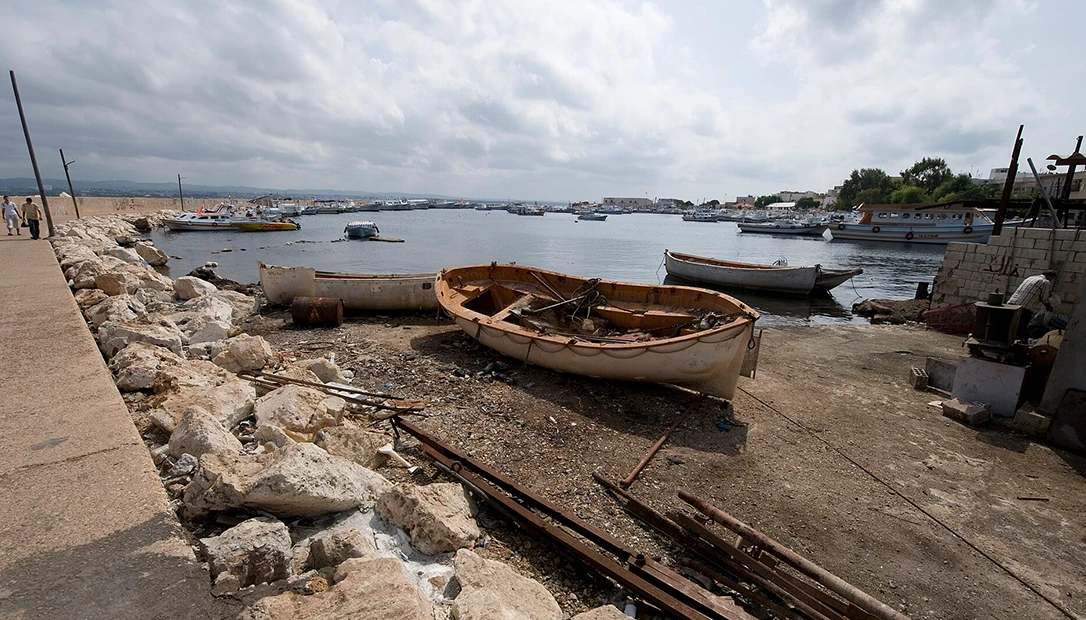
Arwad (Syria)
This tiny isle off the coast of Syria is now mainly used for fishing, but at one time served to house French prisoners. Arwad was settled by the Phoenicians in the Third Century and has served as a fortress and trading post for generations.
By the 13th century, Egypt controlled the island, and it was later transferred to Persia. The Romans also took the territory at one point, and Arwad served as a refuge for some who escaped the mainland invasion during early times.
The French set up on the island in 1915 as World War I raged across Europe. That included using the on-site fortress dungeons as a prison for those opposed to the French. The walls of some cells in the citadel are still emblazoned with graffiti of the nationalists who were locked up there.
The island was ceded back to Syria after World War II. The territory attracted some tourism, but that took a severe dip after the Syrian Civil War broke out in 2011. No fighting reached the island, however, and about 5,000 people still call Arwad home – just not behind bars.
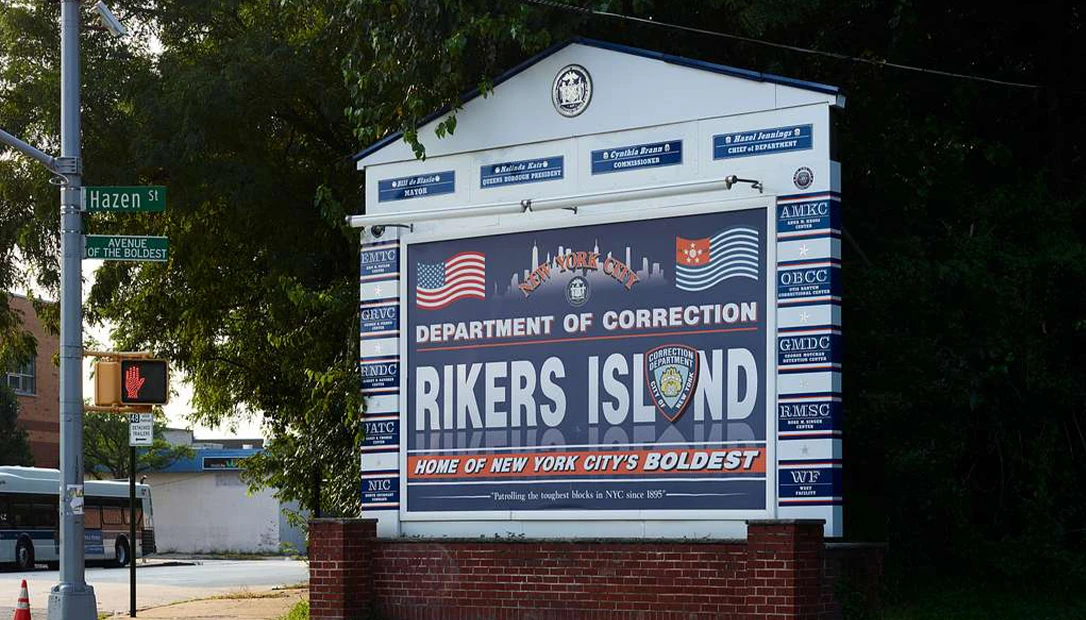
Rikers Island (New York)
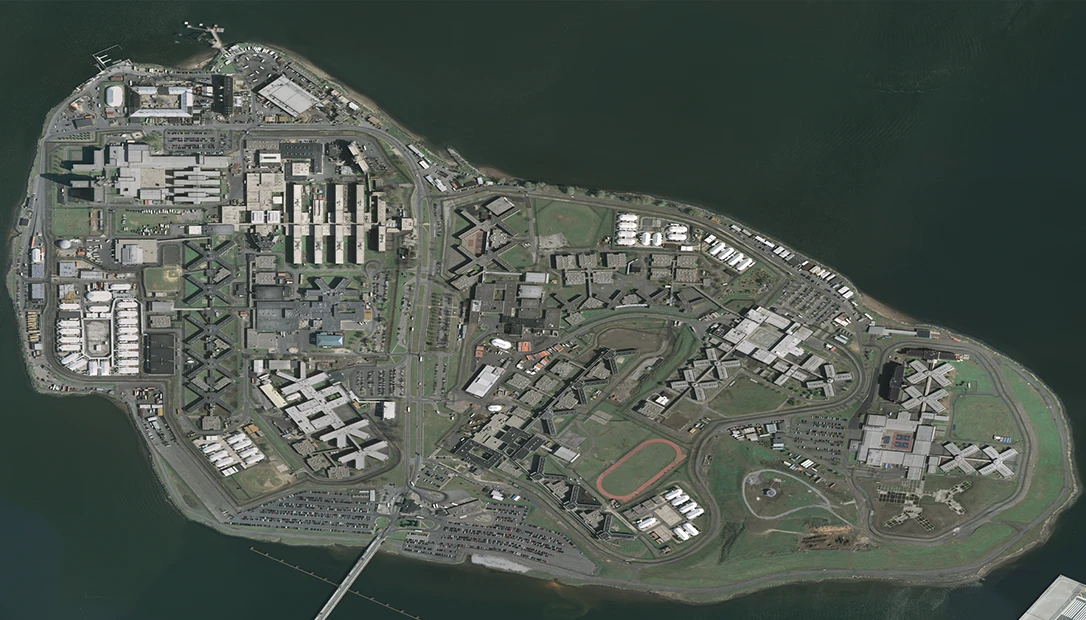
While Alcatraz may not be open in the U.S. (yet), there is another well-known island prison in the U.S. that continues to house criminals. Rikers Island is located on the East River in the Bronx, New York, and is home to the Empire State’s largest jail.
Rikers was originally 100 acres, but it eventually grew to 415 acres thanks to convict labor expanding the island by dumping ashes for a landfill. The jail currently houses about 7,000 people, but that has reached as high as 10,000 in years past.
Detainees are kept in several corrections complexes on the site, including those for males, females, and juveniles. Most Rikers guests are there for short stays, awaiting trial or bail.
Along with the correctional facility, the island also hosts a mental facility and an infirmary. The jail has a reputation for violence, and this is not a place you want to end up. Because of the violence and rising costs to operate the facility, the New York City Council voted to shut Rikers down by the end of this year.