Knives are one of, if not the best, tools you can have in your possession. They’re useful in a wide cross section of categories, from hunting and fishing to meal preparation, to personal defense, around-the-house needs, and even just whittling to help pass the time. However, improper knife use may put your trusty blade at risk of failure.
Protect Your Investment by Avoiding Improper Knife Use
Knives offer a great deal of diversity in size, weight, construction materials, and overall design. But the one characteristic they all share is that they can be ruined in more ways than you may realize. Here, we’ll cut deep into the problems that could make your knife dull, unsafe, or ineffective. Likewise, we’ll help hone your skills to keep them in tiptop shape moving forward.
Knife to Surface Damage
Although you may be cutting or slicing through the proper material, what’s underneath it all matters greatly. Hard surfaces, like stone, metal, ceramic, marble, and even glass, fight hard against the fine edge of a knife. As such, the blade can dull quickly or even chip under regular use.
Advertisement — Continue Reading Below
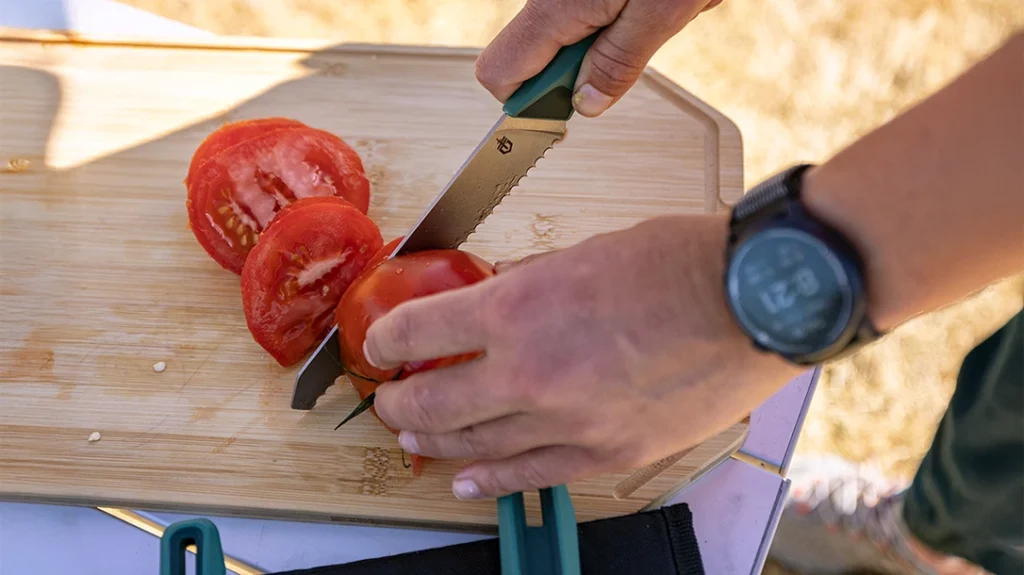
These surfaces have very little to no give when the blade impacts downward, resulting in a damaged knife. Whenever possible, implement cutting boards made from wood or plastic into your daily cutting routine. These materials give under the force of the blade and help retain their edge and decrease the risk of the knife being permanently damaged.
It’s Not a Multitool
Most multitools include a knife blade with their other dozen or so tools. However, a knife itself is not a multitool and shouldn’t be treated as such. Knives are for slicing, cutting, and in some cases, puncturing material.
Advertisement — Continue Reading Below
They are not intended to be used to loosen a screw when a driver is unavailable. Likewise, they are not intended to pry up industrial staples from a cardboard box, serve as a handle by gouging your knife into thick material, or pound raised nails with their handles.
All these actions will undoubtedly damage your knife. The tip can chip, the blade can snap, or the handle can crumble within your grip. Use your knife as it’s intended and take the time to find the right tool for your job.
Incorrect Sharpening or None at All
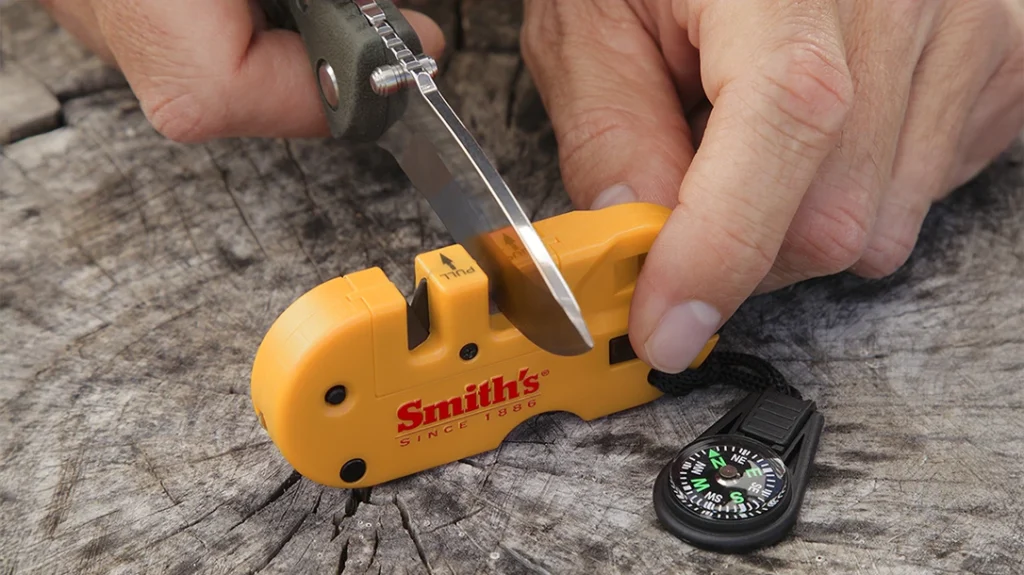
Both improper sharpening and failure to sharpen can wreak havoc on a blade. Poor sharpening skills can cause too much metal to be removed. This can cause blade deformation. Additionally, when sharpening is ignored, you risk excessively bent or rolled edges, which can damage the metal and pose a safety risk to you.
Advertisement — Continue Reading Below
The more you use the knife without sharpening it, the more the folds can become worse and lead to actual breaks or splits in the metal. In most cases, you can excessively grind the edge to restore it. However, if you don’t correct your sharpening habits, history is prone to repeat itself.
Letting the Machine Clean Them
Dishwashers are modern marvels that let mechanics and technology wash your dishes. This saves time for you, and your dishes come out sparklingly clean. With that being said, a dishwasher is not the way to keep your go-to knife clean.
Advertisement — Continue Reading Below
Dishwashers use a combination of intensely hot water and heavy detergents to remove the gunk from your dishes. Most field knives cannot handle these extremes. Handle materials can break down with harsh cleaning chemicals, and detergent particles can wear down a knife’s sharp edge. Your simple solution is to wash your knives by hand and dry them thoroughly.
Failing to Remove Dirt and Grime
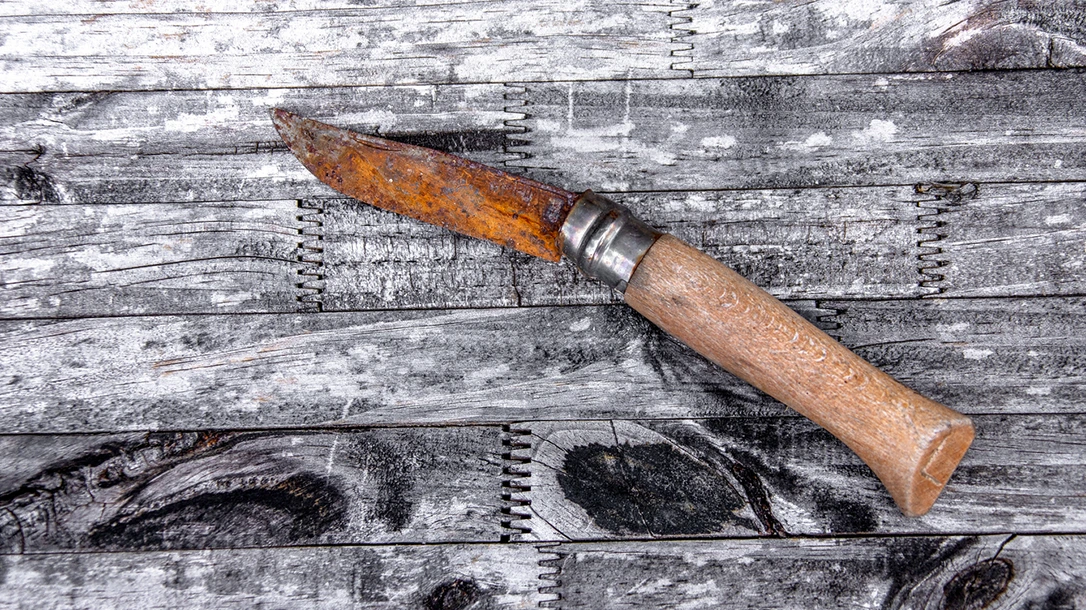
Thinking your knife is clean and immediately putting it into its sheath can cause problems down the road. All types of residue, even those you can’t see with your naked eye, can corrode steel, incur rusting, and harbor microscopic organisms like bacteria and molds.
For example, your knife could be used to shave tinder, chop vegetables and meat for dinner prep, and cut cordage for setting up shelter. A quick wipe of the blade against your pant leg isn’t the way to clean it.
Advertisement — Continue Reading Below
Instead, wash it gently in warm soapy water, rinse it thoroughly, and dry it prior to storage. This ensures a clean, germ-free blade. Furthermore, if you happen to get a small cut with an un-sanitized blade, you run the risk of Tetanus. So, keep your knives squeaky clean.
Improper Storage Habits
Damage to knives isn’t always caused when they are in-use. In fact, many problems arise long after you finished your tasks. First, nearly everyone has their “Junk Drawer” in their home, usually in the kitchen. If you throw your knife in there after use, you run the risk of the blade, tip, and handle getting knocked about as the drawer is continually opened and closed.
Advertisement — Continue Reading Below
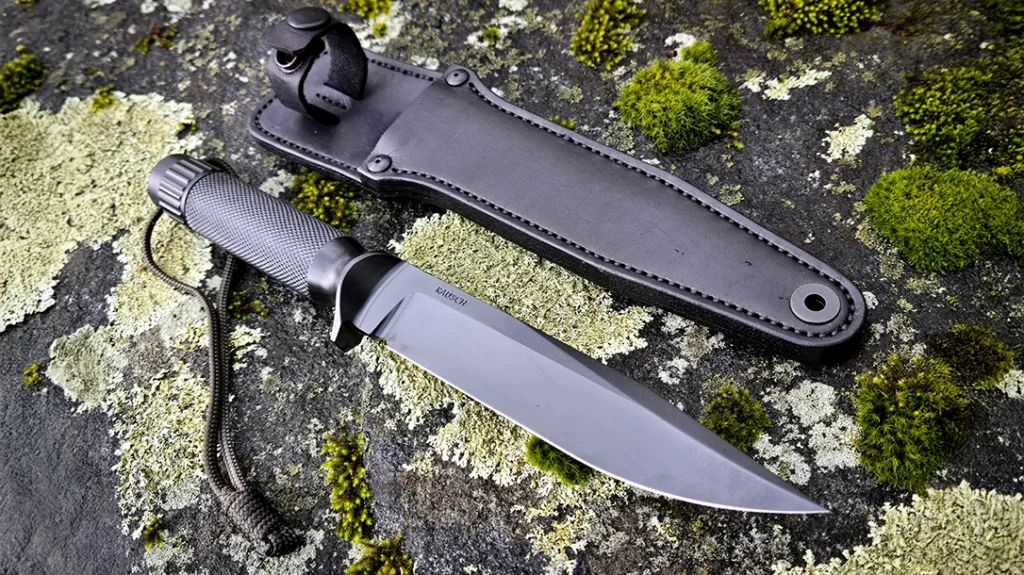
Also, if you store your blade in its leather sheath for a long time, the leather will begin to absorb and trap moisture, leading to rust, corrosion, mold, and possibly staining of the blade. Additionally, acidic chemicals used to stain the leather can damage steel over time.
If you’re storing your knife for a long while, consider a Kydex sheath or other non-absorbent variety. Or scrap the sheath entirely and hang it from a high-quality magnetic knife holder.
Wrong Knife, Wrong Job
Similar to a knife not being a multitool, this bad habit entails using the wrong knife in the wrong situation. A person might wonder why it’s a problem, thinking any sharp knife would do in most cases. The simple answer is that knives are not universal in function. Most are created to perform a certain type of slicing, cutting, hacking, or more precise and finesse work.
You could damage the blade by using too much force or chipping serrations when a straight-edge blade is best. Additionally, snapping the blade in half is a very real possibility when trying to hack through bone or other hard materials if the knife you choose is too rigid or ultra-thin.
You may have to buy a few new knives to ensure you use the correct one. However, the alternative would be to keep replacing your go-to knife, which keeps getting damaged.
Overall Recklessness
If you treat your knife properly, it will repay you year after year with reliable use. However, if you are reckless or generally apathetic toward its care, it won’t be around for long. Dropping your knife repeatedly will most likely result in a chipped tip, blade damage, or a broken handle.
When you’re outside and using your knife, throwing it into the ground between uses will allow dirt, grime, and moisture to adhere to the blade. If not cleaned, you know full well what could happen. Finally, tossing it into your toolbox or the bed of your truck at the end of the day would definitely damage the handle or blade over time.
Care Equals Long-Term Use
There are many ways your knife can fail, more than most people realize. However, with some basic knowledge of sharpening, storage, and best practices for cleaning, your go-to knife will continually perform when it’s most needed for many years to come.