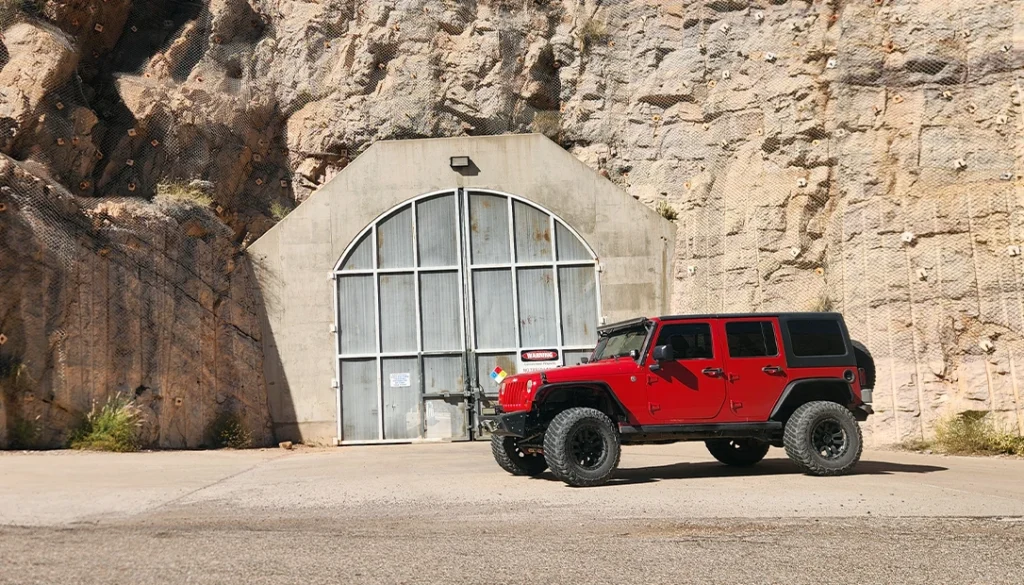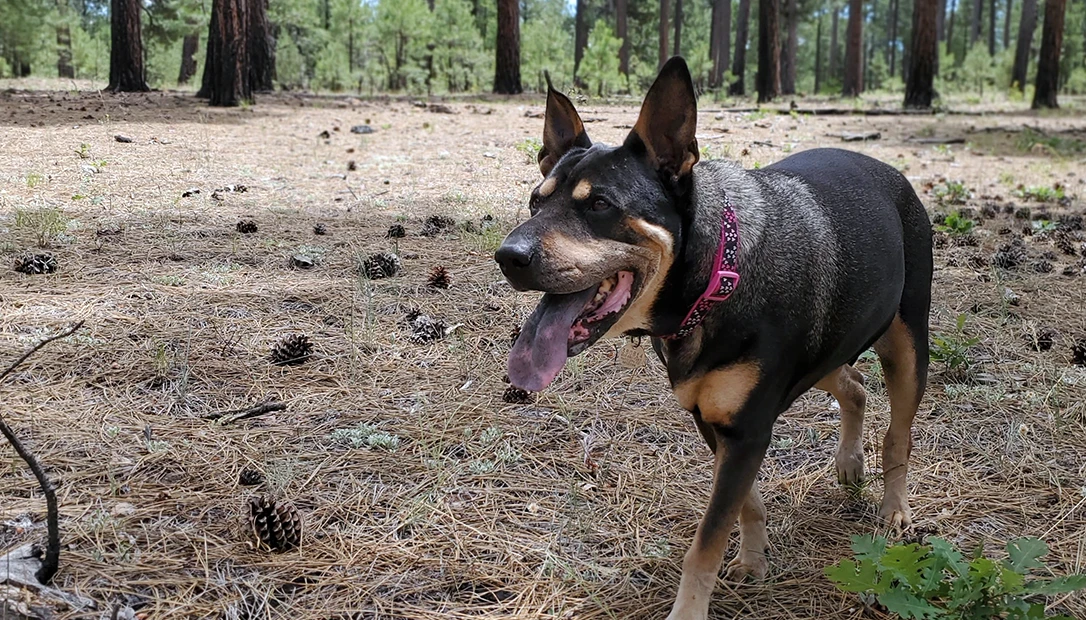
For many of us, the call of the wild is never answered alone. No matter if you are on a remote overlanding trail or just hitting the path on your local butte at dawn, it would seem that most of us bring along our canine companions. But let’s be honest, they are so much more than just a “pet” to us; in fact, the word pet seems more of a derogatory term these days, as they really are more our buddy, our pal, our comrade, our mate, our confidant, some might simply say, our co-pilot. And we would protect them with all we’ve got. Let’s talk about dog safety and how to ensure they stay safe regardless of the environment they find themselves in.
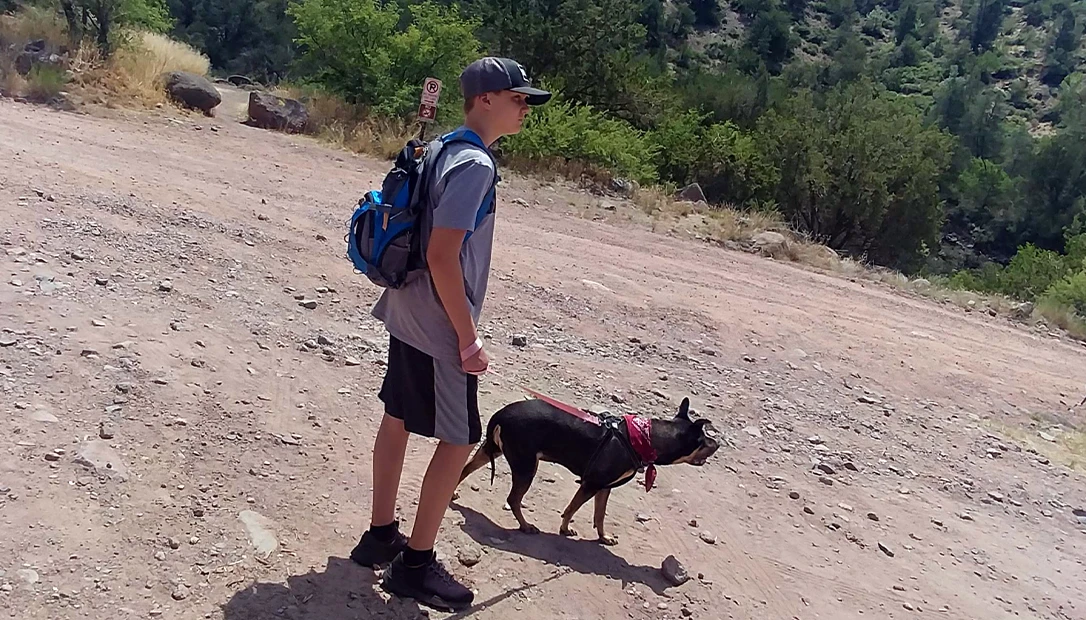
Dog Safety Done Right!
When we introduce firearms into that dynamic for self-defense, your responsibility doubles. You aren’t just protecting yourself anymore; you’re responsible for the safety, well-being, and tactical positioning of a living being who trusts you implicitly.
Advertisement — Continue Reading Below
True defense starts long before the threat even appears. It begins with the bond you share with your best friend. In a high-stress encounter, a dog that isn’t trained for the noise and chaos of a defensive situation can quickly become a liability or worse, the victim of the crossfire.
Integrating a canine into a personal safety plan requires specific desensitization to high-stress environments. Sudden loud noises or chaotic movements can cause panic, leading your buddy to bolt into traffic or towards a potential kind of accident none of us really want to talk about. Professional trainers often recommend gradual exposure programs in which the animal is introduced to various environmental stressors in a controlled setting, ensuring they remain calm and obedient when it matters most.
Building the Bond
The relationship with your best friend is built on mutual trust and a shared understanding that you are the one with the beef jerky and other assorted snacks. This trust is tested every time you leave the driveway. Every camping trip or trail hike is an opportunity to strengthen that bond through consistent leadership on your part and the occasional belly rub … for the dog, not you.
Advertisement — Continue Reading Below
Your dog’s safety relies on you to interpret the world at a conscious level, as he does at an instinctual one. Whether the threat is a wild animal or a sudden thunderstorm, your ability to remain calm keeps the whole team safe. After all, if you panic, your best friend may just assume it’s time to play, and what good will that do anyone? So keep it together, man.
Integrating Firearms
When you introduce firearms into your outdoor routine, you aren’t just carrying a tool; you’re managing a tactical equation where your dog is the most unpredictable variable. If a threat escalates to the point where a firearm becomes necessary, your primary responsibility is ensuring your best friend doesn’t end up in the crosshairs.
Advertisement — Continue Reading Below
This means you’d better be ready with discipline that accounts for a 360-degree environment, meaning you need to be comfortable with “high ready” or “low ready” positions to avoid accidentally sweeping your dog as they weave between your legs in a panic. A dog that hasn’t been specifically trained for gunfire can easily break a “stay” command and bolt directly toward the source of the noise, making a bad situation catastrophic.
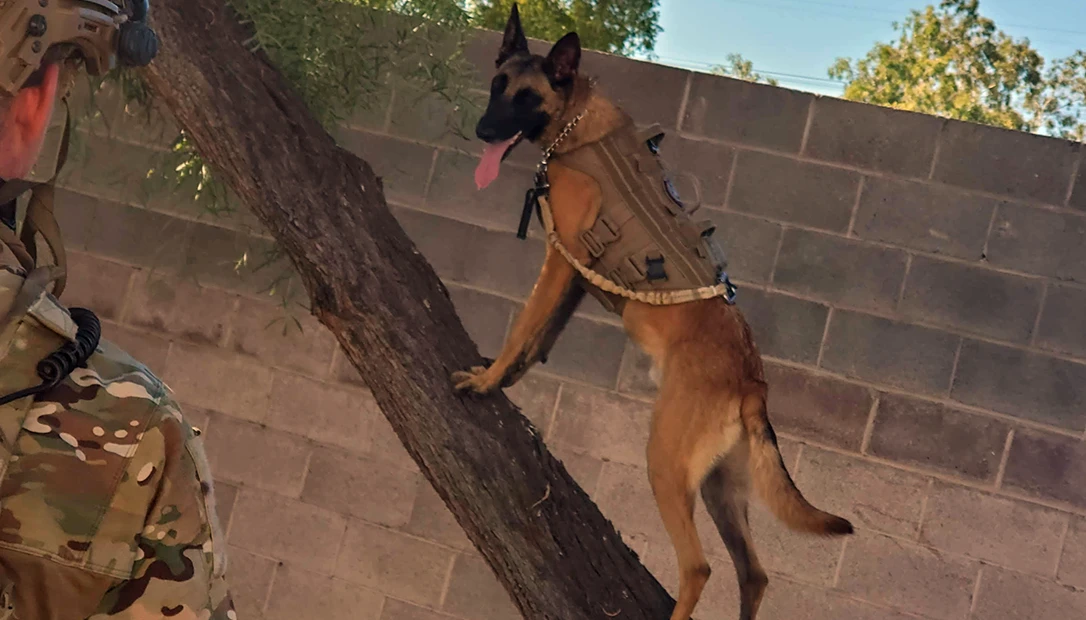
Dog Safety is Paramount
Ultimately, the decision to integrate a firearm into a defensive plan involving an animal carries profound legal and ethical weight. This is why the K9 unit training in law enforcement is a highly specialized extension that centers on building a seamless partnership between a human officer and a canine. Becoming a handler is often considered a promotion or career advancement, and officers typically must have several years of on-the-street experience before they can even apply.
Advertisement — Continue Reading Below
Having your doggo by your side in such situations requires a commitment to ongoing education on local laws and the principles of responsible ownership. By prioritizing the safety of the animal and those in the surrounding environment, a handler can create a more secure atmosphere. Focusing on clear communication and situational awareness ensures that the bond between the individual and their animal remains a source of security and companionship during any outdoor excursion.
Managing the Connection
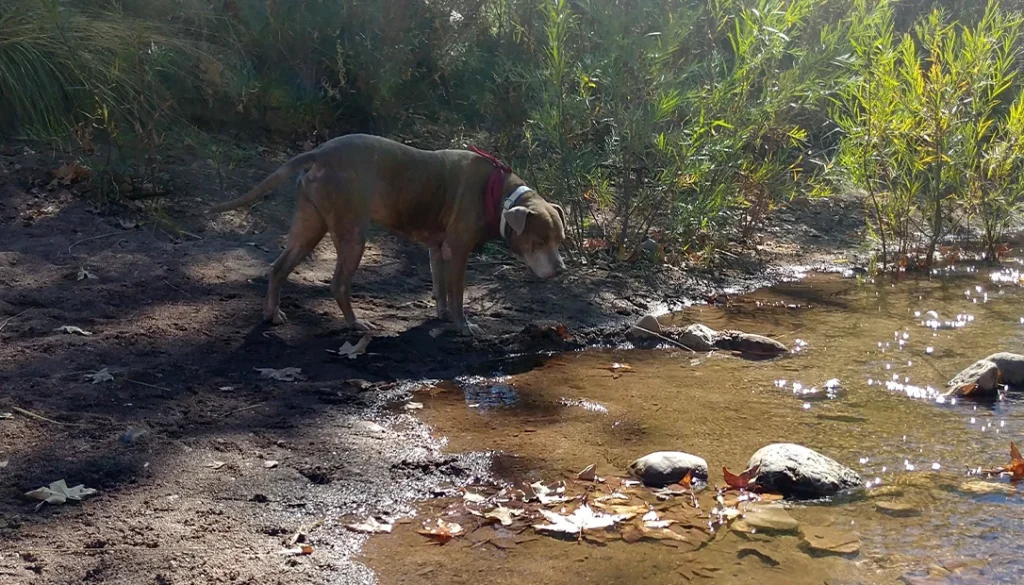
One of the most practical and potentially slapstick challenges of being a “dog person” is the physical management of your best friend while trying to look like a competent human. If you’ve ever tried to maintain situational awareness while your dog decided a squirrel was an existential threat, you may know the struggle. Safety experts suggest positioning your best friend on your non-dominant side. Why? Because trying to draw a tool while 70 pubs of pure excitement are wrapped around your knees is a recipe for a hilarious reel on Instagram, not a defense strategy.
Advertisement — Continue Reading Below
The goal is a “weak-hand” lead. You want your dominant hand free for flashlights or pepper spray, not occupied in a tug-of-war over last night’s taco wrapper. Ideally, you want hands-free communication, so training your best friend to respond to verbal cues like “heel” or “behind” is essential. Otherwise, “protecting your Co-pilot” usually looks like you performing an accidental high-speed dance across the trailhead.
Training for Resilience (and Not Bolting)
Defense is a perishable skill, much like the “stay” command when a bag of treats is opened. It is vital to practice movement in any environment, especially the distracting ones with too many variables, such as outside in nature. An animal that breaks ranks because they saw a butterfly is a liability. Working on obedience in public spaces builds the focus needed for a real crisis.
Specialized training ensures that you and your best friend move as a unit. You want to reach a point where your dog is so dialed in that they don’t even blink at loud noises. This level of coordination turns a chaotic stroll into a professional patrol, even if your “patrol partner” occasionally stops to lick their own elbow.
Advertisement — Continue Reading Below
Layers of Protection
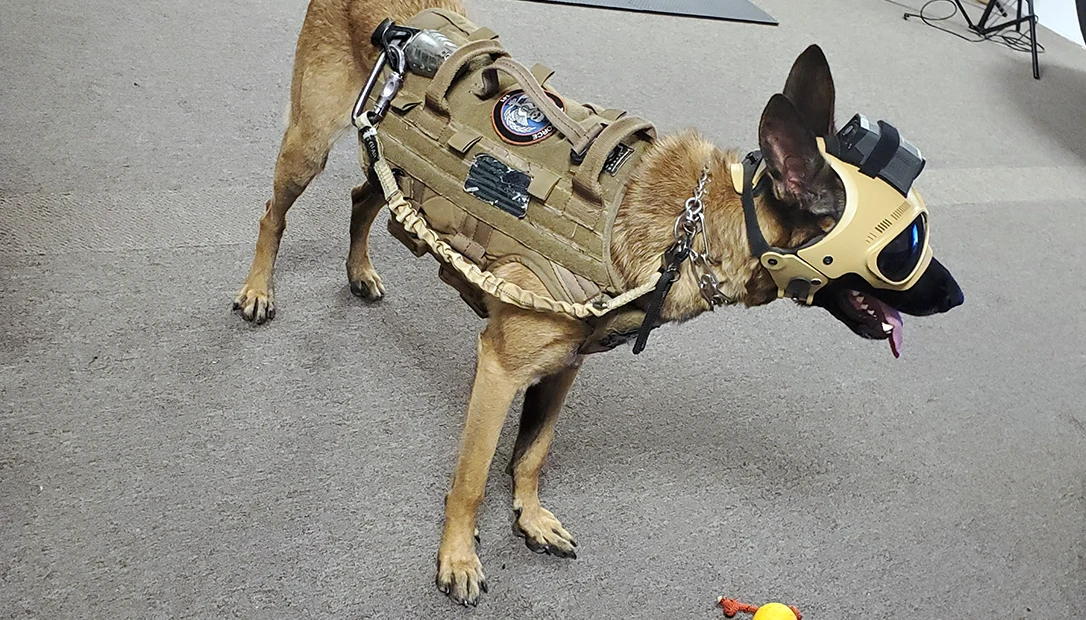
When you’re out on the trail, your first instinct is protection, well, maybe fun, but then protection, but your dog has a different priority: sniffing EVERYTHING literally. However, that nose is actually your greatest tactical advantage. A sensitive dog will sense a threat like a territorial coyote or another hiker long before you do.
Situational Awareness: A sensitive animal will often sense a threat, such as an aggressive off-leash animal or a person lurking in the shadows, long before a human does. Paying attention to their ears and body language is the first line of defense for a dog.
Less-Lethal Options: Carrying a high-quality pepper spray or a high-lumen strobe flashlight is often the best first response for animal-on-animal aggression. These tools can disrupt a confrontation without the permanent ramifications of more extreme measures.
Physical Barriers: Sometimes, simply putting distance or a physical object between the pair and the source of tension is the most effective tactic.
Gear for the Tactical Minded
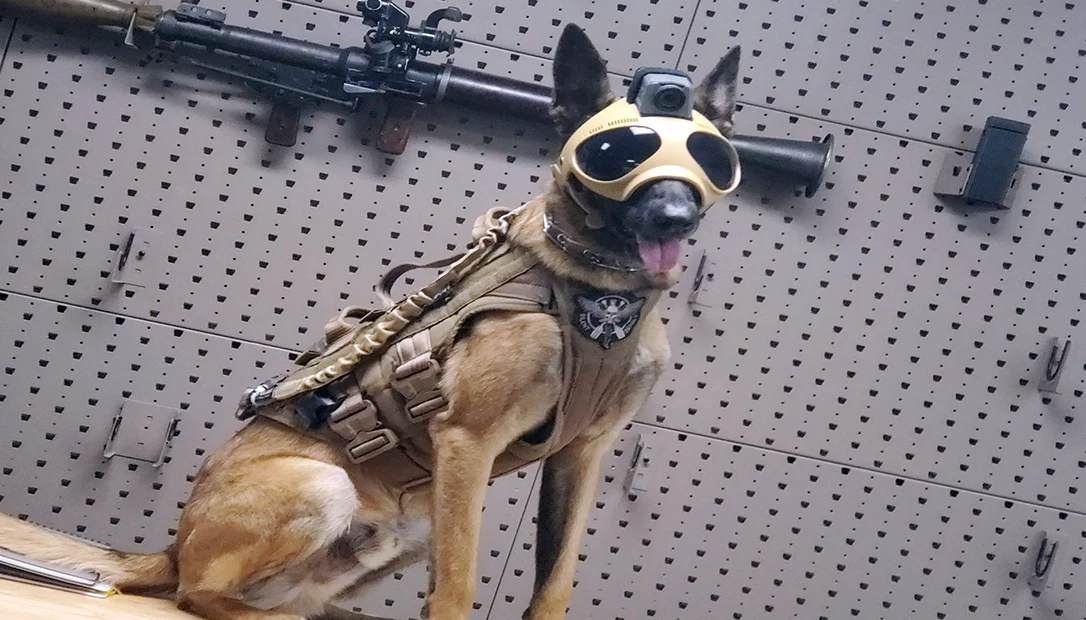
Now your gear setup should reflect a life spent outdoors, which usually means being covered in a fine layer of dog fur and mud. For those overlanding, a reinforced belt system is a lifesaver, literally. It supports utility pouches and prevents your best friend from launching like an Elon rocket into the stratosphere when they see a particularly interesting bird or small rodent.
For your rough-and-tumble trail dog, let’s skip the flimsy rhinestones and go for a harness with integrated handles. This will allow you to “suitcase” carry your best friend out of harm’s way if necessary, or perhaps just out of a mudpuddle they’ve mistaken for a good idea to roll around in. A solid gear set up ensures that your best friend isn’t just a passenger, but a well-equipped partner who looks significantly cooler than you ever will in your rooftop, off the beaten path, top of the mountain photos than you ever will.
Final Thoughts on Dog Safety
Ensuring the safety of a dog is a massive commitment, they’re not Christmas presents or birthday gifts, they are a lifelong (their life) commitment. But it will be one of the most rewarding commitments you’ll ever make. By combining the right gear with witty resilience and a sharp eye, you can enjoy the wilderness with total peace of mind. And knowing when a tail wag means “I’m about to do something stupid!” or “I’m about to show you how badass I am!” can be the best defense of all.
Every adventure can teach us new lessons, mostly about how much gear one animal actually needs. Yes, I am referring to you and your dog. In every scenario, the presence of a dog enhances the experience not only by providing much-needed companionship but also a very furry shoulder to lean on. So make sure that you always view your best friend as a partner in every sense of the word. A dog that feels secure can be a composed partner.
The journey is always better and sometimes stinkier when you share it with your best friend on four legs. Keep training, keep exploring, and keep your best friend close.