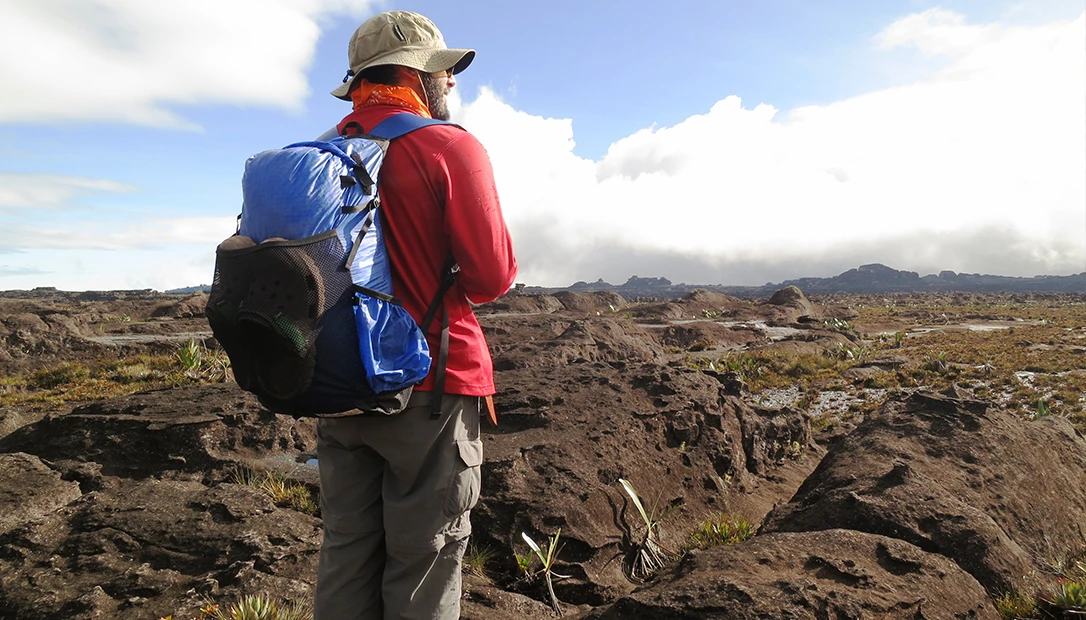
Ultralight doesn’t mean ultra‑expensive. Skip the hype and use your head. After three decades of trial and error, my base weight hovers near 4.5 pounds. These tricks will get you close without torching your wallet.
Why Ultralight is the Right Answer
Campfire talk reveals a lot about people’s kits. Sit long enough, and you’ll see everything from overbuilt loadouts to packs that look like they belong on a day hike. But the real lessons hit after a few miles—or after you claw your way through brush to reach that hidden fishing hole. That’s when every unnecessary item starts to feel like a personal mistake strapped to your spine.
Maybe it’s a cranky back or a knee that complains louder each year. For others, age sneaks in and reminds us we’re no longer twenty. Whatever the reason, carrying less weight means more comfort, more control, and more miles before fatigue sets in. If you’re chasing bigger days or simply want to enjoy the trail without feeling punished, trimming your kit pays off fast.
Advertisement — Continue Reading Below
Going Sub‑5
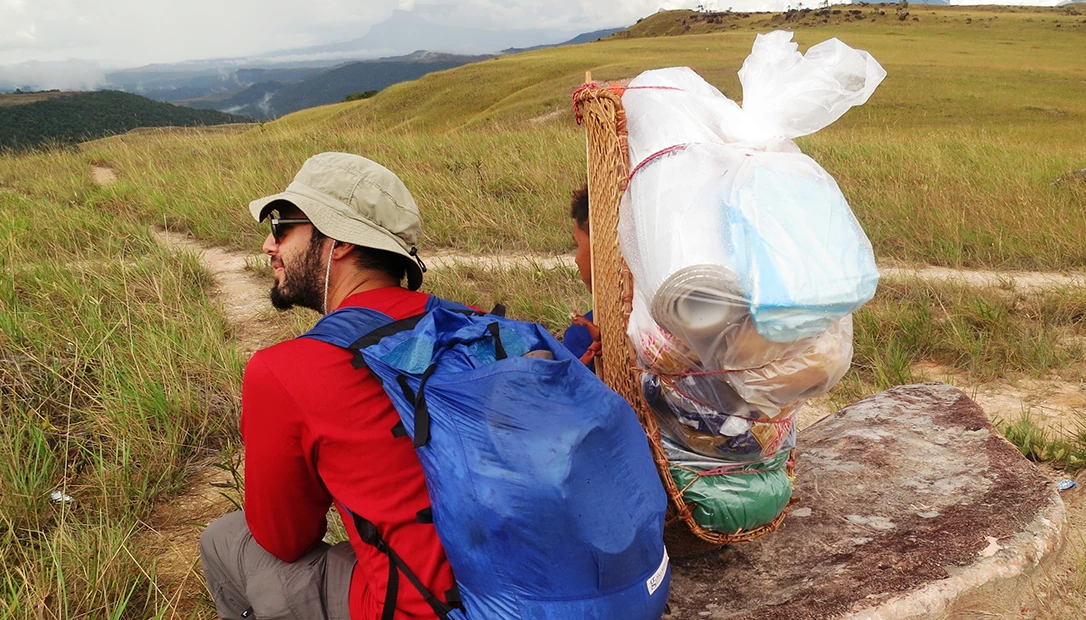
I’ve spent decades hauling a pack through the Mojave, the Southeast woods, the San Bernardinos, and deep into the Sierra. You see every type of hiker out there—some buried under gear, some stripped down to the essentials, and a few chasing ounces like their lives depend on it.
Base weight covers everything riding in or on your pack, minus food, water, fuel, and whatever you’re wearing. Under twenty pounds counts as lightweight. Under ten hits ultralight. Drop below five and you enter the super‑ultralight crowd. That’s where I landed after enough miles, mistakes, and stubborn tinkering.
Advertisement — Continue Reading Below
Two Grand Canyon trips and a pair of Mt. Whitney summits in 2007 forced me to refine my kit. I built and modified most of it myself, chasing the lightest workable setup I could trust in real terrain.
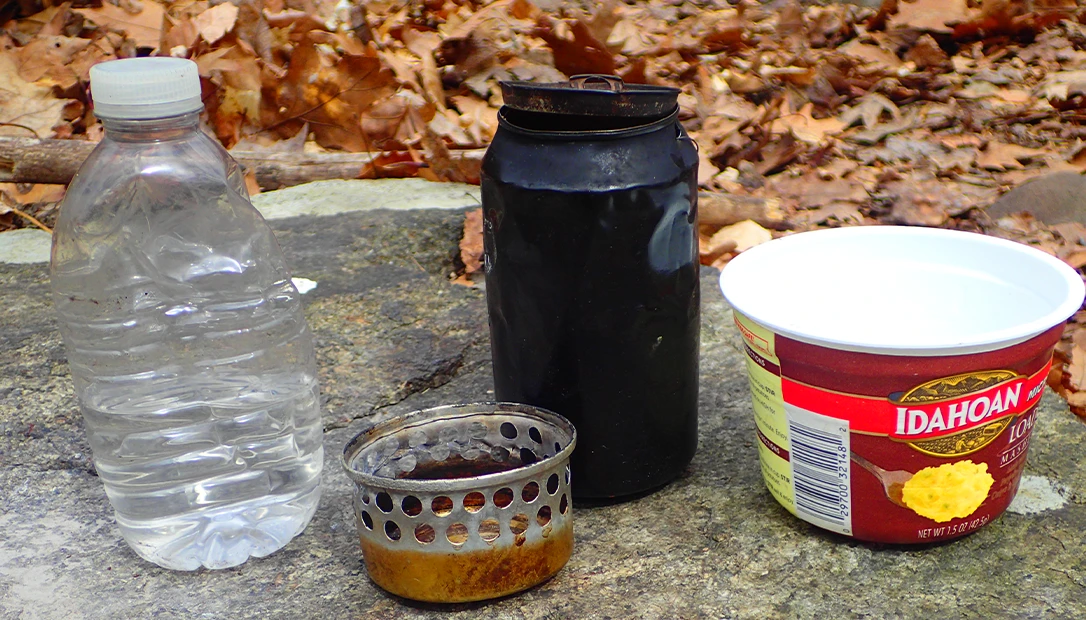
My loadout stays simple: a spinnaker‑cloth pack, a homemade quilt, a bivy, a 5×7 Xenon Sil tarp, a AAA light, and a torso‑length pad. I rely on plastic bags instead of stuff sacks, iodine tabs, one‑ounce fleece gloves and a beanie, a Platypus bladder, a micro‑fleece pullover, a soda‑can kettle, a Supercat stove, and a Gorilla‑Tape first‑aid kit. It’s lean, it’s ugly, and it keeps me comfortable.
Not everyone wants to cut this deep, and that’s fine. There are plenty of ways to lighten up without going full monk‑mode.
Advertisement — Continue Reading Below
Big Four Heavies
Walking into a sporting goods store can feel like stepping into a maze. Shelves stacked to the ceiling, endless choices, and no clear path unless you already speak the language. The truth hits fast: the heaviest items are the ones you can’t skip. Your shelter, your pack, your sleep system, and your water setup make up the “big four,” and they decide whether your load feels manageable or miserable.
Shelters usually take the crown for high weight. A tent gives people a sense of security, so most hikers cling to them even despite lighter options. MSR pushed the limits with its Carbon Reflex line. The Carbon Reflex 1—a double‑wall solo tent—comes in at 1 pound 9 ounces. The two‑person version breaks the three‑pound barrier entirely, coming in at an even 2 pounds. That’s impressive for a true tent, not a glorified tarp.
Advertisement — Continue Reading Below
Super‑Ultralight Alternative
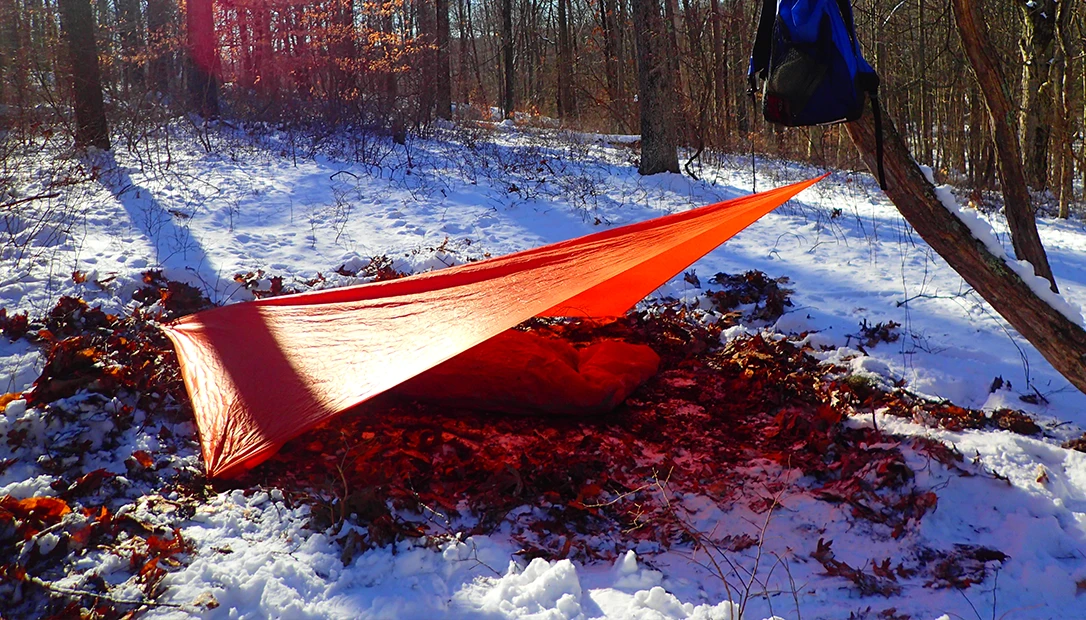
If you want to cut deeper, ditch the tent. Silnylon poncho tarps cover your pack, keep you dry, and serve as your shelter at night. Pitch it with trekking poles, sticks, or whatever the terrain gives you. My go‑to is a Xenon tarp from Coalcracker Bushcraft. It weighs 5.7 ounces and still handles real weather. Hard to beat that kind of efficiency.
Packs That Pull Their Weight
Backpack options shift so fast that even die‑hard gear junkies struggle to keep up. Walk into any shop, and you’ll face a wall of packs claiming to be lighter, tougher, or smarter than the next. Granite Gear’s Virga stands out because it actually delivers. It carries 20 pounds without complaint, weighs 1 pound 3 ounces, and provides 3,200 cubic inches of space. You can treat it roughly, and it still holds up. It even includes a sternum strap and hip belt—features usually found on much heavier rigs.
Super‑Ultralight Swap
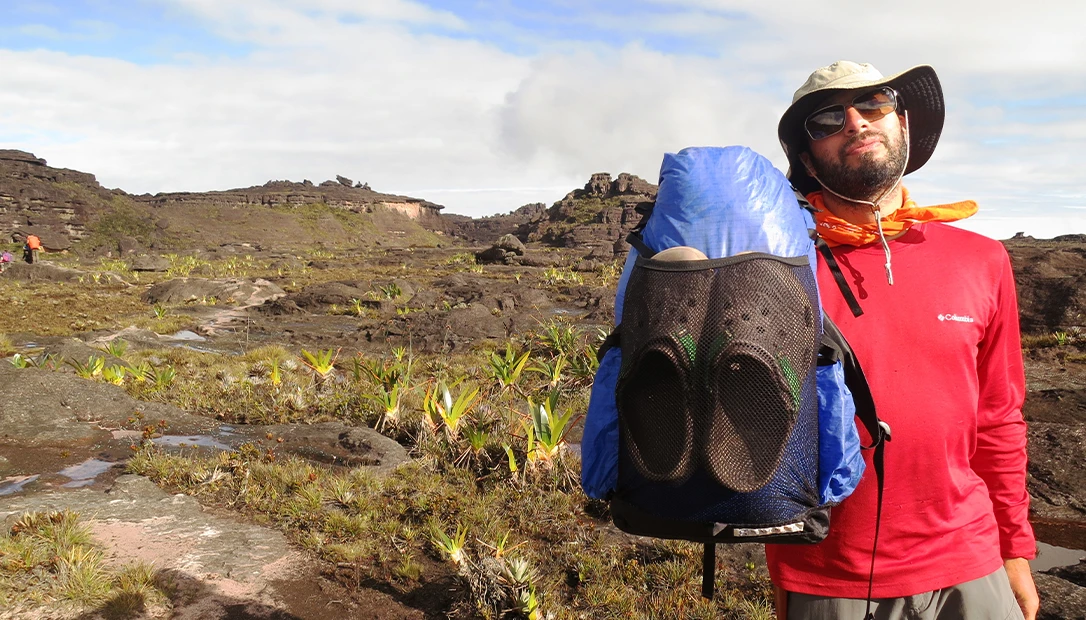
If you want to cut deeper, look at Gossamer Gear. The Murmur 36 Hyperlight weighs 7.9 ounces, and the Minimalist 19 weighs 11 ounces. I run the Murmur built from Spinnaker cloth. I stripped every extra strap, pocket, and mesh panel until it hit 5 ounces flat. It pairs perfectly with a base weight under four pounds and still handles real miles.
Advertisement — Continue Reading Below
Sleep Systems
Your sleeping gear changes with the season, and the weight swings with it. There isn’t enough room here to list every brand on the market, so I’ll stick to the ones that earned their keep in real terrain. The big debate always starts with down versus synthetic. Down wins for warmth‑to‑weight and comfort. Modern synthetics nearly match it, but they keep one huge advantage: they still insulate when wet. Down turns into a cold, soggy lump the moment it gets soaked. Synthetic fill keeps you alive long enough to dry out.
Western Mountaineering’s Summerlite carries a 32‑degree rating at 1 pound 3 ounces. Marmot’s Hydrogen hits 30 degrees and weighs a single pound. Both punch above their weight and pack small.
Advertisement — Continue Reading Below
Sleeping pads matter just as much. Therm-a-Rest offers a full‑length inflatable at 16 ounces and a torso‑length version at 8 ounces. For many hikers, that comfort is non‑negotiable, and at those weights, it’s hard to argue.
Super‑Ultralight Swap
Closed‑cell foam pads take abuse better than inflatables. They cost less, pack tighter, and a torso‑length piece can weigh as little as 3.4 ounces. If you want to cut even deeper, switch to a backpacker’s quilt. A 40‑degree quilt usually lands between 10 and 16 ounces and frees you from the weight of a full bag.
If you run a lighter summer bag, skip the full zip. Close the bottom 16 inches to make a foot pocket, then turn the bag sideways and use it like a blanket. Add a beanie and a light fleece top to stretch the temperature rating. It’s the purest form of multi‑use thinking—simple, light, and surprisingly warm.
Water: The One Thing You Can’t Fake
The water‑filter debate never dies. Some hikers swear by tablets. Others won’t touch anything but a pump or squeeze filter. Water always outranks food in the backcountry, so whatever method you choose needs to work every time.
Tablets—iodine, chlorine, or bleach drops—win the weight contest. Nothing packs lighter. But plenty of people hate the taste, and the wait time can stretch to thirty minutes before you can drink. That’s a long pause when you’re thirsty and moving hard.
For a fast, reliable option, MSR’s HyperFlow microfilter earns its reputation. It pushes out 3 quarts per minute, blocks Cryptosporidium and Giardia, packs small, and weighs only 8 ounces. Hard to argue with that kind of speed and protection.
Super‑Ultralight Swap
If you want to go lighter, stick with tablets, bleach drops, or boiling. They’re cheap, tiny, and dependable if you understand their limits. Boiling remains the gold standard when you have the fuel and time. I haven’t used a water filter since an Amazon Jungle trip in 2011. Four pumps and the filter were done. So was I with carrying a useless boat anchor!
Drop the Weight, Dominate the Trail
Take less, move faster, and quit hauling junk you don’t need. Strip your kit, sharpen your skills, and own the miles ahead!